


Unlocking the Power of Categorization: Organize Your Content Like Never Before
The Importance of Content Organization – Best Practices

Benefits of Categorization
Categorizing your content allows you to easily organize and structure your information in a logical way. It helps users navigate your website more efficiently, leading to a better User Experience. Website Navigation is a foundational topic here. SEO is equally relevant.
By categorizing your content, you can also improve your website’s SEO as search engines can better understand the relevance and structure of your content.
Additionally, categorization can help you identify gaps in your content Strategy and ensure that you are covering all relevant topics for your audience.
Organizing your content into categories can also help you repurpose and recycle existing content more effectively.
Overall, categorization is essential for creating a well-organized, user-friendly, and SEO-optimized content strategy.
Best Practices for Content Categorization
Start by conducting a content audit to identify all existing content on your website and determine how it can be categorized.
Consider your target audience and how they would search for information on your website. This can help you create categories that are intuitive and user-friendly.
Use descriptive and keyword-rich category names to help users understand the content within each category at a glance.
Avoid creating too many categories as this can overwhelm users. Aim for a balance between specificity and simplicity.
Regularly review and update your categories to ensure that they remain relevant and aligned with your content strategy.
Tools for Content Categorization
There are several tools available that can help you organize and categorize your content more effectively. Some popular options include:
- User Experience
- Content management systems like WordPress, Drupal, or Joomla
- SEO tools like SEMrush or Ahrefs
- Project management tools like Trello or Asana
- Mind-mapping tools like MindMeister or XMind
- Collaboration tools like Google Drive or Dropbox
Experiment with different tools to find the ones that work best for your specific content organization needs.
Real-Life Examples of Effective Content Categorization
One great example of effective content categorization is the blog of a human resources consulting firm. They have categories such as “Recruitment,” “Employee Training,” “Performance Management,” and “HR Trends,” making it easy for visitors to find the information they need.
Another example is a lifestyle blog that categorizes content by topics like “Travel,” “Food,” “Fashion,” and “Wellness.” This allows readers to navigate the blog based on their interests.
By studying successful examples like these, you can get inspiration for how to organize your own content effectively.
Remember that effective content categorization is key to engaging your audience and keeping them coming back for more.
Challenges of Content Categorization
One common challenge of content categorization is deciding on the best way to group and label your content. It can be difficult to find the right balance between too many categories and too few.
Another challenge is maintaining consistency across categories, especially as your content library grows. It’s important to regularly review and update your categories to ensure they remain relevant.
Additionally, ensuring that your categories are intuitive and user-friendly can be a challenge, as what makes sense to you may not be immediately clear to your audience.
Despite these challenges, the benefits of effective content categorization far outweigh the difficulties, making it a crucial aspect of your content strategy.
By overcoming these challenges, you can unlock the power of categorization and take your content organization to the next level.
Implementing Content Categorization Strategy
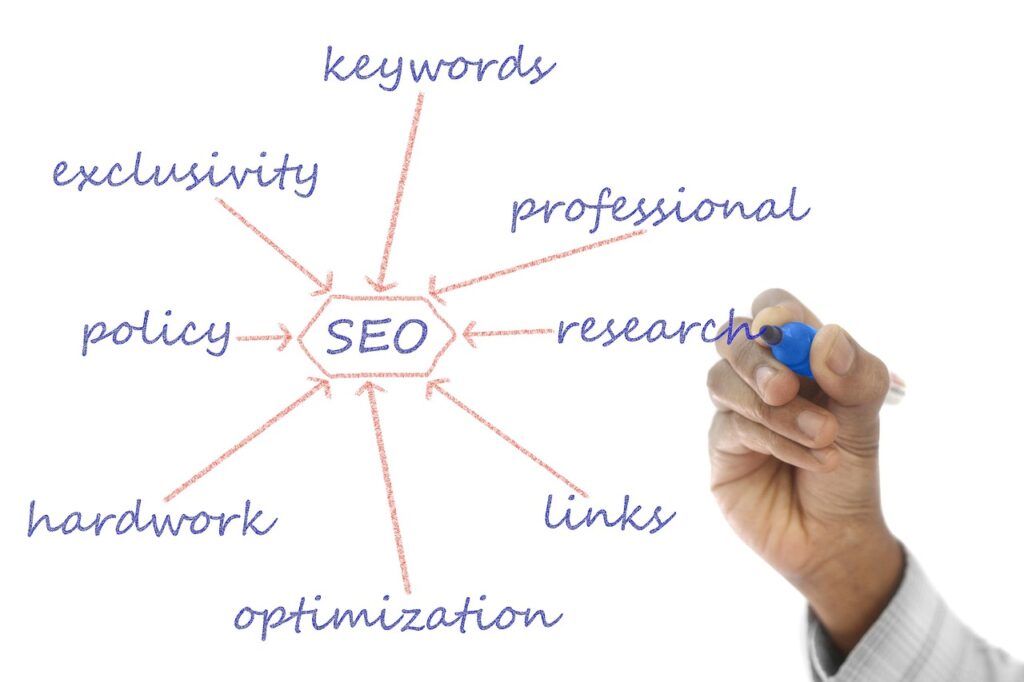
Creating a Content Taxonomy
A content taxonomy is a hierarchical classification system that organizes your content into categories, subcategories, and tags. It provides a structured framework for organizing and managing your content effectively.
Start by defining your top-level categories based on your content themes and topics. Then, create subcategories within each top-level category to further refine your content organization.
Consider using tags to provide additional context and metadata for your content, making it easier to search and categorize.
By creating a content taxonomy, you can establish a clear structure for your content that improves navigation, searchability, and overall user experience.
Regularly review and update your content taxonomy to ensure it remains aligned with your content strategy and evolving audience needs.
Optimizing Content for Search Engines
When categorizing your content, be mindful of SEO best practices to ensure that search engines can easily crawl and index your content.
Use keyword-rich category names and descriptions to help search engines understand the relevance of your content to specific topics.
Optimize your URLs, meta tags, and headings to include relevant keywords that align with your content categories.
Ensure that your content is organized logically and intuitively for both users and search engines, making it easier to navigate and rank in search results.
By optimizing your content for search engines, you can improve your website’s visibility and attract more organic traffic to your site.
Measuring the Impact of Content Categorization
Track key performance indicators (KPIs) related to your content categorization strategy to measure its impact on your website traffic, engagement, and conversions.
Monitor metrics like page views, bounce rate, time on page, and conversion rate for each category to identify high-performing content areas and areas for improvement.
Use tools like Google Analytics or content management system analytics to gain insights into how users interact with your categorized content.
Regularly analyze and optimize your content categorization strategy based on data-driven insights to continuously improve your content organization and user experience.
By measuring the impact of your content categorization efforts, you can make informed decisions to enhance your content strategy and achieve your business goals.
Engaging Your Audience with Personalized Content
Use your content categories to deliver personalized content experiences to your audience based on their interests, preferences, and behavior.
Implement features like recommended articles, related posts, or personalized newsletters to promote content within specific categories to targeted segments of your audience.
Leverage user data and analytics to understand how users interact with your categorized content and tailor your content recommendations accordingly.
Engage with your audience through interactive content like quizzes, polls, or surveys related to specific categories to encourage participation and feedback.
By engaging your audience with personalized content experiences, you can increase user engagement, loyalty, and ultimately drive business growth.
Case Study: How Company X Improved Content Engagement with Categorization
Company X, a software development firm, implemented a content categorization strategy to organize their blog posts into categories like “Web Development,” “Mobile Apps,” “Tech Trends,” and “Industry Insights.”
By categorizing their content, Company X saw a 20% increase in page views, a 15% decrease in bounce rate, and a 25% increase in time on page within the first month of implementation.
Users were able to easily navigate the blog and find relevant information within their areas of interest, leading to improved engagement and retention.
Company X continued to refine their content categorization strategy based on user feedback and analytics, resulting in sustained growth in website traffic and conversions over time.
This case study highlights the importance of content categorization in improving content engagement and user experience, ultimately driving business success.
Conclusion
Effective content categorization is essential for organizing your content in a logical, user-friendly, and SEO-optimized way. By implementing best practices, using tools, and measuring the impact of your categorization strategy, you can unlock the power of categorization and take your content organization to the next level. Engage your audience with personalized content experiences, track key performance indicators, and continuously optimize your content taxonomy to improve your website traffic, engagement, and conversions. With the right approach, content categorization can help you create a well-structured, engaging, and successful content strategy.
FAQs
What is content categorization?
Content categorization is the process of organizing and classifying your content into distinct categories and subcategories based on themes, topics, or other criteria.
Why is content categorization important?
Content categorization is important for improving user experience, SEO, content organization, and content repurposing. It helps users navigate your website more efficiently and search engines understand the relevance of your content.
How can I create a content taxonomy?
To create a content taxonomy, start by defining your top-level categories, creating subcategories, and using tags for additional context. Regularly review and update your taxonomy to ensure it remains aligned with your content strategy.
What tools can I use for content categorization?
There are several tools available for content categorization, including content management systems, SEO tools, project management tools, mind-mapping tools, and collaboration tools. Experiment with different tools to find the ones that work best for your needs.
How can I measure the impact of content categorization?
Track key performance indicators related to your content categorization strategy, such as page views, bounce rate, time on page, and conversion rate. Use tools like Google Analytics to gain insights into how users interact with your categorized content and make data-driven decisions to optimize your strategy.
Repurposing Content Benefits Content Organization Categories Power of Categorization
Related Topics
Images sourced via Pexels.
Leave a Reply