


Autism is a complex neurodevelopmental disorder that affects individuals in a variety of ways. While some may view autism as a limitation, we believe in celebrating the diversity and richness that comes with being on the spectrum. In this article, we will delve into the world of autism and explore the unique strengths, talents, and perspectives that individuals with autism bring to the table. Communication is a foundational topic here. Spectrum is equally relevant.
From the incredible attention to detail and pattern recognition skills of some individuals with autism, to the unique ways in which they communicate and interact with the world around them, we aim to showcase the beauty and complexity of autistic diversity. By highlighting the strengths and talents of individuals on the spectrum, we hope to challenge stereotypes and promote a greater understanding and acceptance of autism in our society.
Join us on this journey as we delve into the fascinating world of autism and celebrate the diversity and richness that comes with being neurodivergent. Together, let’s embrace the spectrum and learn to appreciate the unique perspectives and talents that individuals with autism bring to our world.
Understanding the Benefits of Hiring Neurodiverse Talent – strengths

The Unique Skills and Abilities of Neurodiverse Individuals
Neurodiverse individuals bring a diverse set of skills and abilities to the workplace that can greatly benefit a company. For example, many autistic individuals possess exceptional attention to detail and focus, making them well-suited for tasks that require precision and accuracy. Their ability to think outside the box can also lead to innovative solutions to complex problems.
Additionally, neurodiverse individuals often have a strong passion for their work and can excel in areas where they are able to fully immerse themselves in a topic of interest. This deep level of focus and dedication can result in high-quality work that exceeds expectations.
Employers who recognize and harness the unique skills and abilities of neurodiverse individuals can create a more dynamic and innovative workforce. By embracing the strengths of each team member, companies can tap into a wealth of talent that can drive success and growth.
Overall, the diverse skill set of neurodiverse individuals can bring a fresh perspective to a team and foster a culture of creativity and collaboration that benefits both the individual and the company.
The Value of Neurodiverse Perspectives in Problem-Solving
One of the key benefits of hiring neurodiverse talent is the diverse perspectives they bring to problem-solving. Autistic individuals often have a unique way of looking at and approaching challenges, which can lead to innovative solutions that may not have been considered by neurotypical individuals.
For example, autistic individuals may excel at pattern recognition and have a keen eye for detail, allowing them to identify trends and connections that others may overlook. This ability to see the bigger picture can be invaluable in problem-solving situations where a holistic view is needed.
Neurodiverse individuals also tend to have a strong logical and analytical mindset, which can be beneficial in breaking down complex problems into manageable parts. Their ability to think critically and analytically can lead to effective and efficient solutions that drive business success.
By including neurodiverse perspectives in problem-solving processes, companies can benefit from a more comprehensive and innovative approach to addressing challenges and driving growth.
The Importance of Inclusive Hiring Practices in Fostering Diversity
Creating an inclusive work environment that values neurodiverse talent is essential in fostering diversity and driving innovation. By implementing inclusive hiring practices, companies can attract and retain a diverse pool of talent that brings a variety of perspectives and experiences to the table.
For example, companies can provide training and support for neurodiverse employees to ensure they have the resources they need to succeed in the workplace. This may include providing accommodations such as flexible work schedules, quiet workspaces, or sensory-friendly environments.
By creating a supportive and inclusive work environment, companies can empower neurodiverse individuals to thrive and contribute their unique skills and perspectives to the team. This not only benefits the individual employee but also enhances the overall productivity and creativity of the company.
Ultimately, fostering diversity through inclusive hiring practices can lead to a more innovative and successful business that values and celebrates the unique contributions of all individuals, regardless of their neurodiversity.
How to Create an Inclusive Workplace for Employees on the Autism Spectrum

Understanding Autism Spectrum Disorder
Autism Spectrum Disorder (ASD) is a neurodevelopmental disorder that affects how individuals communicate and interact with others. It is characterized by difficulties in social communication and interaction, as well as repetitive behaviors and restricted interests. It’s important for employers to understand that individuals on the autism spectrum have unique strengths and abilities that can greatly benefit the workplace.
For example, individuals with ASD often have excellent attention to detail and can excel in tasks that require precision and focus. They may also have a strong ability to think outside the box and come up with innovative solutions to problems. By understanding and valuing these strengths, employers can create a more inclusive and supportive work environment for employees on the autism spectrum.
It’s also important to recognize that individuals with ASD may have sensory sensitivities that can impact their experience in the workplace. For example, bright lights, loud noises, or strong smells may be overwhelming for some individuals with ASD. Employers can make accommodations such as providing noise-cancelling headphones, adjusting lighting, or creating quiet spaces for employees to take breaks when needed.
By taking the time to learn about the unique experiences and needs of individuals on the autism spectrum, employers can create a workplace that is welcoming and supportive for all employees.
Creating a Supportive Workplace Environment
One of the key ways to create an inclusive workplace for employees on the autism spectrum is to foster a culture of understanding and acceptance. This can be done through training and education for all employees on what autism is and how to support colleagues with ASD. By raising awareness and promoting empathy, employers can help to create a more inclusive and welcoming work environment for all employees.
Employers can also provide resources and support for employees on the autism spectrum, such as access to mentors or support groups. These resources can help individuals with ASD navigate the challenges they may face in the workplace and provide them with the tools they need to succeed. By offering these supports, employers can help to create a more inclusive and supportive workplace for employees on the autism spectrum.
It’s also important for employers to be flexible and accommodating when it comes to work schedules and tasks. Individuals on the autism spectrum may benefit from clear expectations and routines, so employers can work with employees to create a work environment that is structured and predictable. By being understanding and flexible, employers can help individuals with ASD thrive in the workplace.
Creating a supportive workplace environment for employees on the autism spectrum benefits not only those individuals but the entire organization as well. By embracing neurodiversity and creating a culture of acceptance, employers can foster creativity, innovation, and collaboration among all employees.
Promoting Inclusivity and Diversity
One way to promote inclusivity and diversity in the workplace is to actively recruit and hire individuals on the autism spectrum. By seeking out talent from diverse backgrounds, employers can tap into a rich pool of skills and perspectives that can benefit the organization as a whole. Companies such as SAP have implemented autism hiring programs with great success, showing that individuals on the autism spectrum can be valuable contributors to the workforce.
Employers can also create affinity groups or employee resource groups for individuals with ASD, where employees can connect with others who share similar experiences and challenges. These groups can provide a sense of community and support for employees on the autism spectrum, helping them to feel more included and valued within the organization.
Another way to promote inclusivity and diversity is to celebrate neurodiversity within the organization. This can be done through events, workshops, or training sessions that highlight the strengths and contributions of individuals on the autism spectrum. By promoting awareness and understanding of neurodiversity, employers can create a more inclusive and welcoming workplace for all employees.
By actively promoting inclusivity and diversity in the workplace, employers can create a culture that values and respects the unique abilities and perspectives of all employees, including those on the autism spectrum.
Debunking Myths and Stereotypes Surrounding Autism in the Workplace

Myth: Autistic individuals lack social skills
One common misconception about autism is that individuals on the spectrum lack social skills. While it is true that some autistic individuals may struggle with certain social cues or interactions, many are highly capable of forming meaningful relationships and excelling in team environments. For example, Temple Grandin, a renowned autistic professor and speaker, has demonstrated that individuals on the spectrum can thrive in social settings with the right support and understanding.
It’s important to recognize that social skills are not one-size-fits-all, and that neurodiversity should be celebrated in the workplace. By providing accommodations such as clear communication strategies and structured social interactions, employers can help autistic individuals showcase their unique strengths and abilities.
Furthermore, some autistic individuals may excel in specific areas of social interaction, such as deep listening or attention to detail. By valuing these skills and leveraging them in a team setting, employers can create a more inclusive and successful work environment for all employees.
Overall, the belief that autistic individuals lack social skills is a harmful stereotype that undermines the diverse talents and capabilities of individuals on the spectrum. By debunking this myth and promoting a culture of acceptance and understanding, workplaces can harness the full potential of their neurodiverse workforce.
Myth: Autistic individuals are not suited for leadership roles
Another myth surrounding autism in the workplace is that individuals on the spectrum are not suited for leadership roles. This misconception stems from the belief that leadership requires strong social skills and charisma, qualities that are often associated with neurotypical individuals.
However, research has shown that autistic individuals can be highly effective leaders, bringing unique perspectives and problem-solving skills to the table. For example, Chris Packham, a well-known naturalist and television presenter who is autistic, has demonstrated strong leadership qualities in his field, inspiring others with his passion and dedication.
Autistic individuals may excel in leadership roles due to their attention to detail, ability to think outside the box, and strong focus on task completion. By recognizing and valuing these strengths, employers can empower autistic individuals to take on leadership positions and contribute to the success of their teams.
It is essential to challenge the stereotype that leadership is limited to a specific set of traits, and to embrace the diversity of leadership styles that autistic individuals can bring to the workplace. By fostering an inclusive and supportive environment, organizations can benefit from the unique talents and perspectives of all employees.
Myth: Autistic individuals are not creative or innovative
One of the most damaging myths surrounding autism in the workplace is the belief that autistic individuals lack creativity and innovation. This misconception overlooks the many ways in which individuals on the spectrum can excel in creative fields and contribute valuable insights to their teams.
For example, autistic artist Stephen Wiltshire is known for his incredibly detailed drawings of cityscapes, showcasing a level of creativity and attention to detail that is truly remarkable. Similarly, autistic individuals in fields such as technology and engineering have made significant contributions to innovation through their unique problem-solving skills and unconventional thinking.
By embracing the creativity and innovation of autistic individuals, employers can foster a culture of diversity and inclusion that benefits everyone in the workplace. Providing opportunities for autistic employees to showcase their talents and contribute to creative projects can lead to new and exciting ideas that drive success and growth for the organization.
It’s important to recognize that creativity comes in many forms, and that neurodiversity can be a source of strength and innovation in the workplace. By challenging the myth that autistic individuals are not creative, organizations can tap into the full potential of their diverse workforce and create a more dynamic and inclusive work environment.
Navigating Accommodations and Support for Autistic Employees

Understanding Individual Needs
Each autistic individual has unique strengths, challenges, and preferences. When creating accommodations and providing support, it is crucial to understand the specific needs of the employee. This can be achieved through open communication, regular check-ins, and observing how they work best. For example, some autistic employees may thrive in a quiet, organized workspace, while others may benefit from flexible work hours to accommodate sensory sensitivities.
It is important to involve the employee in the accommodation process to ensure that their needs are being met effectively. By listening to their feedback and making adjustments as needed, employers can create an inclusive and supportive work environment for autistic employees. Additionally, providing training to managers and colleagues on autism awareness can help foster understanding and promote a culture of acceptance in the workplace.
Employers can also consider implementing assistive technologies and tools to support autistic employees in their daily tasks. For instance, noise-canceling headphones, visual schedules, and communication apps can help enhance productivity and reduce stress. By offering these resources and being flexible in accommodating individual needs, employers can create a more inclusive and accessible workplace for all employees.
Ultimately, the goal is to create a work environment where autistic employees feel valued, supported, and empowered to succeed. By recognizing and respecting their unique strengths and challenges, employers can help create a more diverse and inclusive workforce where all employees can thrive.
Building a Supportive Community
Creating a supportive community within the workplace is essential for promoting the well-being and success of autistic employees. This can be achieved through fostering a culture of respect, empathy, and collaboration among colleagues. Encouraging open dialogue and understanding can help break down barriers and create a more inclusive work environment for everyone.
One way to build a supportive community is by organizing autism awareness training sessions for all employees. These sessions can help raise awareness about autism, debunk myths and stereotypes, and promote understanding and acceptance. By educating colleagues about autism and providing them with the tools to support their autistic peers, employers can create a more inclusive and supportive workplace for all employees.
In addition to training sessions, employers can also establish support groups or employee resource groups for autistic employees. These groups can provide a space for autistic employees to connect with one another, share experiences, and offer support. By fostering a sense of community and belonging, employers can help create a more inclusive and supportive work environment for autistic employees.
Ultimately, building a supportive community within the workplace is essential for promoting diversity, inclusion, and belonging. By creating a culture of respect, empathy, and understanding, employers can help create a more inclusive and supportive work environment where all employees can thrive.
Promoting Neurodiversity and Inclusion
Promoting neurodiversity and inclusion in the workplace is essential for creating a more diverse and innovative workforce. Employers can achieve this by recognizing and valuing the unique strengths and perspectives that autistic employees bring to the table. By embracing neurodiversity, employers can foster creativity, problem-solving skills, and out-of-the-box thinking among their employees.
One way to promote neurodiversity and inclusion is by actively recruiting and hiring autistic employees. By seeking out and hiring neurodiverse talent, employers can bring new perspectives, skills, and ideas to the table. Additionally, by creating a work environment that is inclusive and supportive of neurodiverse employees, employers can help maximize the potential of their workforce and drive innovation.
Employers can also promote neurodiversity and inclusion by celebrating the strengths and accomplishments of their autistic employees. Recognizing and highlighting the unique contributions of neurodiverse employees can help break down stereotypes, promote understanding, and foster a culture of acceptance in the workplace.
Ultimately, by promoting neurodiversity and inclusion in the workplace, employers can create a more diverse, innovative, and inclusive workforce where all employees are valued, respected, and empowered to succeed.
The Value of Neurodiversity Training for HR Professionals
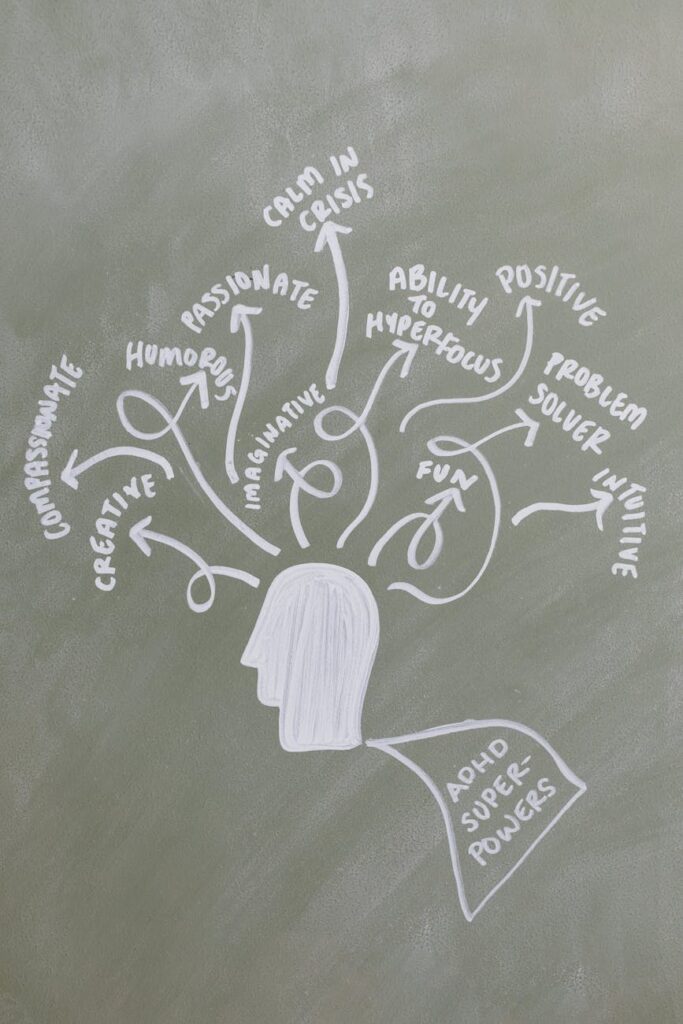
Increased Understanding and Empathy
Neurodiversity training for HR professionals can greatly enhance their understanding and empathy towards individuals on the autism spectrum. By learning about the unique strengths and challenges that autistic individuals may face in the workplace, HR professionals can better support them in their roles. For example, understanding how sensory sensitivities may impact an individual’s ability to concentrate or interact with others can lead to more accommodating work environments.
Furthermore, neurodiversity training can help HR professionals recognize and appreciate the diverse perspectives that autistic individuals bring to the table. By valuing these different ways of thinking, organizations can foster a culture of inclusion and innovation.
Overall, increased understanding and empathy resulting from neurodiversity training can lead to a more inclusive and supportive work environment for all employees.
Improved Recruitment and Retention
Neurodiversity training can also benefit HR professionals in the recruitment and retention of autistic talent. By understanding the unique skills and abilities that autistic individuals possess, HR professionals can better match them to roles where they can thrive. For example, individuals on the autism spectrum may excel in tasks that require attention to detail, pattern recognition, or logical reasoning.
Additionally, neurodiversity training can help HR professionals create more inclusive recruitment processes that allow autistic candidates to showcase their strengths. This can lead to a more diverse and talented workforce.
By recognizing and supporting the potential of autistic employees, organizations can improve their retention rates and create a more engaged and loyal workforce.
Legal Compliance and Ethical Considerations
Neurodiversity training is not only beneficial for HR professionals in terms of understanding and supporting autistic employees, but it also helps organizations stay compliant with legal requirements and ethical considerations. By being aware of the rights of individuals on the autism spectrum, HR professionals can ensure that their policies and practices are inclusive and respectful.
For example, neurodiversity training can educate HR professionals on the Americans with Disabilities Act (ADA) and how it applies to autistic individuals in the workplace. This knowledge can help organizations avoid discrimination and create reasonable accommodations for employees with autism.
By prioritizing neurodiversity training, HR professionals can uphold ethical standards and create a more just and equitable work environment for all employees.
Celebrating Success Stories: Autistic Employees Thriving in the Workplace

Embracing Neurodiversity in the Workplace
Neurodiversity in the workplace refers to the recognition and acceptance of different ways of thinking and processing information. By embracing neurodiversity, companies can tap into the unique strengths and talents that autistic individuals bring to the table. For example, many autistic employees excel in tasks that require attention to detail, pattern recognition, and logical reasoning.
Creating a supportive and inclusive work environment for autistic employees can lead to increased productivity, employee satisfaction, and innovation. Companies like Microsoft, SAP, and Google have implemented neurodiversity hiring programs to harness the potential of autistic individuals. These initiatives not only benefit the employees but also contribute to a more diverse and creative workforce.
Providing reasonable accommodations, such as flexible work hours, clear communication guidelines, and sensory-friendly workspaces, can help autistic employees thrive in their roles. By understanding and accommodating the unique needs of autistic individuals, companies can create a more inclusive and welcoming workplace for all employees.
By embracing neurodiversity in the workplace, companies can unlock the full potential of their workforce and create a culture of acceptance, respect, and collaboration. Autistic employees bring a fresh perspective and valuable insights that can drive innovation and success in the modern workplace.
Success Stories of Autistic Employees
One inspiring success story is that of Temple Grandin, a renowned autistic scientist and professor who revolutionized the livestock industry with her innovative designs for humane animal handling facilities. Despite facing challenges related to social communication and sensory sensitivities, Grandin’s unique perspective and problem-solving abilities have made her a leading figure in her field.
Another example is Haley Moss, a talented artist and attorney who became the first openly autistic lawyer in Florida. Moss advocates for neurodiversity in the legal profession and uses her platform to raise awareness about the strengths and capabilities of autistic individuals. Through her work, Moss has inspired countless people to embrace their differences and pursue their passions.
Companies like Ultra Testing, a quality assurance and software testing firm, have demonstrated the value of hiring autistic employees. By focusing on their strengths in pattern recognition, attention to detail, and consistency, Ultra Testing has built a successful business model that benefits both the company and its employees. Autistic individuals at Ultra Testing have found a supportive and inclusive work environment where their skills are valued and appreciated.
These success stories highlight the importance of creating opportunities for autistic individuals to showcase their talents and contribute to the workforce. By recognizing and celebrating the achievements of autistic employees, we can challenge stereotypes and promote a more inclusive and diverse society.
The Role of Employer Support and Advocacy
Employer support and advocacy play a crucial role in enabling autistic employees to thrive in the workplace. Companies that prioritize diversity and inclusion initiatives can create a culture that values the unique perspectives and contributions of all employees. By providing training on autism awareness and best practices for supporting neurodiverse employees, employers can foster a more inclusive and welcoming work environment.
Organizations like the Autistic Self Advocacy Network (ASAN) and the National Autistic Society offer resources and guidance for employers looking to create a neurodiverse-friendly workplace. By partnering with these advocacy groups and seeking input from autistic employees, companies can develop policies and practices that promote diversity, equity, and inclusion for all workers.
Employers can also benefit from mentorship programs and peer support networks that connect autistic employees with experienced professionals who can offer guidance and encouragement. By fostering a sense of belonging and community within the workplace, companies can empower autistic individuals to reach their full potential and thrive in their careers.
Ultimately, by championing neurodiversity in the workplace and providing the necessary support and accommodations, employers can create a more inclusive and equitable environment where all employees can succeed and contribute to the company’s success.
Promoting Diversity and Inclusion through Hiring Practices for Autistic Individuals

Understanding the Unique Skills and Perspectives of Autistic Individuals
Autistic individuals bring a unique set of skills and perspectives to the workplace that can greatly benefit organizations. Many autistic individuals possess exceptional attention to detail, strong analytical abilities, and a deep focus on tasks that can lead to increased productivity and innovation. By understanding and valuing these strengths, companies can create a more inclusive and diverse workforce.
One example of the value that autistic individuals can bring to the workplace is in the tech industry. Many autistic individuals have a natural affinity for technology and excel in roles that require precise problem-solving skills. Companies like Microsoft and SAP have recognized the potential of autistic employees and have implemented initiatives to hire and support neurodiverse talent.
It is important for organizations to move away from a one-size-fits-all approach to hiring and instead focus on recognizing and accommodating the unique strengths and needs of autistic individuals. By creating a supportive and inclusive work environment, companies can harness the full potential of their neurodiverse employees.
Embracing the unique skills and perspectives of autistic individuals not only benefits the individuals themselves but also contributes to a more innovative and successful organization as a whole. By promoting diversity and inclusion in hiring practices, companies can create a more dynamic and productive workforce.
Challenges and Solutions in Hiring Autistic Individuals
While there are many benefits to hiring autistic individuals, there are also challenges that companies may face in creating inclusive hiring practices. One common challenge is the lack of understanding and awareness about autism in the workplace, which can lead to misconceptions and stereotypes about autistic individuals.
To address these challenges, companies can provide training and education to employees about neurodiversity and autism. By increasing awareness and promoting understanding, organizations can create a more inclusive and supportive environment for autistic employees.
Another challenge in hiring autistic individuals is ensuring that the recruitment and interview process is accessible and accommodating. Many autistic individuals may struggle with traditional interview formats, so companies can consider alternative methods such as skills assessments or work samples to evaluate candidates.
By proactively addressing these challenges and implementing inclusive hiring practices, companies can create a more diverse and inclusive workforce that benefits both the organization and its employees.
Best Practices for Supporting Autistic Employees in the Workplace
Once autistic individuals are hired, it is important for companies to provide ongoing support and accommodations to ensure their success in the workplace. One best practice is to establish clear communication channels and feedback mechanisms to help autistic employees navigate their roles and responsibilities.
Companies can also provide training and resources to managers and colleagues on how to effectively support and collaborate with autistic employees. By fostering a culture of understanding and acceptance, organizations can create a more inclusive and supportive work environment for all employees.
Another best practice is to offer flexibility and accommodations based on the individual needs of autistic employees. This can include adjustments to work schedules, workspace design, or communication styles to create a more comfortable and productive work environment.
By implementing these best practices and prioritizing the well-being of autistic employees, companies can create a more inclusive and supportive workplace that values and celebrates neurodiversity.
Conclusion
Embracing the Spectrum: Exploring the Richness of Autistic Diversity has shed light on the varied experiences and perspectives within the autistic community. By recognizing and celebrating this diversity, we can create a more inclusive and supportive environment for individuals on the spectrum.
- talents
- Autism is not a one-size-fits-all condition – each individual has unique strengths, challenges, and needs.
- Understanding and embracing this diversity can lead to more effective support and interventions.
- By amplifying the voices of autistic individuals, we can learn from their experiences and foster a greater sense of acceptance and inclusion.
As we continue to explore and learn from the richness of autistic diversity, let’s strive to create a world where all individuals, regardless of their neurodiversity, are valued and respected for who they are.
Frequently Asked Questions

What is autism spectrum disorder (ASD)?
Autism spectrum disorder (ASD) is a developmental disorder that affects communication, behavior, and social interaction. It is a spectrum condition, meaning that individuals with ASD can have a wide range of abilities and challenges.
How common is autism?
According to the Centers for Disease Control and Prevention (CDC), approximately 1 in 54 children in the United States is diagnosed with autism spectrum disorder. Autism is more commonly diagnosed in boys than girls.
What are some common characteristics of autism?
Some common characteristics of autism include difficulties with social interaction, communication challenges, repetitive behaviors, and sensory sensitivities. However, it’s important to remember that every individual with autism is unique and may experience these characteristics differently.
How can I support someone with autism?
Supporting someone with autism involves understanding and accepting their unique strengths and challenges. Providing a supportive and inclusive environment, promoting clear communication, and advocating for their needs are important ways to support individuals with autism.
How can we celebrate the richness of autistic diversity?
We can celebrate the richness of autistic diversity by embracing neurodiversity, recognizing and valuing the unique perspectives and strengths of individuals with autism. By promoting acceptance, understanding, and inclusion, we can create a more inclusive society for individuals with autism.
Images sourced via Pexels.
Leave a Reply