


As technology continues to evolve at a rapid pace, the automotive industry is poised for a major transformation. From electric vehicles to autonomous driving, the road ahead is filled with exciting innovations and trends that are reshaping the way we think about transportation. In this article, we will explore the key developments driving change in the automotive sector and discuss how industry players can navigate this new landscape to stay ahead of the curve. AI is a foundational topic here. Connectivity is equally relevant.
With advancements in AI, connectivity, and sustainability, the automotive industry is undergoing a revolution that promises to revolutionize the way we drive, commute, and even live. From the rise of electric vehicles to the increasing focus on autonomous driving technology, the future of transportation is looking brighter and more innovative than ever before. By understanding and adapting to these trends, companies can position themselves for success in a rapidly changing market.
Join us as we delve into the exciting world of automotive innovation and explore the possibilities that lie ahead. Whether you’re a seasoned industry professional or simply curious about the future of transportation, this article will provide valuable insights into the trends shaping the automotive industry and how you can navigate them effectively. Buckle up and get ready to embark on a journey into the future of the automotive industry!
Recruiting the Next Generation of Talent in the Automotive Industry – innovations
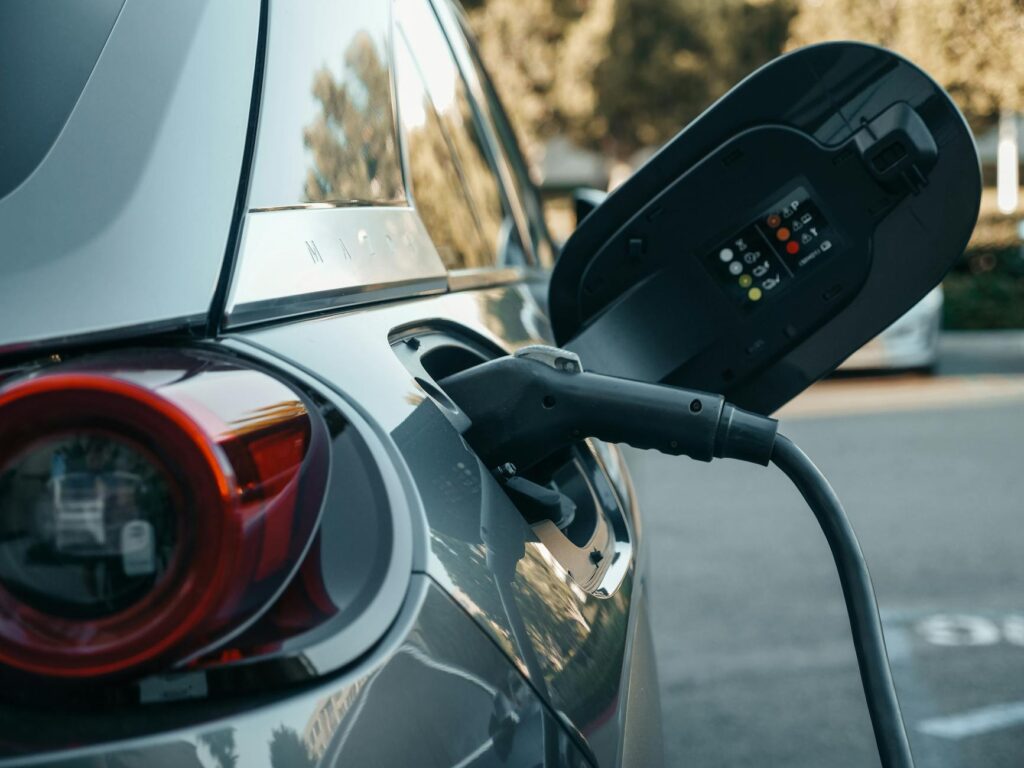
Challenges in Attracting Young Talent
In recent years, the automotive industry has faced challenges in attracting young talent due to its traditional image as a male-dominated sector. To combat this perception, companies are actively promoting diversity and inclusion initiatives to appeal to a wider pool of candidates.
Additionally, the rapid pace of technological advancements in the automotive industry has created a demand for new skills that young professionals may not possess. Companies are investing in training programs and partnerships with educational institutions to bridge this skills gap and attract top talent.
Competition from other industries, such as tech and finance, is also a major challenge in recruiting young talent. Automotive companies are offering competitive salaries, flexible work arrangements, and opportunities for career growth to attract and retain the best and brightest.
Furthermore, the lack of awareness among young people about the diverse career opportunities in the automotive industry is a barrier to recruitment. Companies are engaging with schools, colleges, and industry events to showcase the exciting and innovative work being done in the sector.
Strategies for Recruiting Young Talent
One effective strategy for recruiting young talent in the automotive industry is to offer internship and co-op programs. These programs provide students with hands-on experience and exposure to different areas of the industry, helping them make informed career decisions.
Another strategy is to leverage social media and online platforms to connect with young professionals. Companies can showcase their company culture, values, and career opportunities through engaging content and interactive experiences to attract top talent.
Mentorship programs are also valuable in recruiting and retaining young talent. Pairing young professionals with experienced mentors helps them navigate their career paths, develop new skills, and build a network within the industry.
Lastly, creating a positive employer brand is essential in attracting young talent. Companies that prioritize employee well-being, diversity, sustainability, and innovation are more likely to appeal to the next generation of automotive professionals.
Case Study: Tesla’s Approach to Recruiting Young Talent
Tesla, known for its innovative electric vehicles and sustainable energy solutions, has successfully attracted young talent through its cutting-edge technology and forward-thinking culture. The company offers competitive salaries, stock options, and opportunities for career advancement, making it an appealing employer for tech-savvy millennials.
Tesla’s internship programs provide students with hands-on experience in areas such as engineering, design, manufacturing, and business operations. The company also hosts recruitment events at universities and tech conferences to connect with young professionals and showcase its innovative work.
Furthermore, Tesla’s commitment to sustainability and environmental stewardship resonates with the values of many young people, making it a desirable place to work for those passionate about making a positive impact on the world.
Overall, Tesla’s approach to recruiting young talent highlights the importance of offering competitive compensation, hands-on experience, and a values-driven culture to attract the next generation of automotive professionals.
Implementing SEO Strategies for Automotive Job Postings

Understanding the Importance of SEO in Automotive Job Postings
Search engine optimization (SEO) is crucial for automotive job postings to ensure they reach the right audience and attract qualified candidates. By implementing SEO strategies, companies can improve the visibility of their job listings and increase the chances of finding the perfect candidate for the position.
For example, a car dealership looking to hire a sales manager can use SEO techniques to optimize their job posting with relevant keywords such as “automotive sales manager” or “car dealership sales position.” This will help the job listing appear higher in search engine results when candidates search for similar positions online.
By focusing on SEO, automotive companies can not only attract more candidates but also improve the overall quality of applicants by targeting individuals with the right skills and experience for the job.
In addition, SEO can help automotive job postings stand out from the competition by highlighting unique selling points and key responsibilities in a way that resonates with potential candidates.
Best Practices for Optimizing Automotive Job Postings
When optimizing automotive job postings for SEO, it’s essential to follow best practices to ensure maximum visibility and reach. Here are some key strategies to consider:
- technology
- Include relevant keywords in the job title and description
- Use clear and concise language to describe the job requirements and responsibilities
- Provide information about the company culture and perks to attract top talent
- Optimize the job posting for mobile devices to reach a wider audience
For instance, a mechanic job posting can use keywords like “automotive technician” or “certified mechanic” to target candidates with the right skills and qualifications. By including specific details about the job role and company, companies can increase the likelihood of finding the perfect match for the position.
By following these best practices, automotive companies can improve the effectiveness of their job postings and attract high-quality candidates who are a good fit for the role.
It’s also important to regularly monitor and update job postings to ensure they remain relevant and competitive in the ever-changing automotive industry.
Measuring Success and Adjusting SEO Strategies
Once automotive companies have implemented SEO strategies for their job postings, it’s crucial to measure the success of these efforts and make adjustments as needed. By tracking key metrics such as the number of views, applications, and hires, companies can gain valuable insights into the effectiveness of their SEO strategies.
For example, a car manufacturer looking to hire engineers can analyze the performance of their job postings by comparing the number of applications received before and after implementing SEO techniques. If there is a significant increase in qualified applicants, it indicates that the SEO strategies are working effectively.
Based on these insights, automotive companies can make data-driven decisions to refine their SEO strategies and improve the overall recruitment process. By continuously monitoring and adjusting SEO tactics, companies can stay ahead of the competition and attract top talent in the automotive industry.
Ultimately, by implementing SEO strategies for automotive job postings, companies can increase their visibility, attract qualified candidates, and drive success in the competitive automotive industry.
Adapting to Remote Work in the Automotive Sector: HR Best Practices

Embracing Remote Work Culture
As the automotive sector navigates the shift towards remote work, HR professionals must prioritize creating a supportive and inclusive remote work culture. This involves implementing policies that promote work-life balance, fostering open communication channels, and providing resources for mental health and well-being. Companies like Tesla have successfully embraced remote work by offering flexible work hours and virtual team-building activities to keep employees engaged and connected.
Additionally, HR teams should leverage technology to streamline remote work processes, such as using project management tools like Asana or Slack for communication and collaboration. By embracing remote work culture, automotive companies can attract and retain top talent, increase employee productivity, and adapt to the changing work landscape.
It is essential for HR to provide training and support for managers to effectively lead remote teams. This includes coaching on how to communicate effectively, set clear expectations, and provide feedback in a virtual setting. By equipping managers with the skills and tools they need to succeed in a remote work environment, companies can ensure that teams remain productive and engaged.
Ultimately, embracing remote work culture in the automotive sector requires a shift in mindset and a commitment to supporting employees in this new work environment. By prioritizing communication, flexibility, and well-being, companies can thrive in the era of remote work.
Implementing Remote Onboarding Processes
With the rise of remote work in the automotive sector, HR professionals must adapt their onboarding processes to effectively integrate new employees into virtual teams. This involves creating a comprehensive onboarding plan that includes virtual training sessions, welcome packets, and regular check-ins with managers and team members. Companies like Ford have successfully transitioned to remote onboarding by providing new hires with access to online resources, virtual tours of facilities, and virtual meet-and-greet sessions with team members.
HR teams should also leverage technology to streamline the onboarding process, such as using video conferencing platforms like Zoom or Microsoft Teams for virtual training sessions and meetings. By providing new employees with the tools and resources they need to succeed in a remote work environment, companies can ensure a smooth transition and increase employee engagement and retention.
It is important for HR to gather feedback from new hires about their onboarding experience and make adjustments as needed to improve the process. By continuously evaluating and refining remote onboarding processes, companies can create a positive experience for new employees and set them up for success in their roles.
Ultimately, implementing remote onboarding processes in the automotive sector requires a combination of technology, communication, and feedback to ensure that new employees feel welcomed, supported, and prepared to contribute to the team.
Promoting Employee Engagement and Well-being
As employees in the automotive sector continue to work remotely, HR professionals must prioritize promoting employee engagement and well-being to ensure a positive work experience. This involves creating opportunities for virtual team-building activities, recognizing and rewarding employee achievements, and providing resources for mental health and wellness. Companies like General Motors have successfully promoted employee engagement and well-being by offering virtual fitness classes, mindfulness sessions, and virtual happy hours to keep employees connected and motivated.
HR teams should also implement regular check-ins with employees to assess their well-being, address any concerns or challenges they may be facing, and provide support as needed. By prioritizing employee engagement and well-being, companies can create a positive work culture, increase employee satisfaction, and reduce turnover rates.
It is important for HR to communicate company values and goals to employees and involve them in decision-making processes to foster a sense of belonging and ownership. By involving employees in the company’s vision and mission, companies can create a sense of purpose and motivation that drives employee engagement and success.
Ultimately, promoting employee engagement and well-being in the automotive sector requires a proactive approach that prioritizes communication, recognition, and support to ensure that employees feel valued, connected, and motivated in a remote work environment.
The Impact of AI and Automation on HR in the Automotive Industry
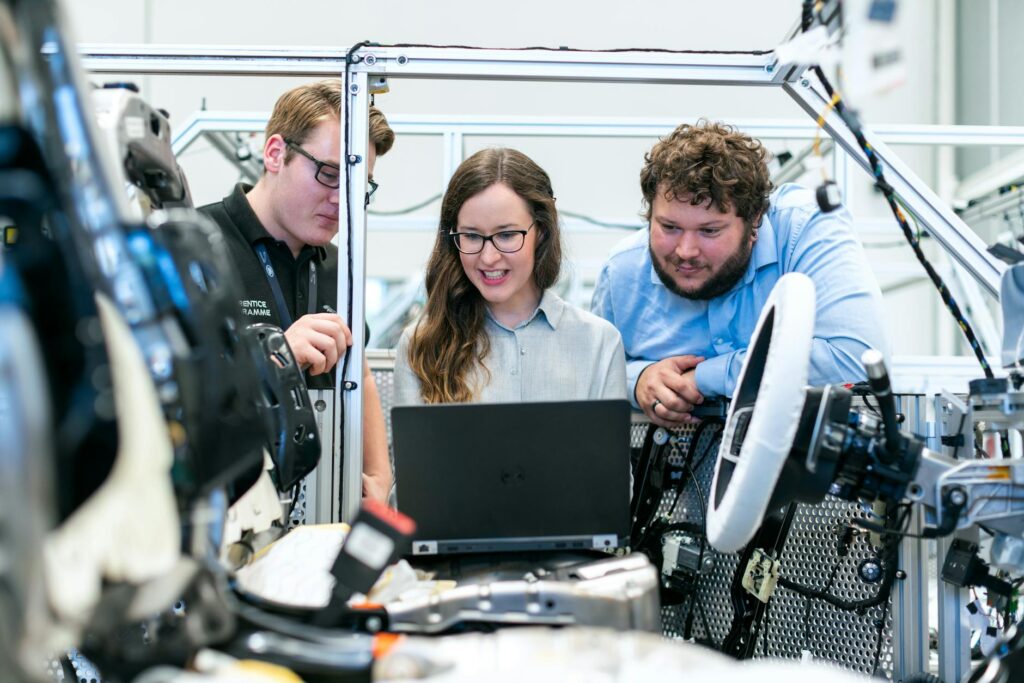
Increased Efficiency in Recruitment Process
AI and automation have revolutionized the way HR departments in the automotive industry approach the recruitment process. With the help of AI-powered recruitment platforms, HR professionals can now sift through thousands of resumes in a matter of minutes, saving valuable time and resources. These platforms use algorithms to identify top candidates based on specific criteria set by the hiring managers, streamlining the selection process.
Furthermore, automation tools can schedule interviews, send out rejection emails, and even conduct preliminary screenings, allowing HR teams to focus on more strategic tasks. This increased efficiency not only speeds up the hiring process but also ensures that the best candidates are selected for the job, ultimately leading to better retention rates and overall employee satisfaction.
For example, companies like Tesla and Ford have implemented AI-powered recruitment tools to enhance their hiring processes and attract top talent. By leveraging these technologies, they have been able to reduce time-to-fill rates and improve the quality of hires, giving them a competitive edge in the industry.
In conclusion, the use of AI and automation in recruitment has transformed HR practices in the automotive sector, making the process more efficient, cost-effective, and data-driven.
Training and Development Opportunities
One of the key benefits of AI and automation in HR is the ability to provide personalized training and development opportunities for employees in the automotive industry. With the help of AI-driven learning platforms, HR departments can identify skill gaps among employees and tailor training programs to address those specific needs.
These platforms use algorithms to analyze employee performance data, learning preferences, and career goals to recommend relevant training modules and resources. This personalized approach not only enhances employee engagement and motivation but also ensures that employees are equipped with the necessary skills to succeed in their roles.
For instance, companies like Toyota and BMW have implemented AI-driven learning platforms to provide ongoing training and development opportunities for their workforce. By leveraging these technologies, they have been able to upskill their employees, improve job performance, and boost overall productivity.
In summary, AI and automation have revolutionized training and development initiatives in the automotive industry, enabling HR departments to create personalized learning experiences that drive employee growth and development.
Workforce Management and Retention Strategies
AI and automation have also had a significant impact on workforce management and retention strategies in the automotive industry. HR departments can now use AI-powered tools to analyze employee data, predict turnover rates, and identify potential retention risks.
By leveraging these insights, HR professionals can implement proactive retention strategies, such as personalized career development plans, mentorship programs, and flexible work arrangements, to ensure employee satisfaction and engagement. Additionally, automation tools can help streamline administrative tasks, such as payroll processing and benefits management, allowing HR teams to focus on building strong relationships with employees.
For example, companies like General Motors and Volkswagen have implemented AI-driven workforce management tools to enhance their retention strategies and reduce turnover rates. By utilizing these technologies, they have been able to create a more engaged and loyal workforce, leading to increased productivity and profitability.
In conclusion, AI and automation have transformed workforce management and retention strategies in the automotive industry, enabling HR departments to proactively address retention risks and create a positive work environment for employees.
Navigating Diversity and Inclusion Initiatives in Automotive HR

Importance of Diversity and Inclusion in Automotive HR
Diversity and inclusion in the automotive industry are crucial for fostering innovation, driving business growth, and attracting top talent. A diverse workforce brings together individuals with unique perspectives and experiences, leading to creative problem-solving and out-of-the-box thinking. Inclusion ensures that all employees feel valued and respected, creating a positive work environment where everyone can thrive.
Companies that prioritize diversity and inclusion in their HR practices not only benefit from increased employee engagement and retention but also gain a competitive edge in the market. Research has shown that diverse teams are more likely to outperform homogeneous teams, leading to better decision-making and higher profitability.
Automotive HR departments play a key role in promoting diversity and inclusion by implementing policies and programs that support underrepresented groups, such as women, minorities, and individuals with disabilities. By fostering a culture of inclusivity, organizations can build a strong employer brand and attract a diverse pool of candidates.
Leading automotive companies like General Motors and Ford have made significant strides in diversity and inclusion initiatives, with programs aimed at increasing the representation of women and minorities in leadership positions. By championing diversity at all levels of the organization, these companies are setting a positive example for the industry as a whole.
Challenges and Opportunities in Implementing Diversity and Inclusion Initiatives
While the benefits of diversity and inclusion are clear, implementing effective initiatives in automotive HR can be challenging. One common obstacle is resistance to change, as some employees may be hesitant to embrace new policies or practices. HR departments must communicate the importance of diversity and inclusion to all stakeholders and provide training to ensure buy-in at all levels.
Another challenge is measuring the impact of diversity and inclusion initiatives on business outcomes. HR teams must develop key performance indicators (KPIs) to track progress and evaluate the effectiveness of their programs. By collecting and analyzing data on diversity metrics, organizations can identify areas for improvement and make informed decisions to drive positive change.
Despite these challenges, there are also opportunities for automotive HR departments to leverage diversity and inclusion as a strategic advantage. By partnering with external organizations and industry groups, companies can access resources and best practices to enhance their diversity programs. Collaborating with diverse suppliers and vendors can also create new business opportunities and strengthen relationships with underrepresented communities.
Ultimately, the success of diversity and inclusion initiatives in automotive HR depends on strong leadership, clear communication, and a commitment to continuous improvement. By fostering a culture of diversity and inclusion, organizations can drive innovation, attract top talent, and create a more inclusive workplace for all employees.
Best Practices for Building a Diverse and Inclusive Workplace Culture
Creating a diverse and inclusive workplace culture requires a proactive approach from automotive HR departments. One best practice is to establish diversity and inclusion goals aligned with the company’s overall business strategy. By setting specific, measurable objectives, organizations can track progress and hold themselves accountable for achieving meaningful change.
Another best practice is to implement unconscious bias training for employees at all levels of the organization. By raising awareness of unconscious biases and providing tools to mitigate their impact, companies can create a more inclusive work environment where all employees feel valued and respected.
Organizations can also promote diversity and inclusion through employee resource groups (ERGs) that bring together individuals with common interests or backgrounds. These groups provide a platform for networking, mentorship, and professional development, fostering a sense of belonging and community within the organization.
Finally, automotive HR departments can conduct regular diversity audits to assess the effectiveness of their diversity and inclusion initiatives and identify areas for improvement. By soliciting feedback from employees and stakeholders, organizations can make data-driven decisions to create a more inclusive workplace culture that benefits everyone.
Retaining Top Talent in a Competitive Automotive Job Market

Implementing Competitive Compensation Packages
In order to retain top talent in the automotive industry, companies must ensure that their compensation packages are competitive. This includes offering competitive salaries, bonuses, and benefits such as healthcare and retirement plans. By providing attractive compensation packages, companies can attract and retain top talent in a competitive job market.
For example, Tesla Motors is known for offering generous stock options and performance-based bonuses to its employees. This has helped the company attract top talent from competitors and retain key employees in a highly competitive market.
Other companies in the automotive industry have implemented unique compensation packages, such as offering flexible work schedules, remote work options, and paid time off for professional development. These perks can help companies stand out in a crowded job market and retain top talent.
Overall, companies in the automotive industry must be willing to invest in their employees by offering competitive compensation packages in order to retain top talent and remain competitive in the market.
Providing Opportunities for Career Growth and Development
In addition to competitive compensation packages, companies must provide opportunities for career growth and development in order to retain top talent. This can include offering training programs, mentorship opportunities, and opportunities for advancement within the company.
For example, Ford Motor Company has a leadership development program that provides employees with opportunities to develop their leadership skills and advance within the company. This program has helped Ford retain top talent and groom future leaders in the automotive industry.
Companies can also offer tuition reimbursement programs, professional development workshops, and opportunities to work on cross-functional teams in order to help employees grow and develop their skills. By investing in their employees’ growth and development, companies can retain top talent and foster a culture of continuous learning and improvement.
Overall, providing opportunities for career growth and development is essential for retaining top talent in the competitive automotive job market and ensuring the long-term success of companies in the industry.
Cultivating a Positive Company Culture
Another key factor in retaining top talent in the automotive industry is cultivating a positive company culture. This includes fostering a supportive and inclusive work environment, promoting work-life balance, and recognizing and rewarding employees for their contributions.
For example, Toyota Motor Corporation is known for its “Toyota Way” culture, which emphasizes continuous improvement, respect for people, and teamwork. This positive company culture has helped Toyota attract and retain top talent in the industry and maintain a competitive edge in the market.
Other companies in the automotive industry have implemented initiatives such as employee recognition programs, team-building activities, and wellness programs in order to foster a positive company culture and retain top talent. By creating a positive work environment where employees feel valued and supported, companies can improve employee morale and retention rates.
Overall, cultivating a positive company culture is essential for retaining top talent in the competitive automotive job market and building a strong, engaged workforce that is committed to the company’s success.
Embracing Diversity and Inclusion
In today’s competitive job market, companies in the automotive industry must also prioritize diversity and inclusion in order to attract and retain top talent. This includes promoting diversity in hiring practices, creating inclusive work environments, and providing opportunities for employees from diverse backgrounds to succeed and advance within the company.
For example, General Motors has made diversity and inclusion a top priority in its hiring practices and company culture. The company has implemented initiatives such as employee resource groups, unconscious bias training, and diversity leadership programs in order to promote diversity and inclusion in the workplace.
Other companies in the automotive industry have implemented diversity and inclusion initiatives such as mentorship programs, diversity training workshops, and diversity recruitment efforts in order to attract and retain top talent from diverse backgrounds. By embracing diversity and inclusion, companies can create a more inclusive and innovative work environment that attracts top talent and drives business success.
Overall, embracing diversity and inclusion is essential for retaining top talent in the competitive automotive job market and building a diverse and inclusive workforce that reflects the diverse customer base of the industry.
Leveraging Technology for HR Efficiency in the Automotive Sector

Enhancing Recruitment Processes
Technology has revolutionized the way HR departments in the automotive sector approach recruitment. With the use of applicant tracking systems (ATS) and AI-powered tools, recruitment processes have become more streamlined and efficient. These tools can help sift through large volumes of resumes, identify top candidates, and even conduct initial screenings based on predefined criteria.
One example of this is Ford Motor Company, which has implemented AI in its recruitment process to analyze candidate resumes and predict their success in various roles within the company. This has not only saved time for HR professionals but also ensured that the right candidates are matched with the right positions.
Moreover, the use of virtual career fairs and video interviewing platforms has allowed automotive companies to reach a wider pool of talent without the limitations of physical location. This has been particularly useful in attracting candidates with specialized skills or those located in remote areas.
By leveraging technology in recruitment processes, HR departments in the automotive sector can not only save time and resources but also improve the quality of hires and ultimately drive business success.
Employee Training and Development
Technology has also played a crucial role in enhancing employee training and development initiatives within the automotive sector. With the rise of e-learning platforms, employees can access training materials at their convenience and pace, regardless of their location. This has enabled companies to provide continuous learning opportunities to their workforce and upskill employees to meet the demands of a rapidly evolving industry.
For instance, Tesla has implemented a virtual reality (VR) training program for its employees to simulate real-world scenarios and enhance their technical skills. This hands-on approach to training has proven to be more effective than traditional classroom-based methods and has resulted in higher employee engagement and retention.
Furthermore, the use of gamification in training programs has made learning more interactive and engaging for employees. By incorporating elements such as leaderboards, badges, and rewards, companies can motivate employees to actively participate in training activities and track their progress in real-time.
Overall, technology-driven training and development initiatives have not only improved employee performance and productivity but also fostered a culture of continuous learning and innovation within the automotive sector.
Performance Management and Feedback
Technology has revolutionized the way performance management and feedback are conducted in the automotive sector. Traditional annual performance reviews have been replaced by real-time feedback tools that enable managers to provide timely and constructive feedback to employees throughout the year.
Companies like General Motors have implemented performance management software that allows employees to set goals, track their progress, and receive feedback from their managers on a regular basis. This continuous feedback loop has been instrumental in improving employee engagement, motivation, and performance.
Moreover, the use of data analytics tools has enabled HR departments to analyze performance data and identify trends that can help in making informed decisions about talent management and succession planning. By leveraging data-driven insights, companies can identify high-potential employees, address performance gaps, and align individual goals with organizational objectives.
Overall, technology-driven performance management and feedback systems have not only improved employee satisfaction and retention but also enabled companies in the automotive sector to drive performance excellence and achieve their business goals.
Conclusion
As the automotive industry continues to evolve and embrace new technologies, it is clear that companies must adapt in order to stay competitive. By keeping up with the latest innovations and trends, businesses can position themselves for success in the future.
- Electric vehicles are becoming more popular, and companies that invest in this technology now will have a competitive edge in the future.
- Autonomous vehicles are on the horizon, and companies should start preparing for the potential impact on their business models.
- Connectivity and data analytics are transforming the way vehicles are designed, manufactured, and serviced, creating new opportunities for innovation and efficiency.
Overall, the automotive industry is at a pivotal moment, with vast potential for growth and disruption. By staying informed and proactive, companies can navigate the road ahead successfully and thrive in the ever-changing landscape of automotive innovation.
Frequently Asked Questions

What are some of the current trends in the automotive industry?
Some current trends in the automotive industry include electric vehicles, autonomous driving technology, and connected cars.
How are electric vehicles impacting the automotive industry?
Electric vehicles are reshaping the industry by promoting sustainability, reducing emissions, and driving innovation in battery technology.
What is the role of autonomous driving technology in the automotive industry?
Autonomous driving technology is revolutionizing the industry by improving safety, reducing accidents, and increasing convenience for drivers.
How are connected cars changing the automotive landscape?
Connected cars are transforming the industry by enabling features such as real-time navigation, vehicle diagnostics, and remote control through mobile apps.
What challenges does the automotive industry face in adopting these innovations?
Challenges in adopting these innovations include infrastructure limitations, regulatory hurdles, and consumer acceptance of new technologies.
Images sourced via Pexels.
Leave a Reply