


In today’s fast-paced world, we are constantly bombarded with distractions and demands on our time. It can feel overwhelming trying to keep up with the chaos of modern life. But what if there was a way to simplify things, to create more time and space for the things that truly matter? Ultimate guide is a foundational topic here.
This article is your roadmap to achieving just that. We will explore the concept of streamlining your life, of embracing convenience in every aspect. From decluttering your physical space to optimizing your daily routines, we will provide practical tips and strategies to help you simplify and streamline your life.
By making small changes and adopting new habits, you can free up time and energy to focus on what brings you joy and fulfillment. Whether you’re looking to reduce stress, increase productivity, or simply create more balance in your life, this guide will help you achieve your goals.
So join us on this journey to a more streamlined and convenient life. Let’s take control of our time and our environment, and create a life that is simpler, more efficient, and ultimately more fulfilling. Are you ready to embrace convenience in every aspect of your life? Let’s get started.
Maximizing Efficiency: How to Streamline Your HR Processes – streamlining life

Automate Routine Tasks
One of the most effective ways to streamline your HR processes is by automating routine tasks. By utilizing HR software such as Zenefits or BambooHR, you can automate tasks such as payroll processing, employee onboarding, and performance evaluations. This not only saves time but also reduces the risk of errors that can occur with manual data entry.
For example, implementing an automated system for employee time tracking can greatly simplify the payroll process. Employees can clock in and out electronically, eliminating the need for paper timesheets and manual calculations. This not only saves time for HR professionals but also ensures accuracy in payroll processing.
Additionally, automation can help streamline the employee onboarding process by sending out automated emails with necessary paperwork and training materials. This allows new hires to complete necessary tasks at their own pace, reducing the administrative burden on HR staff.
Overall, automating routine tasks can significantly increase efficiency in your HR department, allowing your team to focus on more strategic initiatives.
Implement Self-Service Portals
Another way to streamline HR processes is by implementing self-service portals for employees. These portals allow employees to access and update their own information, such as personal details, benefits enrollment, and time-off requests. This reduces the administrative burden on HR staff and empowers employees to take control of their own information.
For example, a self-service portal can allow employees to update their contact information or emergency contacts without needing to submit a form to HR. This ensures that HR always has the most up-to-date information without the need for manual data entry.
Self-service portals can also streamline benefits enrollment by allowing employees to compare plan options, enroll in benefits, and make changes during open enrollment periods. This reduces the need for HR to manually process enrollment forms and communicate changes to benefits providers.
By implementing self-service portals, you can empower employees to manage their own information while freeing up HR staff to focus on more strategic tasks.
Utilize Data Analytics
Data analytics can be a powerful tool for streamlining HR processes and making data-driven decisions. By analyzing HR data, such as employee performance metrics, turnover rates, and engagement surveys, you can identify trends and areas for improvement within your organization.
For example, by analyzing turnover rates, you may discover that certain departments have higher turnover than others. This can prompt further investigation into potential causes, such as poor management or lack of career development opportunities, allowing you to address issues proactively.
Data analytics can also help optimize recruitment efforts by analyzing the effectiveness of different sourcing channels, such as job boards or employee referrals. By tracking metrics such as time-to-hire and cost-per-hire, you can identify which channels are most successful and allocate resources accordingly.
Overall, utilizing data analytics can help HR departments make more informed decisions and streamline processes to improve overall efficiency and effectiveness.
Embracing Automation: The Future of HR Management
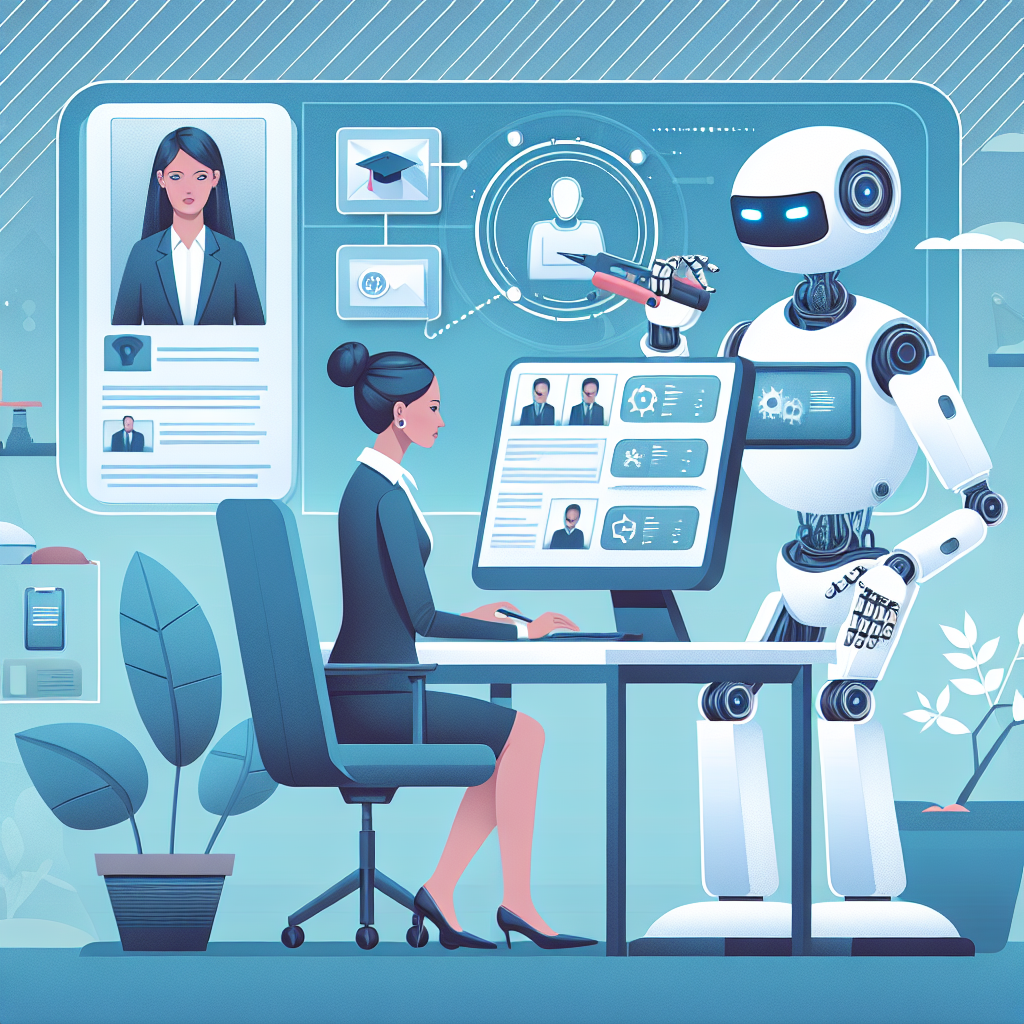
The Rise of AI in HR
Artificial Intelligence (AI) is revolutionizing the way HR departments operate. With the help of AI-powered tools, HR managers can streamline recruitment processes, analyze employee data, and even predict future trends in the workforce. For example, companies like IBM are using AI to improve employee engagement by analyzing communication patterns and identifying areas for improvement.
AI can also assist in the onboarding process by automating paperwork, scheduling training sessions, and providing personalized recommendations for career development. This not only saves time for HR professionals but also enhances the employee experience from day one. Overall, the integration of AI in HR management is paving the way for a more efficient and data-driven approach to talent management.
Moreover, AI can help in identifying potential biases in the recruitment process by analyzing resumes and profiles without any human intervention. This ensures a fair and objective selection process, leading to a more diverse and inclusive workforce. Companies like Pymetrics are using AI to match candidates with suitable job roles based on their skills and personality traits.
As AI continues to evolve, HR departments will need to adapt to new technologies and embrace automation to stay competitive in the rapidly changing business landscape. By leveraging AI tools, HR professionals can focus on strategic initiatives and decision-making, rather than getting bogged down by administrative tasks.
The Role of Chatbots in HR
Chatbots are becoming increasingly popular in HR management for their ability to provide instant support to employees and streamline communication processes. HR chatbots can answer frequently asked questions, assist with benefits enrollment, and even schedule meetings with HR representatives. For example, companies like Unilever have implemented chatbots to handle employee queries related to policies, leave requests, and performance reviews.
Chatbots can also enhance the employee experience by providing personalized recommendations for learning and development opportunities based on individual goals and performance. By leveraging chatbots, HR departments can provide employees with 24/7 support, improving overall satisfaction and engagement within the organization.
Furthermore, chatbots can automate repetitive tasks such as data entry, updating employee records, and sending reminders for upcoming deadlines. This frees up time for HR professionals to focus on more strategic initiatives and employee engagement activities. Overall, the integration of chatbots in HR management can lead to increased efficiency and productivity within the organization.
As chatbot technology continues to advance, HR departments can explore new ways to leverage these tools to enhance the employee experience and streamline internal processes. By embracing chatbots, organizations can create a more agile and responsive HR function that meets the evolving needs of employees in a fast-paced digital world.
Automation in Performance Management
Automation is transforming the way performance management is conducted within organizations. Traditional performance reviews are being replaced by continuous feedback systems that leverage automation to provide real-time insights and recommendations for improvement. For example, companies like Adobe are using automation tools to collect feedback from multiple sources, analyze performance data, and provide actionable insights to employees.
Automation in performance management can also help in identifying high-potential employees, tracking goal progress, and aligning individual objectives with organizational goals. By automating performance evaluations, HR departments can ensure a fair and transparent process that rewards employees based on merit and achievements.
Moreover, automation can assist in identifying training and development needs for employees based on performance data and skill gaps. By leveraging automation tools, HR managers can create personalized development plans that cater to individual strengths and areas for improvement, leading to a more engaged and motivated workforce.
Overall, the integration of automation in performance management is enabling HR departments to adopt a more data-driven and agile approach to talent development. By embracing automation tools, organizations can foster a culture of continuous learning and improvement that drives employee performance and engagement.
The Power of Technology: Implementing HR Software for Convenience

Streamlining HR Processes
Implementing HR software can revolutionize the way businesses handle human resource management. By automating repetitive tasks such as payroll processing, employee onboarding, and performance evaluations, HR professionals can save time and focus on more strategic initiatives.
For example, companies like BambooHR offer a comprehensive HR software solution that centralizes employee data, simplifies compliance with labor laws, and provides insightful analytics to drive decision-making.
With the help of HR software, organizations can improve efficiency, reduce errors, and enhance the overall employee experience. This not only saves time but also boosts employee morale and productivity.
Furthermore, HR software allows for better communication and collaboration among team members, as it provides a centralized platform for sharing information, tracking progress, and resolving issues efficiently.
Enhancing Employee Engagement
One of the key benefits of implementing HR software is its ability to enhance employee engagement. By providing self-service portals for employees to access important information, submit requests, and engage in training programs, organizations can empower their workforce and foster a culture of continuous learning and development.
For instance, platforms like Workday offer personalized employee experiences, where individuals can set goals, receive feedback, and track their performance in real-time. This level of transparency and accountability can motivate employees to excel and contribute to the overall success of the organization.
Moreover, HR software can facilitate meaningful interactions between managers and their team members, enabling regular feedback sessions, performance reviews, and recognition programs. This not only builds stronger relationships but also promotes a positive work environment where employees feel valued and appreciated.
Ultimately, by leveraging HR software to enhance employee engagement, organizations can improve retention rates, attract top talent, and create a thriving workplace culture that drives business success.
Ensuring Compliance and Data Security
Another critical aspect of implementing HR software is ensuring compliance with labor laws and data security regulations. With the increasing focus on data privacy and protection, organizations must invest in robust software solutions that safeguard sensitive employee information and prevent unauthorized access.
For example, HR software providers like ADP offer advanced security features such as encryption, multi-factor authentication, and regular audits to ensure data integrity and confidentiality. By partnering with trusted vendors, businesses can mitigate risks and maintain compliance with industry standards.
Additionally, HR software can automate compliance processes, such as tracking employee hours, managing leave requests, and generating reports for regulatory agencies. This not only saves time and resources but also reduces the likelihood of costly fines and penalties for non-compliance.
By prioritizing data security and compliance through the implementation of HR software, organizations can build trust with employees, customers, and stakeholders, demonstrating their commitment to upholding ethical business practices and protecting sensitive information.
Work-Life Balance: Tips for Creating a Seamless Integration

Set Boundaries
One of the key elements in achieving a successful work-life balance is setting clear boundaries between your personal and professional life. This means establishing specific times for work and personal activities and sticking to them. For example, you can designate certain hours for work tasks and commit to not checking work emails or taking work calls outside of those hours.
Setting boundaries also involves communicating your limits to your colleagues and family members. Let them know when you are available for work-related matters and when you need time for yourself. By clearly defining your boundaries, you can avoid burnout and maintain a healthy balance between work and personal life.
Consider creating a dedicated workspace at home where you can focus on work without distractions. This can help you mentally switch between work and personal tasks and create a physical boundary between the two aspects of your life.
Remember that setting boundaries is a continuous process and may require periodic adjustments as your circumstances change. Stay flexible and open to reevaluating your boundaries to ensure they continue to serve your work-life balance needs.
Practice Mindfulness
Practicing mindfulness is a powerful tool for enhancing work-life balance by helping you stay present and focused on the task at hand. Mindfulness involves paying attention to the present moment without judgment, which can reduce stress and improve productivity in both work and personal settings.
One way to incorporate mindfulness into your daily routine is through meditation. Taking a few minutes each day to sit quietly and focus on your breath can help calm your mind and increase your awareness of your thoughts and feelings. This practice can improve your ability to manage stress and maintain a sense of balance throughout your day.
Another way to practice mindfulness is by engaging in activities that promote relaxation and self-care, such as yoga or nature walks. These activities can help you connect with your body and mind, allowing you to recharge and refresh your energy for work and personal responsibilities.
By incorporating mindfulness practices into your daily routine, you can cultivate a greater sense of balance and well-being, enabling you to navigate the demands of work and personal life more effectively.
Prioritize Self-Care
Self-care is essential for maintaining a healthy work-life balance and preventing burnout. Taking care of your physical, emotional, and mental well-being is crucial for sustaining your energy and productivity in both work and personal pursuits.
Make time for activities that nourish your body and mind, such as exercise, healthy eating, and adequate sleep. Prioritizing self-care can help you feel more energized and focused, enabling you to perform at your best in all areas of your life.
Set aside time each day to engage in activities that bring you joy and relaxation, whether it’s reading a book, taking a bubble bath, or spending time with loved ones. These moments of self-care can rejuvenate your spirit and help you maintain a positive outlook on life.
Remember that self-care is not selfish but necessary for your overall well-being. By prioritizing self-care, you can enhance your work-life balance and create a seamless integration between your professional and personal responsibilities.
Outsourcing HR Tasks: Simplifying Your Workload

The Benefits of Outsourcing HR Tasks
Outsourcing HR tasks can provide numerous benefits for businesses of all sizes. By delegating tasks such as payroll processing, benefits administration, and employee training to external HR professionals, companies can save time and resources that can be better utilized in other areas of the business. Additionally, outsourcing HR tasks can help ensure compliance with ever-changing labor laws and regulations, reducing the risk of costly fines and legal issues.
For example, companies like ADP and Paychex offer comprehensive HR outsourcing services that can handle everything from recruitment and onboarding to performance management and employee relations. By partnering with these companies, businesses can streamline their HR processes and focus on core business functions.
Outsourcing HR tasks can also provide access to specialized expertise that may not be available in-house. For instance, HR outsourcing firms often have dedicated professionals with extensive experience in areas such as talent acquisition, compensation analysis, and HR technology. This expertise can help businesses make informed decisions and improve overall HR efficiency.
In addition, outsourcing HR tasks can help businesses stay agile and adapt to changing market conditions. By partnering with an external HR provider, companies can scale their HR operations up or down as needed, without the hassle of hiring and training internal staff. This flexibility can be especially beneficial for startups and small businesses looking to grow rapidly.
Common HR Tasks That Can Be Outsourced
There are a wide range of HR tasks that can be outsourced to external providers, depending on the needs and priorities of the business. Some common HR tasks that are often outsourced include:
- convenience
- Payroll processing and tax filing
- Benefits administration and compliance
- Recruitment and onboarding
- Employee training and development
For example, companies like Insperity and TriNet offer comprehensive HR outsourcing solutions that cover all of these areas and more. By outsourcing these tasks, businesses can save time and resources, reduce administrative burdens, and ensure compliance with labor laws and regulations.
Outsourcing HR tasks can also help businesses improve employee satisfaction and retention. By partnering with external HR providers that specialize in areas like training and development, companies can invest in their employees’ growth and professional development, leading to higher morale and engagement in the workplace.
Overall, outsourcing HR tasks can help businesses of all sizes achieve greater efficiency, compliance, and employee satisfaction, ultimately leading to improved business performance and growth.
Choosing the Right HR Outsourcing Partner
When considering outsourcing HR tasks, it’s important to choose the right partner that aligns with your business goals and values. Here are some key factors to consider when selecting an HR outsourcing provider:
- Experience and expertise in your industry
- Range of services offered and customization options
- Reputation and client testimonials
- Pricing and contract terms
For example, companies like ADP and Insperity have established reputations for providing high-quality HR outsourcing services across a wide range of industries. By partnering with these companies, businesses can benefit from their expertise and experience in delivering customized HR solutions that meet their specific needs.
It’s also important to consider the level of support and communication provided by the HR outsourcing partner. Look for a provider that offers dedicated account managers, 24/7 customer support, and regular updates on HR trends and best practices. This level of support can help ensure a smooth transition to outsourcing HR tasks and ongoing success in working with the provider.
By carefully evaluating these factors and selecting the right HR outsourcing partner, businesses can streamline their HR processes, reduce costs, and improve overall efficiency and compliance in their operations.
Time Management Strategies for HR Professionals

Utilize Time Blocking
One effective time management strategy for HR professionals is time blocking. This involves allocating specific blocks of time for different tasks or activities. For example, you can set aside dedicated time for responding to emails, conducting interviews, or attending meetings. By organizing your day in this way, you can focus on one task at a time and avoid distractions.
Additionally, time blocking allows you to prioritize important tasks and ensure that they are completed efficiently. You can use tools such as Google Calendar or Trello to create time blocks and set reminders for each task. This way, you can stay on track and manage your workload effectively.
Remember to schedule breaks in between time blocks to avoid burnout and maintain productivity. Taking short breaks can help you recharge and stay focused throughout the day.
Overall, time blocking is a valuable strategy for HR professionals to enhance productivity and manage their workload effectively.
Delegate Tasks Effectively
Delegating tasks is another crucial time management strategy for HR professionals. By assigning tasks to team members or colleagues, you can free up your time to focus on high-priority responsibilities. Delegation also helps to build trust and empower your team members to take on more responsibilities.
When delegating tasks, make sure to provide clear instructions and expectations to ensure that the work is completed accurately and on time. Communicate with your team members regularly to track progress and offer support when needed.
Identify tasks that can be delegated based on your team members’ skills and expertise. By leveraging their strengths, you can optimize productivity and achieve better results as a team.
Effective delegation is essential for HR professionals to streamline their workload and focus on strategic initiatives that drive business growth.
Use Technology to Automate Processes
Technology can be a powerful tool for HR professionals to streamline processes and save time. Consider using automation tools such as HR software, chatbots, or scheduling apps to simplify repetitive tasks and improve efficiency.
For example, you can use HR software to streamline recruitment processes, track employee performance, and manage payroll more efficiently. Chatbots can be used to answer common employee queries, freeing up your time to focus on more complex issues.
Scheduling apps like Calendly or Doodle can help you coordinate meetings and interviews seamlessly, eliminating the back-and-forth communication usually required to find a suitable time slot.
By leveraging technology to automate processes, HR professionals can optimize their time management and focus on strategic initiatives that drive business success.
Prioritizing Self-Care: The Key to Sustainable Productivity in HR

The Importance of Self-Care in HR
As HR professionals, we are often focused on taking care of others in the workplace. However, it is crucial to remember that we cannot pour from an empty cup. Prioritizing self-care is essential for maintaining our mental, emotional, and physical well-being, which directly impacts our productivity and effectiveness in our roles.
Self-care practices can help us manage stress, prevent burnout, and improve our overall job satisfaction. This, in turn, allows us to better support our colleagues and employees, leading to a more positive work environment and increased productivity.
Examples of self-care activities that HR professionals can incorporate into their routine include mindfulness meditation, exercise, spending time in nature, journaling, and setting boundaries to protect their time and energy.
By making self-care a priority, HR professionals can enhance their resilience, creativity, and problem-solving skills, ultimately leading to sustainable productivity and success in their roles.
Strategies for Incorporating Self-Care into Your Routine
One effective way to prioritize self-care in HR is to schedule regular breaks throughout the day to recharge and reset. This could involve taking short walks, practicing deep breathing exercises, or enjoying a healthy snack away from your desk.
Another strategy is to establish clear boundaries between work and personal life, such as setting specific work hours and turning off email notifications outside of those times. This can help prevent work-related stress from spilling over into your personal time.
Additionally, consider incorporating self-care activities into your daily routine, such as starting each day with a few minutes of gratitude practice or ending it with a relaxing bath or reading session. Consistency is key to reaping the benefits of self-care.
Remember that self-care is not a one-size-fits-all approach, so it’s important to experiment with different activities and routines to find what works best for you. Be kind to yourself and prioritize your well-being.
The Impact of Self-Care on Employee Engagement and Retention
When HR professionals prioritize self-care, they set a positive example for their colleagues and employees, encouraging them to do the same. This can create a culture of well-being in the workplace, leading to increased employee engagement, satisfaction, and retention.
Employees are more likely to feel supported and valued when their HR team demonstrates a commitment to self-care, which can improve morale and productivity across the organization. In contrast, neglecting self-care can lead to burnout and disengagement, negatively impacting employee performance and turnover rates.
By fostering a culture of self-care in HR and beyond, organizations can create a more positive and sustainable work environment where employees feel empowered to prioritize their well-being. This, in turn, can lead to improved productivity, creativity, and overall success for the organization as a whole.
Embracing self-care as a key component of sustainable productivity in HR is not only beneficial for individual professionals but also for the entire organization. By investing in your well-being, you are investing in the success and longevity of your career and your team.
Conclusion

By embracing convenience in every aspect of your life, you can streamline your daily routines and free up more time for the things that truly matter. Here are a few key points to remember:
- Automate repetitive tasks to save time and reduce stress
- Declutter your physical and digital spaces to create a more organized environment
- Utilize technology and tools to simplify your everyday tasks
Ultimately, streamlining your life is about creating a more efficient and enjoyable lifestyle. By making small changes and embracing convenience, you can achieve a greater sense of balance and productivity in everything you do.
Frequently Asked Questions

How can I start streamlining my life?
To start streamlining your life, you can begin by decluttering your physical and digital spaces, creating a daily routine, and prioritizing tasks based on importance.
What are some tools or apps that can help me streamline my life?
There are several tools and apps available to help streamline your life, such as task management apps like Todoist, organization apps like Evernote, and budgeting apps like Mint.
How can I maintain a work-life balance while streamlining my life?
To maintain a work-life balance while streamlining your life, it’s important to set boundaries, prioritize self-care, and schedule time for relaxation and hobbies.
How can I streamline my finances?
To streamline your finances, you can create a budget, automate bill payments, use digital banking tools, and track your expenses regularly.
How can I streamline my daily tasks and routines?
To streamline your daily tasks and routines, you can use time management techniques like the Pomodoro Technique, delegate tasks when possible, and minimize distractions during work hours.
Leave a Reply