


In today’s fast-paced world, technology is constantly evolving and shaping the way we live, work, and communicate. From the invention of the wheel to the advent of the internet, our society has experienced a series of technological advancements that have revolutionized the way we interact with the world around us. In this article, we will explore the journey of technology throughout history and how it has led us to the digital era we now find ourselves in.
As we delve into the past, we will uncover the key milestones that have propelled us forward, from the Industrial Revolution to the Information Age. We will examine how each innovation has built upon the last, creating a foundation for the digital landscape we inhabit today. From the first computer to the rise of artificial intelligence, we will witness the incredible progress that has been made in a relatively short amount of time.
Join us on this journey as we navigate the digital era and explore the ways in which technology continues to shape our world. From social media to smart homes, the possibilities are endless as we embrace the power of technology to connect, create, and innovate. Let’s embark on this adventure together and discover how we can harness the potential of technology to build a brighter future for generations to come.
Digital Transformation in HR: Harnessing Technology for Success

The Impact of AI on HR Processes
Artificial Intelligence (AI) has revolutionized HR processes, making recruitment, onboarding, and performance management more efficient and effective. AI-powered tools can analyze resumes, conduct pre-screening interviews, and predict candidate success based on data-driven insights. This technology has significantly reduced the time and resources required for recruitment, allowing HR professionals to focus on more strategic tasks.
Companies like Unilever have successfully implemented AI in their HR processes, using chatbots to engage with candidates, streamline communication, and provide instant feedback. This not only enhances the candidate experience but also improves the overall efficiency of the recruitment process.
Furthermore, AI can help HR professionals identify patterns in employee behavior, predict turnover rates, and recommend personalized development opportunities. By leveraging AI, HR departments can make data-driven decisions that drive employee engagement and retention.
As AI continues to advance, HR professionals must embrace this technology to stay competitive in the digital era. By harnessing the power of AI, organizations can optimize their HR processes, improve employee experiences, and drive business success.
The Role of Big Data in HR Analytics
Big data analytics has transformed HR into a more strategic function by providing actionable insights into workforce trends, performance metrics, and employee engagement. By analyzing large volumes of data, HR professionals can identify patterns, predict future outcomes, and make informed decisions that drive business growth.
Companies like Google use big data analytics to measure employee engagement, identify key drivers of performance, and optimize their talent management strategies. By leveraging data analytics, Google has been able to improve employee satisfaction, reduce turnover rates, and enhance overall organizational performance.
HR departments can also use big data analytics to track workforce diversity, monitor compliance with labor regulations, and identify areas for improvement in their recruitment and retention strategies. By harnessing the power of big data, HR professionals can drive organizational change, foster a culture of innovation, and achieve sustainable growth.
In the digital era, HR analytics is essential for organizations looking to stay ahead of the competition. By leveraging big data, HR departments can gain valuable insights that enable them to make data-driven decisions, optimize their workforce, and drive business success.
The Rise of Remote Work and Virtual Collaboration
The COVID-19 pandemic has accelerated the shift towards remote work, leading to the widespread adoption of virtual collaboration tools in HR. Platforms like Zoom, Slack, and Microsoft Teams have become essential for HR professionals to communicate with remote teams, conduct virtual meetings, and collaborate on projects in real-time.
Companies like Facebook have embraced remote work by allowing employees to work from anywhere in the world. This flexibility not only improves work-life balance but also enables organizations to access a global talent pool, diversify their workforce, and drive innovation.
Virtual collaboration tools also enable HR professionals to onboard new employees remotely, conduct virtual training sessions, and foster a sense of community among remote teams. By leveraging these technologies, HR departments can ensure that employees feel connected, engaged, and supported, regardless of their physical location.
In today’s digital era, remote work and virtual collaboration are here to stay. HR professionals must adapt to this new way of working by embracing technology, reimagining traditional HR processes, and creating a culture of trust and transparency in virtual environments.
SEO Strategies for Recruiting in the Digital Age
Optimizing Job Descriptions
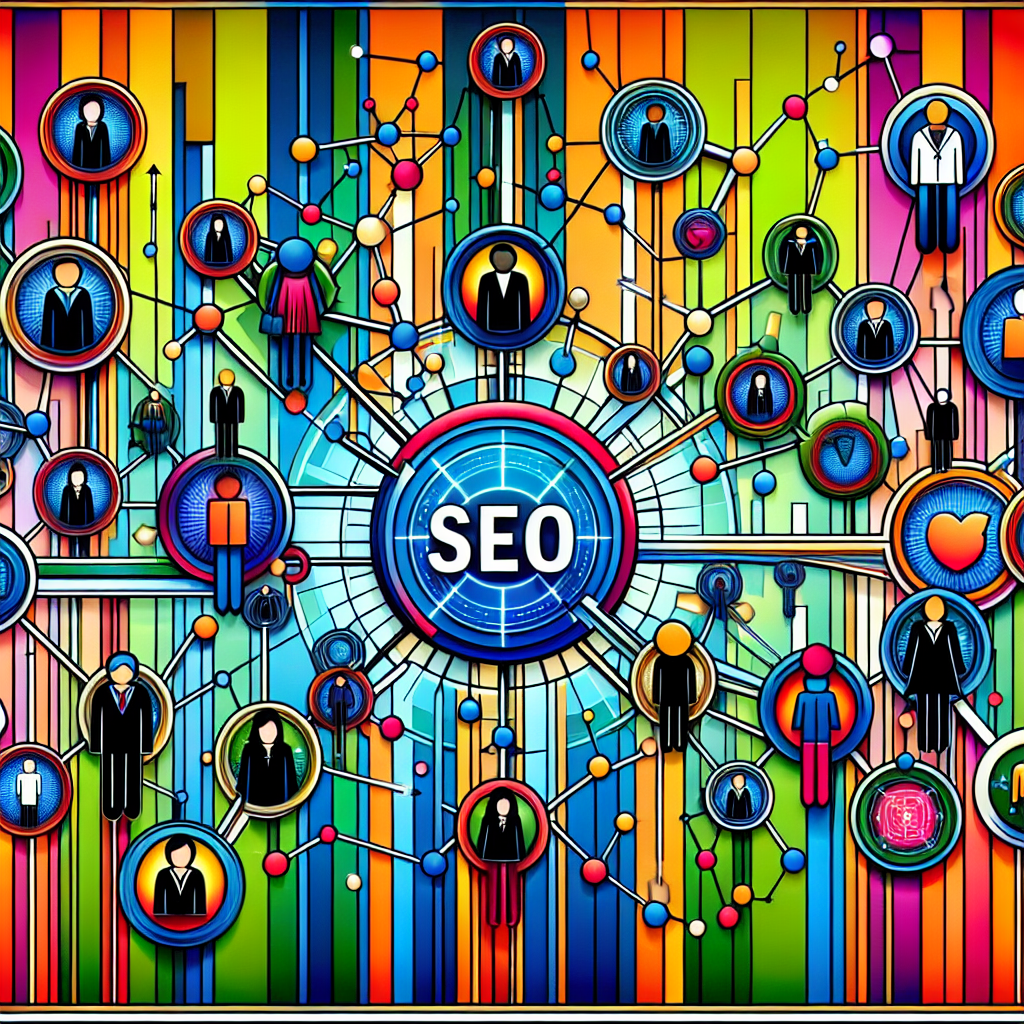
One of the first steps in attracting top talent through SEO is to optimize your job descriptions. Make sure to include relevant keywords that candidates are likely to search for, such as job titles, skills, and location. For example, if you are hiring for a software engineer position in San Francisco, include phrases like “San Francisco software engineer job” or “software engineer position in SF” in your job description.
Additionally, consider using bullet points to break up the text and make it easier for search engines to crawl. This will improve the readability of your job posting and increase the chances of it appearing in search results. Remember, the goal is to make it as easy as possible for qualified candidates to find your job listing.
Another strategy is to incorporate long-tail keywords, which are longer and more specific phrases that potential candidates might use when searching for jobs. For example, instead of just using “software engineer job,” consider adding phrases like “entry-level software engineer job in San Francisco” or “remote software engineer position.”
By optimizing your job descriptions with relevant keywords and long-tail phrases, you can improve your chances of attracting qualified candidates and ranking higher in search results.
Building a Strong Employer Brand
A strong employer brand is essential for attracting top talent in the digital age. When candidates are searching for job opportunities, they often research companies to see what it’s like to work there. By building a positive employer brand, you can attract more qualified candidates and stand out from the competition.
One way to build a strong employer brand is to showcase your company culture on your website and social media profiles. Share employee testimonials, photos of your office space, and information about your company values and mission. This will give potential candidates insight into what it’s like to work at your company and help them determine if it’s the right fit for them.
Another strategy is to highlight your company’s accomplishments and awards. If your company has been recognized for its workplace culture, diversity initiatives, or innovation, make sure to feature these accolades on your website and in your job postings. This will help build credibility and attract top talent who want to work for a reputable company.
By building a strong employer brand, you can create a positive reputation that will attract top talent and improve your chances of ranking higher in search results.
Utilizing Social Media Platforms
Social media platforms are powerful tools for recruiting in the digital age. By utilizing platforms like LinkedIn, Facebook, and Twitter, you can reach a larger audience of potential candidates and increase your chances of attracting top talent.
One strategy is to share your job postings on social media and encourage your employees to do the same. This will help spread the word about job opportunities at your company and reach a wider audience of qualified candidates. Additionally, consider creating targeted ads on social media to reach candidates who may not have seen your job postings through traditional channels.
Another strategy is to engage with potential candidates on social media by sharing relevant content, participating in industry discussions, and showcasing your company culture. By building relationships with candidates on social media, you can attract top talent who are already familiar with your company and interested in working for you.
Remember to monitor your social media profiles regularly and respond to comments and messages from potential candidates. By actively engaging with candidates on social media, you can create a positive impression of your company and improve your chances of attracting top talent.
Measuring and Analyzing Results
Once you have implemented SEO strategies for recruiting in the digital age, it’s important to measure and analyze your results to determine what’s working and what’s not. By tracking key metrics like website traffic, job application conversions, and keyword rankings, you can identify areas for improvement and make data-driven decisions to optimize your recruitment efforts.
One way to measure the effectiveness of your SEO strategies is to use tools like Google Analytics to track website traffic and user behavior. Look at metrics like page views, bounce rate, and time on page to see how candidates are interacting with your job postings. By analyzing this data, you can identify which job listings are performing well and which ones may need to be optimized further.
Another strategy is to track keyword rankings to see how your job postings are performing in search results. Use tools like SEMrush or Moz to monitor your keyword rankings and see how your SEO efforts are impacting your visibility online. By tracking keyword rankings, you can make adjustments to your job descriptions and content to improve your search engine rankings and attract more qualified candidates.
By measuring and analyzing your results, you can ensure that your SEO strategies are effective in attracting top talent and optimizing your recruitment efforts in the digital age.
The Impact of AI on HR: Enhancing Efficiency and Decision-Making
Streamlining Recruitment Process
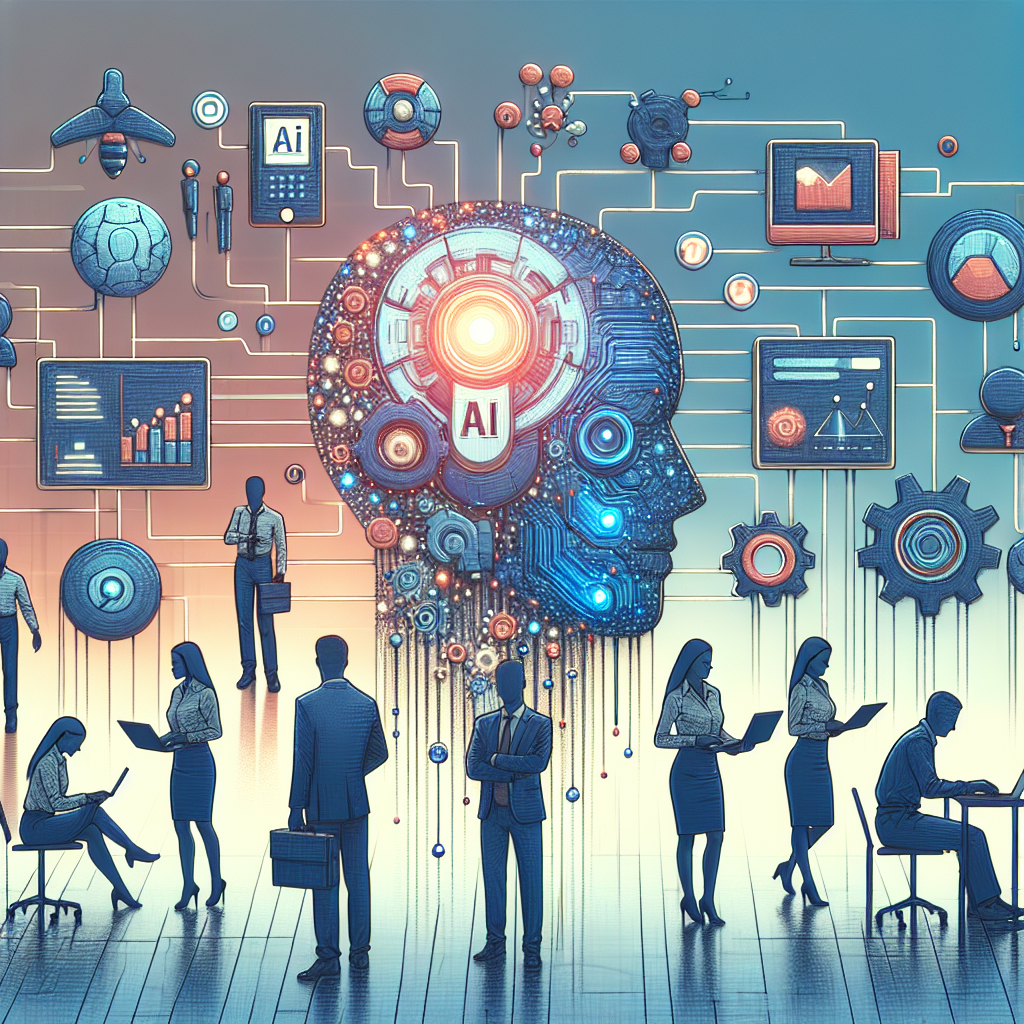
One of the most significant impacts of AI on HR is streamlining the recruitment process. AI-powered tools can analyze resumes, conduct initial screenings, and even schedule interviews, saving HR professionals countless hours. For example, companies like IBM are using AI to identify top talent by analyzing thousands of resumes in seconds, significantly reducing the time it takes to fill open positions.
Additionally, AI can help eliminate bias in the hiring process by focusing on candidates’ qualifications rather than personal characteristics. This not only improves diversity and inclusion within organizations but also ensures that the best candidates are selected based on their skills and experience.
By automating repetitive tasks such as resume screening and interview scheduling, HR professionals can focus on more strategic initiatives like employee development and retention. This shift in focus allows HR departments to become more proactive in addressing workforce challenges and driving business success.
Overall, AI is revolutionizing the recruitment process by enhancing efficiency, reducing bias, and enabling HR professionals to make data-driven decisions that lead to better hiring outcomes.
Enhancing Employee Engagement and Satisfaction
AI has the potential to transform how HR departments engage with employees and enhance their overall satisfaction. Chatbots powered by AI can provide instant responses to employee inquiries, offer personalized training recommendations, and even gather feedback on company policies and procedures. For example, companies like Microsoft use AI-powered chatbots to help employees navigate benefits packages, increasing overall satisfaction and engagement.
Moreover, AI can analyze employee data to identify trends and patterns related to engagement and satisfaction. By understanding what motivates employees and drives their productivity, HR professionals can tailor programs and initiatives to better meet their needs. This personalized approach to employee engagement not only boosts morale but also improves retention rates and overall organizational performance.
AI can also assist in predicting employee turnover by analyzing various factors such as job satisfaction, performance reviews, and absenteeism rates. By identifying at-risk employees early on, HR departments can take proactive measures to address their concerns and prevent turnover, ultimately saving the company time and resources in recruiting and training new hires.
In summary, AI is revolutionizing how HR departments engage with employees by providing personalized support, analyzing data to improve satisfaction, and predicting turnover to proactively address potential issues.
Facilitating Data-Driven Decision-Making
Another key impact of AI on HR is its ability to facilitate data-driven decision-making. AI-powered analytics tools can process vast amounts of workforce data to identify trends, patterns, and insights that inform strategic HR decisions. For example, companies like Google use AI to analyze employee performance data and identify factors that contribute to high performance, enabling HR departments to develop targeted training programs and performance incentives.
AI can also predict future workforce needs by analyzing historical data, market trends, and business objectives. By forecasting staffing requirements and skill gaps, HR professionals can proactively address potential shortages and develop recruitment and training strategies to meet future demands. This proactive approach to workforce planning ensures that organizations have the right talent in place to drive business success.
Additionally, AI can help HR departments optimize employee scheduling by considering factors such as workload, skills, preferences, and labor laws. By creating more efficient and equitable schedules, companies can improve employee satisfaction, reduce turnover, and increase productivity. This data-driven approach to scheduling not only benefits employees but also enhances overall operational efficiency.
In conclusion, AI is revolutionizing how HR departments make decisions by providing data-driven insights that inform strategic planning, workforce forecasting, and employee scheduling, ultimately driving business success and organizational performance.
Optimizing Your HR Website for Search Engines: A Step-by-Step Guide

Keyword Research
Keyword research is the foundation of any successful SEO strategy. Start by brainstorming a list of relevant keywords that your target audience might use to search for HR services. Tools like Google Keyword Planner, SEMrush, and Moz Keyword Explorer can help you identify high-value keywords with low competition. Once you have a list of keywords, prioritize them based on search volume and relevance to your HR website.
For example, if your HR website offers recruitment services in New York City, relevant keywords could include “NYC recruitment agency,” “HR services in NYC,” and “New York City HR consulting.” By incorporating these keywords strategically throughout your website’s content, meta tags, and URLs, you can improve your chances of ranking higher in search engine results pages (SERPs).
Remember to also consider long-tail keywords, which are longer and more specific phrases that cater to a niche audience. Long-tail keywords often have lower search volume but higher conversion rates because they target users with a specific intent. Incorporating long-tail keywords like “best HR recruitment agency in NYC” or “HR consulting for startups in New York City” can help you attract qualified leads to your HR website.
Regularly monitor your keyword performance using tools like Google Analytics and Search Console. Analyze which keywords are driving the most traffic to your HR website and refine your strategy accordingly. By staying up-to-date with keyword trends and user behavior, you can continuously optimize your website for search engines and maximize your online visibility.
On-Page SEO
On-page SEO refers to the optimization of individual web pages to improve their search engine rankings and attract organic traffic. Start by optimizing your HR website’s titles, meta descriptions, and headings to include your target keywords. Make sure each page has a unique and descriptive title tag that accurately reflects its content.
For example, if you have a webpage dedicated to “HR services in NYC,” your title tag could be “Best HR Services in New York City | Your Company Name.” Similarly, your meta description should provide a concise summary of the page’s content and entice users to click through to your website. Incorporate your target keywords naturally within the meta description to improve its relevance to search queries.
When creating content for your HR website, focus on producing high-quality, relevant, and engaging material that addresses your target audience’s needs. Use headers, bullet points, and internal linking to improve readability and guide users through your content. Include multimedia elements like images, videos, and infographics to enhance the user experience and increase dwell time on your website.
Optimize your website’s images by using descriptive filenames, alt text, and captions that include your target keywords. Image optimization not only improves your website’s accessibility but also helps search engines understand the context of your content. By implementing these on-page SEO best practices, you can enhance your HR website’s visibility and credibility in the eyes of search engines.
Technical SEO
Technical SEO focuses on optimizing the technical aspects of your website to improve its search engine performance. Start by ensuring that your HR website is mobile-friendly and responsive across all devices. With the increasing use of smartphones and tablets, mobile optimization is crucial for providing a seamless user experience and maintaining your search rankings.
Use tools like Google’s Mobile-Friendly Test to check if your website meets mobile usability standards. If your website is not mobile-friendly, consider implementing responsive design, optimizing images for mobile screens, and reducing page load times to enhance user experience on mobile devices.
Improve your website’s loading speed by optimizing image sizes, minifying CSS and JavaScript files, and leveraging browser caching. Tools like Google PageSpeed Insights and GTmetrix can help you identify performance issues and suggest ways to optimize your website’s speed. By reducing loading times, you can decrease bounce rates, improve user engagement, and boost your SEO rankings.
Implement structured data markup on your HR website to help search engines understand the content and context of your web pages. Structured data markup can enhance your website’s appearance in search results by generating rich snippets, knowledge panels, and other visual enhancements. Use schema.org markup to mark up key information like job postings, reviews, and events on your website to improve its visibility and relevance in search engine results.
The Future of HR: Trends and Technologies to Watch

Artificial Intelligence in HR
Artificial intelligence (AI) is revolutionizing the HR industry by streamlining processes, increasing efficiency, and improving decision-making. One of the key applications of AI in HR is in recruitment, where AI-powered tools can analyze resumes, conduct initial screenings, and even predict candidate performance based on data analysis. For example, companies like HireVue use AI to analyze video interviews and assess candidates’ facial expressions, tone of voice, and language use to determine their suitability for a role.
AI is also being used for employee engagement and retention. Chatbots are increasingly being utilized to provide instant responses to employee inquiries, automate routine tasks, and gather feedback on workplace issues. These chatbots can help HR departments improve communication and provide personalized support to employees. Companies like Pymetrics use AI to assess employees’ strengths and weaknesses to create personalized development plans.
While AI offers many benefits to HR, there are also concerns around data privacy and bias. It is essential for companies to ensure that AI algorithms are transparent, fair, and comply with data protection regulations to build trust with employees and candidates.
In the future, we can expect to see AI playing an even bigger role in HR, with advancements in natural language processing, machine learning, and predictive analytics transforming how HR professionals attract, retain, and develop talent.
Remote Work and Virtual Collaboration
The COVID-19 pandemic accelerated the shift towards remote work, and many companies are now embracing hybrid work models that combine remote and in-person work. As a result, HR departments are investing in technologies that enable virtual collaboration, such as video conferencing tools, project management platforms, and virtual team-building activities.
Virtual reality (VR) and augmented reality (AR) are also being used to enhance the remote work experience. Companies like Spatial are creating virtual meeting spaces where employees can collaborate in a 3D environment, interact with digital objects, and feel like they are in the same room as their colleagues. VR and AR technologies can help HR departments foster a sense of community, creativity, and innovation among remote teams.
Remote work also presents challenges for HR, such as monitoring employee productivity, maintaining work-life balance, and ensuring effective communication. HR professionals need to leverage technology to address these challenges and create a supportive and inclusive remote work culture.
In the future, we can expect to see more companies adopting remote work policies and investing in technologies that enable seamless virtual collaboration, as the benefits of remote work become apparent in terms of cost savings, talent retention, and employee satisfaction.
Data Analytics and Predictive Insights
Data analytics is transforming how HR departments make decisions by providing valuable insights into employee performance, engagement, and retention. HR professionals are increasingly using data-driven approaches to identify trends, predict future outcomes, and optimize HR strategies. For example, companies like IBM use predictive analytics to forecast employee turnover, identify flight risks, and develop retention strategies.
HR analytics tools can help HR professionals measure the impact of HR initiatives, track key performance indicators, and make informed decisions based on data. These tools can also provide insights into diversity and inclusion, employee well-being, and workforce planning to ensure that HR strategies are aligned with business goals.
One of the challenges of HR analytics is data quality and integration. HR departments need to ensure that data is accurate, up-to-date, and compliant with data privacy regulations to derive meaningful insights. By investing in data analytics platforms and training HR professionals in data analysis, companies can unlock the full potential of HR data.
In the future, we can expect to see more companies leveraging data analytics and predictive insights to drive HR decision-making, improve employee experiences, and optimize organizational performance in the digital era.
Social Media Recruiting: Leveraging Digital Platforms to Attract Top Talent
The Power of LinkedIn in Recruiting
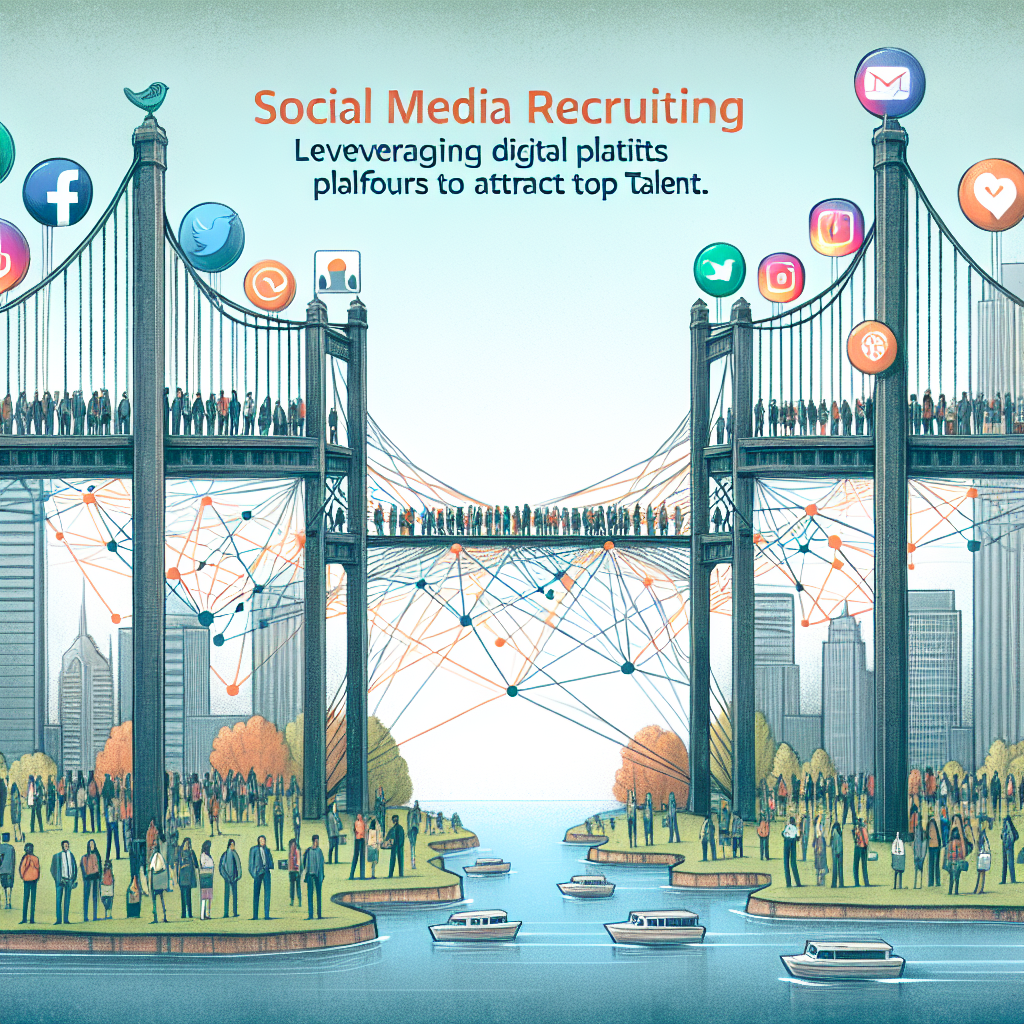
LinkedIn has become the go-to platform for professional networking and recruiting. With over 700 million users worldwide, it provides a vast pool of talent for recruiters to tap into. Recruiters can use LinkedIn to search for candidates based on specific criteria, such as skills, experience, and location. They can also reach out to potential candidates directly through private messages or by sharing job postings on their feed.
One of the key advantages of using LinkedIn for recruiting is the ability to showcase company culture and employer branding. Recruiters can create engaging company pages that highlight their values, mission, and work culture, attracting top talent who align with their values. By sharing employee testimonials, behind-the-scenes photos, and company updates, recruiters can give candidates a glimpse into what it’s like to work at their organization.
Furthermore, LinkedIn offers tools like LinkedIn Recruiter, which allows recruiters to manage their candidate pipeline, track interactions, and collaborate with team members. These tools streamline the recruiting process, making it easier for recruiters to identify, engage, and hire top talent.
Overall, LinkedIn has revolutionized the way recruiters connect with candidates, making it a powerful tool for social media recruiting.
The Rise of Instagram in Employer Branding
Instagram has emerged as a popular platform for showcasing employer branding and company culture. With over 1 billion active users, Instagram offers a visually appealing way for companies to engage with potential candidates. Recruiters can use Instagram to share photos and videos that highlight their workplace, team members, and company events.
Employer branding on Instagram is all about creating an authentic and relatable image of the company. By sharing candid moments, employee spotlights, and behind-the-scenes content, recruiters can humanize their brand and attract candidates who resonate with their values. Companies like Airbnb, Google, and Starbucks have mastered the art of employer branding on Instagram, creating visually stunning feeds that showcase their unique company cultures.
Instagram also offers features like Instagram Stories and IGTV, which allow recruiters to share real-time updates, interviews, and virtual tours of their workspace. These interactive features make it easy for candidates to engage with the company and get a sense of what it’s like to work there.
In conclusion, Instagram is a powerful platform for building employer branding and attracting top talent through visual storytelling.
The Role of Twitter in Recruitment Marketing
Twitter may be known for its 280-character limit, but it has proven to be an effective platform for recruitment marketing. With over 330 million active users, Twitter offers a fast-paced environment for recruiters to engage with candidates, share job postings, and promote employer branding.
Recruiters can use Twitter to post job openings with relevant hashtags to reach a larger audience of job seekers. By including eye-catching visuals, compelling job descriptions, and a call-to-action, recruiters can attract the attention of potential candidates and encourage them to apply. Companies like IBM, Amazon, and Nike use Twitter to promote their job opportunities and engage with candidates in real-time.
Another advantage of Twitter is its ability to facilitate conversations and networking. Recruiters can participate in Twitter chats, join industry conversations, and connect with potential candidates through direct messages. By engaging with the Twitter community, recruiters can build relationships with candidates and establish their company as a top employer in the industry.
In summary, Twitter is a valuable tool for recruitment marketing, allowing recruiters to reach a wide audience of job seekers and engage with candidates in a dynamic and interactive way.
Measuring HR Success in the Digital Era: Key Metrics and Analytics

Employee Engagement
In today’s digital era, measuring employee engagement is more crucial than ever. With remote work becoming the norm, HR teams need to find innovative ways to ensure employees feel connected and motivated. Utilizing tools like pulse surveys, sentiment analysis, and collaboration platforms can provide valuable insights into employee engagement levels.
For example, a company could use a tool like Glint to regularly collect feedback from employees and track engagement trends over time. By analyzing this data, HR can identify areas for improvement and take proactive measures to boost engagement.
Emojis can also be a powerful tool for measuring employee sentiment. By analyzing the types of emojis used in communication channels, HR can gauge how employees are feeling and tailor engagement strategies accordingly.
In addition to traditional metrics like retention rates and turnover, HR teams can use advanced analytics to measure employee engagement in real-time and make data-driven decisions to improve overall satisfaction and productivity.
Recruitment Efficiency
Recruitment in the digital era requires a data-driven approach to attract and retain top talent. HR teams can leverage metrics like time-to-hire, cost-per-hire, and candidate experience to measure recruitment efficiency.
Using applicant tracking systems (ATS) and recruitment analytics platforms, HR can track key recruitment metrics and identify bottlenecks in the hiring process. By analyzing data on sourcing channels, candidate demographics, and interview feedback, HR can optimize recruitment strategies and improve overall efficiency.
For example, a company could use a tool like Greenhouse to track recruitment metrics and analyze the effectiveness of different sourcing channels. By identifying which channels yield the highest quality candidates, HR can allocate resources more effectively and improve recruitment outcomes.
By leveraging analytics and automation tools, HR teams can streamline the recruitment process, reduce time-to-fill, and ultimately attract top talent more efficiently in the digital era.
Performance Management
Performance management has evolved in the digital era, with a shift towards continuous feedback and development. HR teams can use metrics like goal attainment, feedback frequency, and performance ratings to measure employee performance and drive continuous improvement.
Tools like performance management software and 360-degree feedback platforms enable HR to collect real-time feedback from managers, peers, and direct reports. By analyzing performance data and identifying patterns, HR can provide targeted coaching and development opportunities to enhance employee performance.
For example, a company could use a platform like Lattice to set goals, track progress, and provide ongoing feedback to employees. By aligning individual goals with organizational objectives, HR can ensure that employees are engaged and motivated to perform at their best.
In the digital era, performance management is not just about evaluating past performance but also about predicting future success and fostering a culture of continuous learning and improvement.
Conclusion

In conclusion, the evolution of technology has revolutionized the way we live, work, and communicate in the digital era. As we continue to navigate this ever-changing landscape, it is important to stay informed, adapt to new technologies, and embrace the opportunities they present.
- Technology has transformed industries and created new opportunities for innovation and growth.
- Access to information and communication has never been more accessible, connecting people around the globe.
- Continuous learning and development are essential in order to thrive in a technology-driven world.
As we look to the future, it is crucial to remain open-minded, flexible, and curious about the possibilities that technology can bring. By staying informed and embracing change, we can harness the power of technology to create a brighter, more connected world for generations to come.
Frequently Asked Questions

Q: What is the digital era?
A: The digital era refers to the period of time in which technology and digitalization have significantly impacted industries, societies, and daily life.
Q: How has technology evolved over time?
A: Technology has evolved rapidly, from the invention of the wheel to the development of smartphones and artificial intelligence. Advancements in science and engineering have fueled this evolution.
Q: What are some key technologies shaping the digital era?
A: Some key technologies shaping the digital era include artificial intelligence, blockchain, virtual reality, Internet of Things, and cloud computing.
Q: How has the digital era impacted industries?
A: The digital era has transformed industries by increasing efficiency, enabling new business models, and fostering innovation. It has also created new job opportunities and challenges.
Q: How can individuals navigate the digital era effectively?
A: To navigate the digital era effectively, individuals should stay updated on technological trends, develop digital skills, be mindful of online security, and embrace lifelong learning. Embracing change and being adaptable are also key.
Leave a Reply