

Navigating <a href="https://www.hrfraternity.com/hr-excellence/ensuring-fair-pay-equity-for-a-diverse-workforce-strategies-for-equal-compensation.html”>Pay equity Conversations with HR: Tips to Ensure Fair Salary Discussions
As an employee, discussing salary with HR can be a daunting task. It’s important to ensure that you are being paid fairly for your work and skills. In this blog post, we will provide you with tips on how to navigate pay equity conversations with HR to ensure fair salary discussions. Inclusion is a foundational topic here. Communication is equally relevant.
Understanding Pay Equity – Pay equity
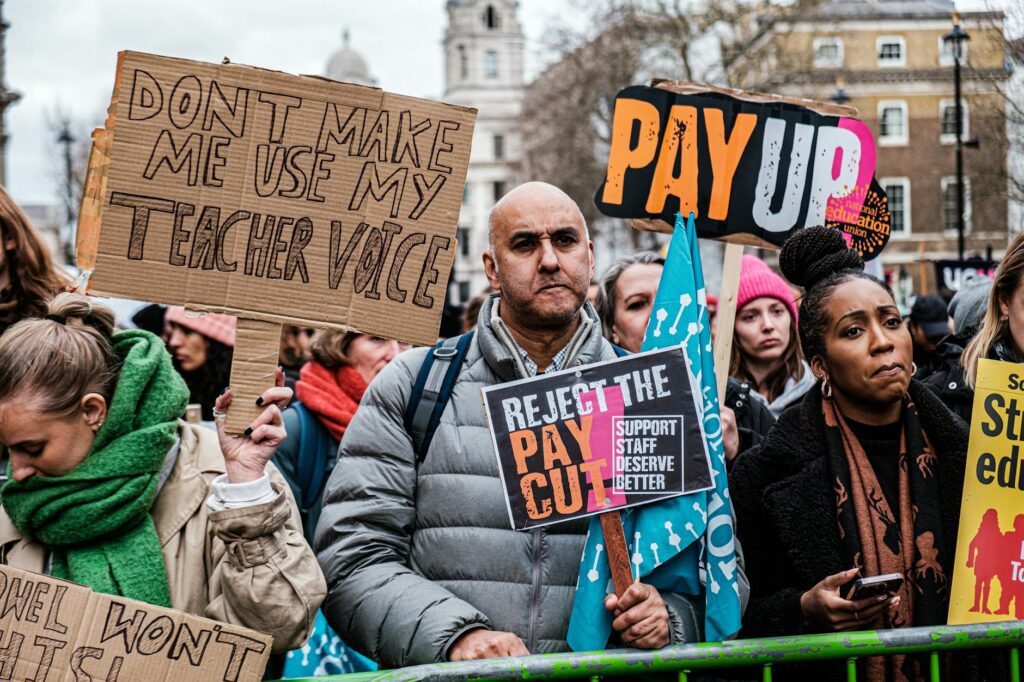
What is Pay Equity?
Pay equity refers to the principle of equal pay for equal work. It ensures that employees are paid fairly based on their skills, experience, and responsibilities, regardless of factors such as gender, race, or age.
It is important for organizations to promote pay equity to create a fair and inclusive work environment. By ensuring that all employees are paid fairly, organizations can improve employee morale, retention, and overall productivity.
Discussing pay equity with HR can help employees understand how their salary is determined and identify any potential disparities that need to be addressed.
Importance of Pay Equity
Pay equity is essential for fostering a culture of fairness and equality within an organization. When employees feel that they are being paid fairly, they are more motivated to perform their best and contribute positively to the company.
Moreover, pay equity helps to prevent discrimination and bias in the workplace. By ensuring that employees are compensated based on their skills and performance, organizations can create a more diverse and inclusive workforce.
Addressing pay equity issues can also help organizations attract and retain top talent. Employees are more likely to stay with a company that values their contributions and compensates them fairly for their work.
Legal Aspects of Pay Equity
It’s important for organizations to comply with laws and regulations related to pay equity. In many countries, there are laws that prohibit discrimination in pay based on factors such as gender, race, or age.
Employers are required to conduct regular pay audits to identify any disparities in compensation and take corrective actions to ensure pay equity. Failure to address pay equity issues can result in legal consequences and damage to the organization’s reputation.
By understanding the legal aspects of pay equity, employees can advocate for fair compensation and hold their employers accountable for any pay disparities.
Preparing for Pay Equity Conversations

Research Salary Benchmarks
Before discussing salary with HR, it’s important to research salary benchmarks for your role and industry. Websites such as Glassdoor, PayScale, and LinkedIn Salary can provide valuable insights into average salaries for similar positions.
By knowing your worth in the market, you can negotiate effectively with HR and ensure that you are being paid fairly for your work. Be prepared to share data and examples to support your salary expectations during the conversation.
Remember that salary negotiation is a two-way conversation. Be open to discussing your skills, experience, and performance to demonstrate why you deserve a higher salary.
Identify Your Value Proposition
Before meeting with HR, take some time to identify your value proposition to the organization. Consider the unique skills, experiences, and contributions that you bring to the table and how they align with the company’s goals and objectives.
Highlighting your value proposition during the conversation can help HR understand why you deserve a higher salary and how you contribute to the organization’s success. Be prepared to provide specific examples of your achievements and accomplishments to support your case.
By demonstrating your value to the organization, you can strengthen your position during salary negotiations and increase your chances of receiving fair compensation.
Practice Effective Communication
Effective communication is key to navigating pay equity conversations with HR. Clearly articulate your salary expectations, concerns, and reasons for seeking a salary increase during the discussion.
Avoid using vague language or beating around the bush. Be direct and specific about your salary requirements and provide evidence to support your requests. Listen actively to HR’s feedback and be open to compromising to reach a mutually beneficial agreement.
Remember to maintain a professional and respectful tone throughout the conversation. Avoid getting emotional or confrontational, as this can hinder productive communication and negotiation.
Conducting Pay Equity Conversations

Schedule a Meeting with HR
When you are ready to discuss salary with HR, schedule a meeting in advance to ensure that you have enough time to address your concerns and negotiate effectively. Choose a quiet and private location for the meeting to maintain confidentiality.
Inform HR about the purpose of the meeting beforehand so that they can prepare for the discussion. Be transparent about your salary expectations and any issues that you would like to address during the conversation.
By scheduling a formal meeting with HR, you can demonstrate your professionalism and seriousness about discussing pay equity.
Present Your Case Effectively
During the meeting with HR, present your case for a salary increase in a clear and organized manner. Start by outlining your achievements, skills, and contributions to the organization to establish your value.
Provide specific examples of your accomplishments and how they have positively impacted the company. Share data and metrics to quantify your performance and demonstrate your worth to the organization.
Be prepared to discuss salary benchmarks and market rates for your role to support your salary expectations. Clearly explain why you believe you deserve a higher salary and how it aligns with your skills and experience.
Negotiate and Reach a Mutual Agreement
Once you have presented your case, engage in a constructive negotiation with HR to reach a mutual agreement on your salary. Be open to discussing alternative forms of compensation, such as bonuses, benefits, or flexible work arrangements, if a salary increase is not feasible.
Listen to HR’s feedback and concerns and be willing to compromise to find a solution that works for both parties. Clearly communicate your willingness to work together to address any pay disparities and ensure fair compensation moving forward.
Avoid ultimatums or threats during the negotiation process, as this can damage your relationship with HR and hinder the chances of reaching a positive outcome. Keep an open mind and remain flexible throughout the discussion.
Following Up After Pay Equity Conversations

Document the Discussion
After the pay equity conversation with HR, document the key points discussed, any agreements reached, and action items moving forward. Keep a record of the meeting outcomes and follow-up steps to ensure that both parties understand their responsibilities.
Having a written record of the conversation can help prevent misunderstandings and disputes in the future. Refer back to the documentation if any issues arise or if you need to revisit the salary discussion with HR at a later date.
Share the meeting summary with HR to confirm the accuracy of the information and ensure that both parties are aligned on the next steps. Follow up with HR periodically to track progress and address any ongoing concerns related to pay equity.
Monitor Your Progress and Performance
After discussing salary with HR, monitor your progress and performance to ensure that you are meeting expectations and delivering results. Keep track of your achievements, goals, and feedback from managers to demonstrate your value to the organization.
Regularly assess your performance against established metrics and objectives to identify areas for improvement and growth. Seek opportunities for professional development and skill enhancement to increase your value to the company and position yourself for future salary negotiations.
Stay engaged with HR and your managers to receive feedback on your performance and discuss any potential salary adjustments based on your contributions. By proactively managing your progress and performance, you can strengthen your case for fair compensation and career advancement.
Conclusion
Discussing pay equity with HR can be a challenging but necessary process to ensure fair salary discussions and promote a culture of equality and inclusivity within organizations. By following the tips outlined in this blog post, employees can navigate pay equity conversations effectively and advocate for fair compensation based on their skills and contributions.
Remember to research salary benchmarks, identify your value proposition, practice effective communication, schedule a meeting with HR, present your case effectively, negotiate constructively, document the discussion, monitor your progress, and performance to achieve fair and equitable compensation in the workplace.
FAQs
1. How can I determine if I am being paid fairly for my work?
To determine if you are being paid fairly, research salary benchmarks for your role and industry, assess your skills and experience, and compare your compensation to market rates. Discuss any concerns with HR and seek feedback on your salary to ensure fair compensation.
2. What should I do if I believe there is a pay disparity in my salary?
If you believe there is a pay disparity in your salary, schedule a meeting with HR to discuss your concerns, present evidence to support your case, and negotiate for fair compensation. Document the discussion and follow up with HR to track progress and address any ongoing issues related to pay equity.
3. How often should I discuss salary with HR to ensure fair compensation?
It is recommended to discuss salary with HR annually during performance reviews or when significant changes occur in your role or responsibilities. Regularly monitor your progress and performance, seek feedback from managers, and discuss any salary adjustments based on your contributions to ensure fair compensation.
{
“@context”: “https://schema.org”,
“@type”: “BlogPosting”,
“headline”: “Navigating Pay Equity Conversations with HR: Tips to Ensure Fair Salary Discussions”,
“datePublished”: “2023-10-01”,
“author”: {
“@type”: “Person”,
“name”: “Your Name”
},
“publisher”: {
“@type”: “Organization”,
“name”: “Your Company”,
“logo”: {
“@type”: “ImageObject”,
“url”: “https://www.yourcompany.com/logo.png”
}
}
}
.lsi-tag {
display: inline-block;
margin: 2px;
padding: 4px 10px;
background: #f3f3f3;
color: #333;
border-radius: 12px;
text-decoration: none;
font-size: 0.9em;
transition: background 0.2s ease-in-out;
}
.lsi-tag:hover {
background: #ddd;
}
Related Topics
Images sourced via Pexels.