


In today’s competitive business landscape, understanding your customers is key to achieving success. Businesses that are able to harness customer insights effectively are able to make informed decisions, drive innovation, and ultimately, increase their bottom line. In this article, we will explore the importance of customer insights and how businesses can leverage them to gain a competitive edge.
Customer insights go beyond simple demographics or sales data. They provide a deeper understanding of customer behavior, preferences, and needs. By tapping into these insights, businesses can tailor their products and services to better meet the needs of their target audience, ultimately increasing customer satisfaction and loyalty.
Moreover, customer insights can also help businesses identify new opportunities for growth and innovation. By understanding what drives customer behavior and purchasing decisions, businesses can develop new products or services that address unmet needs in the market, allowing them to stay ahead of the competition.
However, many businesses struggle to effectively harness customer insights due to challenges such as data silos, lack of analytical tools, or simply not knowing where to start. In this article, we will provide practical tips and strategies for businesses looking to unlock the secrets hidden within their customer data and use it to drive business success.
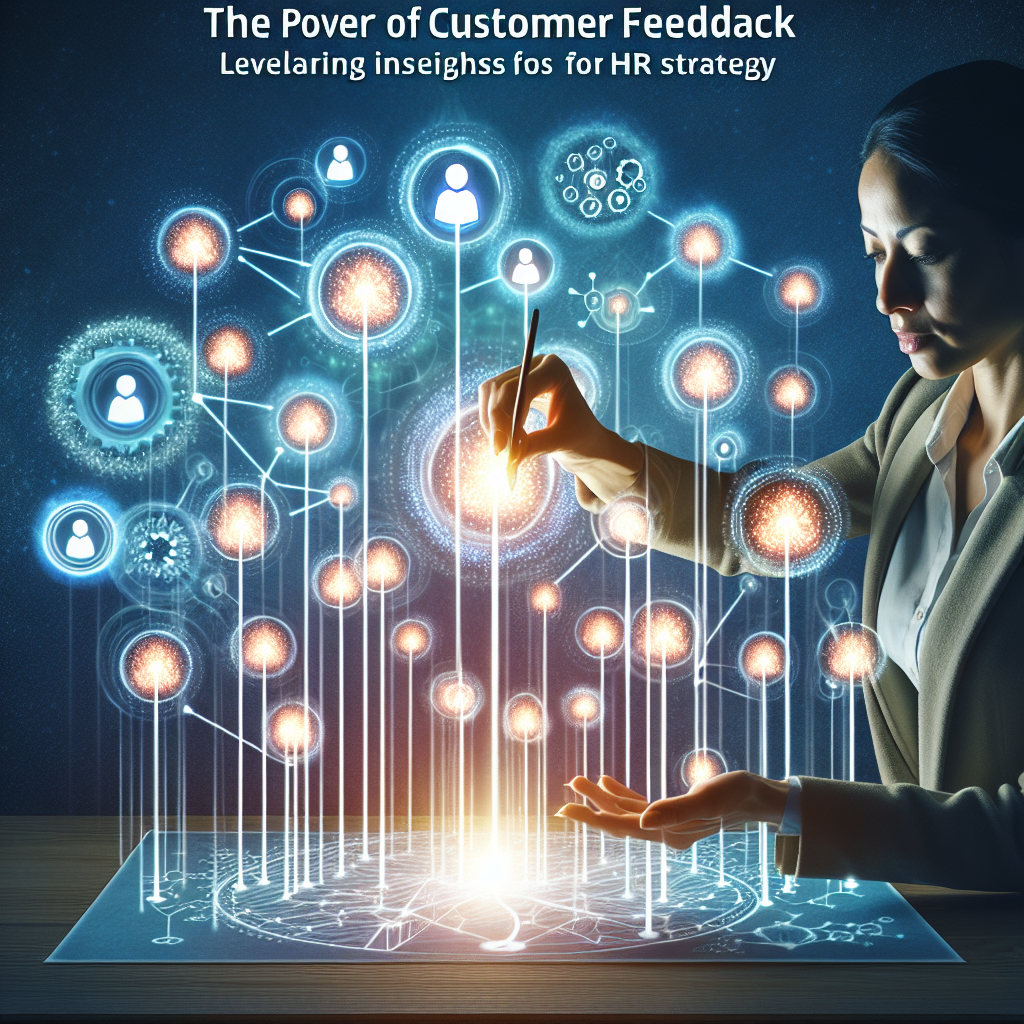
The Power of Customer Feedback: Leveraging Insights for HR Strategy
Understanding Customer Preferences
Customer feedback is a valuable tool for HR departments looking to improve employee satisfaction and retention. By analyzing customer feedback, HR professionals can gain insights into what customers value most in products or services, which can inform decisions on employee training and development. For example, if customers consistently praise a company’s responsiveness to their needs, HR may decide to implement customer service training programs for employees to enhance their communication skills.
Moreover, customer feedback can help HR teams identify areas for improvement within the organization. By listening to customer complaints or suggestions, HR can pinpoint weaknesses in processes or policies that may be affecting employee morale. This feedback can then be used to implement changes that will create a more positive work environment and ultimately lead to better customer experiences.
By leveraging customer insights, HR can align its strategies with the needs and expectations of customers, ultimately driving business success. For example, if customers value innovation and creativity in products, HR may focus on hiring employees with strong problem-solving skills and a passion for innovation to ensure that the company continues to meet customer expectations.
Overall, customer feedback is a powerful tool that HR departments can use to inform their strategies and improve employee engagement, ultimately leading to better business outcomes.
Enhancing Employee Performance
Customer feedback can also be used to enhance employee performance by providing valuable insights into areas where employees excel and where they may need improvement. For example, if customers consistently praise a specific employee for their exceptional customer service skills, HR can recognize and reward that employee for their outstanding performance, motivating them to continue delivering exceptional service.
Conversely, if customers provide feedback about a particular employee’s poor performance, HR can use this information to provide targeted training or coaching to help the employee improve. By addressing performance issues proactively based on customer feedback, HR can help employees reach their full potential and contribute to the overall success of the organization.
Additionally, customer feedback can be used to set performance goals and expectations for employees. By aligning performance metrics with customer feedback, HR can ensure that employees are focused on delivering the best possible customer experience, leading to increased customer satisfaction and loyalty.
Overall, leveraging customer insights can help HR departments create a culture of continuous improvement and excellence, leading to higher employee performance and better business results.
Driving Organizational Change
Customer feedback can serve as a catalyst for organizational change by highlighting areas where the company may need to adapt or evolve to better meet customer needs. For example, if customers consistently provide feedback about the need for more environmentally friendly products, HR may work with product development teams to create sustainable products that align with customer preferences.
Moreover, customer feedback can help HR teams identify trends and patterns that may indicate larger systemic issues within the organization. By analyzing feedback data over time, HR can spot recurring themes or issues that need to be addressed at a deeper level, such as poor communication between departments or a lack of diversity and inclusion in the workplace.
By using customer insights to drive organizational change, HR can foster a culture of innovation and adaptability within the organization, ensuring that the company remains competitive and responsive to customer needs. This proactive approach to change management can help companies stay ahead of the curve and maintain a strong competitive advantage in the market.
In conclusion, customer feedback is a valuable resource that HR departments can tap into to drive organizational change, improve employee performance, and enhance business success. By listening to customers and using their insights to inform HR strategies, companies can create a more customer-centric culture that delivers exceptional value and experiences to customers.
Understanding Customer Behavior: How HR Can Drive Business Growth

The Role of HR in Understanding Customer Behavior
Human Resources (HR) plays a critical role in understanding customer behavior and driving business growth. By closely monitoring employee engagement, satisfaction, and performance, HR can gain valuable insights into how employees interact with customers. For example, if HR notices a drop in employee morale, it can investigate if this is impacting customer service levels.
Furthermore, HR can use data analytics to track customer feedback and preferences, which can inform training programs for employees. By understanding customer behavior, HR can tailor recruitment strategies to attract candidates who align with the company’s customer-centric values.
One real-life example of HR driving business growth through understanding customer behavior is at Zappos. The online shoe retailer has a strong company culture focused on delivering exceptional customer service. HR plays a key role in hiring employees who embody this culture, resulting in high levels of customer satisfaction and repeat business.
Overall, HR can act as a bridge between employees and customers, using insights to drive business growth and enhance customer experience.
Implementing Customer-Centric HR Strategies
To effectively drive business growth through understanding customer behavior, HR must implement customer-centric strategies throughout the organization. This includes aligning employee goals with customer satisfaction metrics, providing ongoing training on customer service best practices, and fostering a culture of empathy and understanding towards customers.
One way HR can implement customer-centric strategies is by conducting regular employee feedback surveys to gauge their understanding of customer needs and pain points. This information can then be used to tailor training programs and performance evaluations to ensure employees are equipped to meet customer expectations.
Another example of implementing customer-centric HR strategies is at Amazon. The e-commerce giant has a strong focus on customer obsession, with HR playing a key role in hiring and training employees to prioritize customer satisfaction. This customer-centric approach has been a driving force behind Amazon’s success and growth.
By implementing customer-centric HR strategies, organizations can create a strong foundation for driving business growth through a deep understanding of customer behavior.
Measuring the Impact of HR on Business Growth
It is essential for HR to measure the impact of its efforts on driving business growth through understanding customer behavior. This can be done through key performance indicators (KPIs) such as customer satisfaction scores, employee engagement levels, and revenue growth directly attributed to HR initiatives.
By analyzing these metrics, HR can identify areas for improvement and make data-driven decisions to enhance its impact on business growth. For example, if customer satisfaction scores are low, HR can implement targeted training programs to improve employee interactions with customers.
One company that excels at measuring the impact of HR on business growth through understanding customer behavior is Starbucks. The coffee chain regularly tracks customer satisfaction levels and employee engagement, using this data to optimize its HR strategies and drive business growth.
By measuring the impact of HR on business growth, organizations can continuously improve their customer-centric initiatives and drive long-term success.
Analyzing Customer Data: A Strategic Approach for HR Professionals

The Importance of Customer Data Analysis
Customer data analysis is a crucial aspect of business success, especially for HR professionals looking to optimize their workforce strategies. By analyzing customer data, HR professionals can gain valuable insights into the needs and preferences of their target audience, allowing them to tailor their recruitment, training, and retention strategies accordingly.
For example, a retail company may use customer data analysis to identify trends in consumer behavior, such as preferred shopping channels or product preferences. This information can then be used by HR professionals to recruit employees with the right skills and attributes to meet these specific customer needs.
Furthermore, customer data analysis can also help HR professionals track the effectiveness of their workforce strategies over time. By comparing employee performance data with customer satisfaction metrics, HR professionals can identify areas for improvement and make data-driven decisions to enhance employee engagement and productivity.
In today’s competitive business landscape, customer data analysis is no longer a luxury but a necessity for HR professionals looking to stay ahead of the curve. By harnessing the power of customer insights, HR professionals can drive business success and create a more engaged and productive workforce.
Tools and Techniques for Customer Data Analysis
There are a variety of tools and techniques available to HR professionals for analyzing customer data effectively. One popular tool is customer relationship management (CRM) software, which allows HR professionals to track and manage customer interactions across various touchpoints.
Another useful technique for customer data analysis is sentiment analysis, which involves analyzing customer feedback and social media interactions to gauge customer sentiment towards a company or product. By leveraging sentiment analysis tools, HR professionals can gain valuable insights into customer attitudes and preferences, which can inform their workforce strategies.
Data visualization tools, such as dashboards and heatmaps, can also be valuable for HR professionals looking to make sense of complex customer data. These tools allow HR professionals to visualize trends and patterns in customer behavior, making it easier to identify opportunities for improvement and optimization.
Ultimately, the key to effective customer data analysis lies in choosing the right tools and techniques that align with your business objectives and data goals. By investing in the right tools and techniques, HR professionals can unlock the full potential of customer data and drive business success.
Challenges and Considerations in Customer Data Analysis
While customer data analysis can provide valuable insights for HR professionals, it also comes with its own set of challenges and considerations. One common challenge is data quality, as inaccurate or incomplete data can lead to misleading insights and poor decision-making.
Privacy and compliance are also important considerations when analyzing customer data, as HR professionals must ensure that they are following all relevant regulations and guidelines when collecting and analyzing customer information. Failure to comply with data privacy laws can result in severe penalties and damage to a company’s reputation.
Another challenge in customer data analysis is the sheer volume of data available, which can be overwhelming for HR professionals to process and analyze effectively. By implementing data management strategies and leveraging automation tools, HR professionals can streamline the data analysis process and extract actionable insights more efficiently.
Despite these challenges, the benefits of customer data analysis far outweigh the risks, making it a valuable tool for HR professionals looking to drive business success and optimize their workforce strategies. By addressing these challenges and considerations head-on, HR professionals can harness the power of customer insights and stay ahead of the competition.
Understanding Customer Behavior
Utilizing Data Analytics
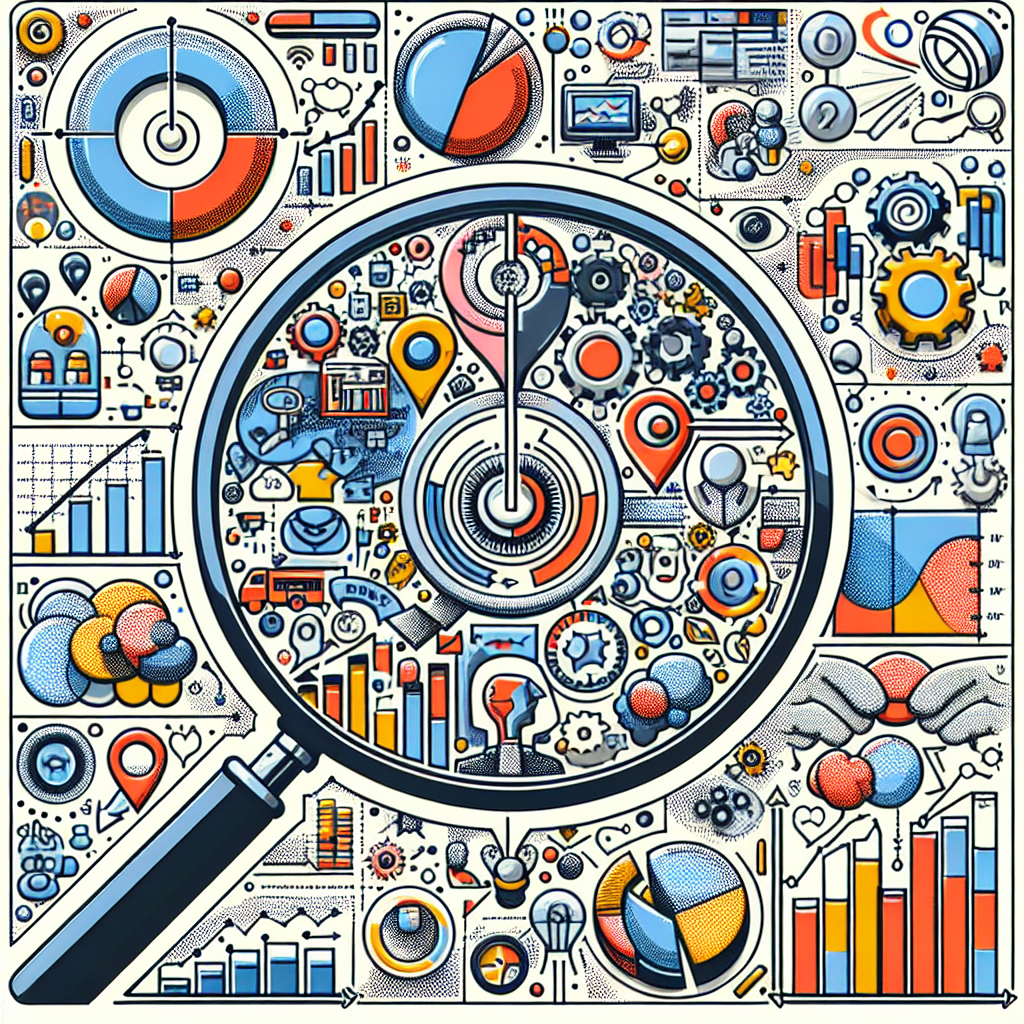
One of the most effective ways to understand customer preferences is by utilizing data analytics. By analyzing customer data such as purchase history, browsing behavior, and demographic information, HR can gain valuable insights into what customers want and need. For example, a retail company may use data analytics to track which products are most popular among different customer segments, allowing HR to tailor employee training programs to focus on selling those products.
Data analytics can also help HR identify trends and patterns in customer behavior. By spotting trends early on, HR can proactively adjust employee programs to meet changing customer preferences. For instance, a hotel chain may notice an increase in demand for eco-friendly amenities and adjust employee training to focus on promoting those offerings to guests.
Overall, data analytics provides HR with the information they need to make informed decisions about employee programs that align with customer preferences and drive business success.
Conducting Customer Surveys
In addition to data analytics, conducting customer surveys is another valuable tool for understanding customer preferences. Surveys allow HR to directly ask customers for feedback on their experiences with the company, products, and services. For example, a software company may send out a survey to customers to gather feedback on the usability of their product, which can then inform employee training programs on how to better assist customers with technical issues.
Customer surveys can also help HR uncover new opportunities for improvement and innovation. By asking customers open-ended questions about their needs and desires, HR can gain valuable insights that can be used to develop new employee programs that meet those needs. For instance, a restaurant chain may discover through surveys that customers are looking for healthier menu options, prompting HR to create training programs focused on promoting those choices to diners.
Overall, customer surveys provide HR with direct feedback from customers that can be used to tailor employee programs to better meet customer preferences and drive business growth.
Utilizing Customer Insights for Employee Engagement and Retention

Creating a Customer-Centric Culture
One of the key ways to use customer insights for employee engagement and retention is by fostering a customer-centric culture within the organization. When employees understand the needs and preferences of customers, they are more likely to feel connected to the organization’s mission and values. This connection can lead to increased job satisfaction and lower turnover rates.
For example, Zappos, the online shoe and clothing retailer, is known for its customer-centric culture. The company encourages employees to go above and beyond to satisfy customers, which has led to high levels of employee engagement and retention. By using customer insights to guide their actions, Zappos employees feel empowered and valued, which in turn boosts morale and loyalty.
By incorporating customer feedback into employee training programs and performance evaluations, organizations can reinforce the importance of customer satisfaction and create a more customer-focused workforce. This not only improves employee engagement but also enhances the overall customer experience, leading to increased loyalty and retention.
Ultimately, a customer-centric culture helps employees see the direct impact of their work on customer satisfaction, which can be a powerful motivator for engagement and retention.
Personalizing Employee Development
Another way to leverage customer insights for employee engagement and retention is by personalizing employee development programs based on customer feedback. By analyzing customer preferences and behaviors, organizations can identify skills and competencies that are most valued by customers and tailor training and development initiatives accordingly.
For instance, Starbucks uses customer insights to inform its barista training programs. By understanding customer preferences for quality coffee and personalized service, Starbucks can train employees to deliver a superior customer experience that aligns with customer expectations. This not only enhances customer satisfaction but also increases employee engagement and retention as employees feel supported and equipped to meet customer needs.
By incorporating customer insights into employee development plans, organizations can align employee skills and capabilities with customer expectations, leading to improved performance and job satisfaction. This personalized approach to employee development can boost morale, productivity, and retention rates in the long run.
Ultimately, by using customer insights to tailor employee development programs, organizations can create a more engaged and skilled workforce that is better equipped to meet customer demands and drive business success.
Recognizing and Rewarding Customer-Centric Behaviors
Recognizing and rewarding employees for demonstrating customer-centric behaviors is essential for fostering a culture of engagement and retention. By acknowledging and celebrating employees who go above and beyond to satisfy customers, organizations can reinforce the importance of customer satisfaction and inspire others to follow suit.
For example, Amazon rewards employees who demonstrate exceptional customer service with its “Customer Obsession Award.” This recognition program not only motivates employees to prioritize customer satisfaction but also reinforces the company’s commitment to delivering exceptional customer experiences. By leveraging customer insights to identify and reward customer-centric behaviors, Amazon has been able to maintain high levels of employee engagement and retention.
By incorporating customer feedback into performance evaluations and recognition programs, organizations can reinforce the link between employee actions and customer satisfaction. This not only boosts morale and motivation but also creates a culture of excellence and accountability that drives employee engagement and retention.
Ultimately, by recognizing and rewarding customer-centric behaviors, organizations can create a more engaged and loyal workforce that is committed to delivering outstanding customer experiences and driving business growth.
Harnessing Customer Feedback: Enhancing HR Practices for Success

The Power of Customer Feedback in HR Decision Making
Customer feedback is a valuable tool that can be leveraged by HR departments to make informed decisions and drive organizational success. By listening to what customers have to say about their experiences with a company, HR professionals can gain insights into areas that need improvement and areas of strength. For example, if customers consistently complain about long wait times when calling customer service, HR can take action to improve training for call center representatives or invest in new technology to reduce wait times.
Moreover, customer feedback can also help HR departments identify trends and patterns that can inform their strategic planning. By analyzing feedback data, HR professionals can anticipate future needs and preferences of customers, allowing them to proactively develop HR practices that align with customer expectations. This proactive approach can give companies a competitive edge in the market and enhance overall customer satisfaction.
Overall, incorporating customer feedback into HR decision making processes can lead to more customer-centric practices, increased employee engagement, and improved business performance.
Implementing Feedback Loops for Continuous Improvement
One effective way to harness customer feedback for enhancing HR practices is by implementing feedback loops within the organization. Feedback loops allow HR departments to gather, analyze, and act on customer feedback in a systematic and continuous manner. For example, HR can set up regular surveys or feedback mechanisms to collect customer insights on various aspects of the employee experience, such as recruitment, onboarding, training, and performance management.
By establishing feedback loops, HR professionals can track trends over time, identify areas for improvement, and measure the impact of HR initiatives on customer satisfaction. This iterative process of collecting feedback, implementing changes, and measuring results can help HR departments continuously improve their practices and drive business success.
Furthermore, feedback loops can also foster a culture of openness and transparency within the organization, as employees are encouraged to share their feedback and suggestions for improvement. This collaborative approach can lead to greater employee engagement, increased productivity, and a stronger alignment between HR practices and customer expectations.
Case Study: Starbucks’ Customer Feedback-driven HR Practices
One notable example of a company that has successfully leveraged customer feedback to enhance HR practices is Starbucks. The coffee giant has a robust feedback system in place that allows customers to provide feedback on various aspects of their experience, including the service provided by baristas, the quality of the coffee, and the cleanliness of the store.
Starbucks uses this feedback to inform its HR practices, such as employee training programs, performance evaluations, and recognition initiatives. For example, if customers consistently praise a particular barista for their exceptional customer service, Starbucks may recognize and reward that employee for their efforts. Similarly, if customers complain about long wait times, Starbucks may invest in additional training for baristas to improve efficiency.
By incorporating customer feedback into its HR practices, Starbucks has been able to create a customer-centric culture that is reflected in the overall customer experience. This approach has helped Starbucks build a loyal customer base, drive business growth, and maintain its position as a leader in the coffee industry.
Leveraging Customer Insights for Recruitment and Talent Management in HR

The Power of Customer Feedback in Recruitment
Customer feedback is a valuable tool that can inform recruitment strategies and help HR teams attract top talent. By analyzing customer feedback, organizations can gain insights into the qualities and skills that customers value most in employees. For example, a retail company may discover through customer feedback that excellent communication skills and a strong customer service orientation are key attributes for success in their industry.
Using this information, HR can tailor job descriptions and interview questions to highlight these desired qualities, increasing the likelihood of hiring candidates who are a good fit for the organization. In addition, customer feedback can also help HR identify gaps in the current workforce and develop targeted recruitment strategies to address these gaps.
Moreover, leveraging customer insights in recruitment can improve employer branding by showcasing the organization’s commitment to meeting customer needs and expectations. This can attract candidates who are aligned with the company’s values and mission, leading to higher employee engagement and retention rates.
Overall, incorporating customer feedback into recruitment processes can help organizations build a strong and talented workforce that is capable of delivering exceptional customer experiences.
Utilizing Customer Data for Talent Management
Customer data can also play a crucial role in talent management by providing HR teams with valuable insights into employee performance and development opportunities. By analyzing customer interactions and feedback, organizations can identify high-performing employees who consistently deliver excellent customer service and drive business results.
For example, a hospitality company may use customer satisfaction scores to identify employees who consistently receive positive feedback from guests. These employees can be recognized and rewarded for their outstanding performance, motivating them to continue delivering exceptional service.
Conversely, customer feedback can also highlight areas for improvement and development among employees. By identifying performance gaps and training needs, HR can create personalized development plans to help employees enhance their skills and capabilities.
By leveraging customer data for talent management, organizations can foster a culture of continuous learning and improvement, leading to higher employee engagement and retention rates.
Case Study: Starbucks
Starbucks is a prime example of a company that successfully leverages customer insights for recruitment and talent management. The coffee giant uses customer feedback to inform its hiring process, focusing on qualities such as friendliness, attentiveness, and a passion for customer service.
By aligning recruitment practices with customer expectations, Starbucks has been able to build a workforce that is dedicated to providing exceptional customer experiences. In addition, the company uses customer data to identify top-performing employees and provide them with opportunities for career advancement and growth.
Through its focus on customer insights, Starbucks has cultivated a strong employer brand and a culture of excellence that attracts top talent and fosters employee loyalty. This has translated into higher customer satisfaction rates and increased profitability for the company.
Overall, Starbucks serves as a prime example of how organizations can harness customer insights to drive recruitment and talent management strategies for business success.
Conclusion

By harnessing customer insights, businesses can gain a competitive edge and drive success. Understanding the needs and preferences of customers allows companies to tailor their products and services to meet those demands, ultimately leading to increased customer satisfaction and loyalty.
- Customer insights provide valuable information on consumer behavior and trends.
- By analyzing customer data, businesses can make informed decisions on marketing strategies and product development.
- Engaging with customers through surveys, feedback forms, and social media can help businesses gather valuable insights.
Overall, incorporating customer insights into business strategies is crucial for long-term success and growth. By listening to the voice of the customer, companies can stay ahead of the competition and build strong, lasting relationships with their target audience.
Frequently Asked Questions
How can businesses gather customer insights?
Businesses can gather customer insights through various methods such as surveys, interviews, feedback forms, social media monitoring, and data analytics.
Why are customer insights important for business success?
Customer insights provide valuable information about customer needs, preferences, and behavior, which can help businesses improve their products, services, and marketing strategies to better meet customer expectations and stay ahead of competitors.
How can businesses use customer insights to enhance customer experience?
Businesses can use customer insights to personalize their products and services, tailor their marketing campaigns, and provide better customer support, all of which can lead to a more positive and engaging customer experience.
What are some common challenges businesses face when harnessing customer insights?
Some common challenges include collecting and analyzing large amounts of data, interpreting customer feedback accurately, and staying updated with changing customer preferences and trends.
How often should businesses gather and analyze customer insights?
Businesses should regularly gather and analyze customer insights to stay informed about changing customer needs and preferences. The frequency can vary depending on the business size, industry, and customer base, but it’s recommended to conduct regular assessments at least quarterly or bi-annually.
Leave a Reply