


In today’s rapidly evolving world, the traditional methods of education are no longer sufficient to prepare students for the challenges of the future. As technology continues to advance at an unprecedented pace, it is essential for educational institutions to embrace digital learning in order to equip students with the skills they need to succeed in the 21st century.
This article explores the benefits of digital learning and how it can revolutionize the way we educate our children. From online courses and virtual classrooms to interactive multimedia resources and personalized learning experiences, digital learning offers a wealth of opportunities for students to learn in a more engaging and effective manner.
By harnessing the power of technology, educators can create dynamic and interactive lessons that cater to the diverse needs and learning styles of each student. Digital learning also allows for greater collaboration and communication between students and teachers, breaking down the barriers of traditional education and fostering a more inclusive and engaging learning environment.
Join us as we delve into the future of education and discover how embracing digital learning can pave the way for success in the years to come. The time to embrace the digital revolution in education is now!
The Impact of Digital Learning on Employee Training and Development

Accessibility and Flexibility
Digital learning has revolutionized employee training and development by making it more accessible and flexible than ever before. Employees can now access training materials anytime, anywhere, allowing them to learn at their own pace and on their own schedule. This flexibility is particularly beneficial for remote workers or employees with busy schedules who may not be able to attend traditional in-person training sessions.
For example, multinational corporations like IBM have implemented digital learning platforms that offer a wide range of training courses to employees around the world. This has allowed them to reach a larger audience and provide consistent training experiences across different locations.
Moreover, digital learning tools such as webinars, online courses, and virtual reality simulations have made it easier for employees to engage with and retain information. Interactive elements like quizzes, videos, and gamification can enhance the learning experience and make training more engaging and effective.
Overall, the accessibility and flexibility of digital learning have transformed employee training and development, making it more convenient, engaging, and effective for organizations and their employees.
Cost-Effectiveness and Scalability
One of the key advantages of digital learning for employee training and development is its cost-effectiveness and scalability. Traditional in-person training sessions can be expensive to organize and deliver, especially for large organizations with multiple locations. Digital learning eliminates the need for travel, accommodation, and venue costs, making it a more affordable option for training employees.
For instance, companies like Google have developed their own online learning platforms that offer a wide range of courses to employees at a fraction of the cost of traditional training programs. This scalability allows organizations to train large numbers of employees simultaneously and ensures consistent and standardized training experiences across the board.
Additionally, digital learning enables organizations to track and measure the effectiveness of their training programs through analytics and reporting tools. This data can help identify areas for improvement, monitor employee progress, and measure the impact of training on performance and productivity.
In conclusion, the cost-effectiveness and scalability of digital learning make it an attractive option for organizations looking to maximize the impact of their employee training and development programs.
Employee Engagement and Retention
Digital learning has a significant impact on employee engagement and retention by providing personalized and interactive learning experiences that cater to individual needs and preferences. Employees are more likely to be engaged and motivated to learn when they have access to relevant, engaging, and interactive training materials that are tailored to their learning styles.
For example, companies like Amazon use personalized learning paths and adaptive learning technologies to deliver customized training content to employees based on their skills, interests, and job roles. This approach helps employees stay engaged and motivated to learn, leading to higher levels of retention and job satisfaction.
Furthermore, digital learning encourages collaboration and knowledge sharing among employees through online forums, discussion boards, and social learning platforms. This fosters a culture of continuous learning and professional development within organizations, leading to higher levels of employee engagement and retention.
Overall, the personalized and interactive nature of digital learning makes it a powerful tool for enhancing employee engagement and retention, ultimately leading to a more skilled, motivated, and loyal workforce.
Leveraging Online Platforms for Continuous Learning in the Workplace

The Rise of Online Learning Platforms
In today’s fast-paced world, continuous learning has become a necessity for staying competitive in the workplace. Online learning platforms have revolutionized the way employees acquire new skills and knowledge. Platforms like Coursera, Udemy, and LinkedIn Learning offer a wide range of courses on various topics, allowing employees to upskill and reskill at their own pace.
One of the key advantages of online learning platforms is their flexibility. Employees can access courses anytime, anywhere, making it easier to fit learning into their busy schedules. This accessibility has democratized education, allowing individuals from all backgrounds to enhance their skills and advance their careers.
Furthermore, online learning platforms often provide interactive and engaging learning experiences. From video lectures to quizzes and assignments, these platforms use a variety of tools to keep learners motivated and focused. As a result, employees are more likely to retain the information they’ve learned and apply it in real-world scenarios.
Overall, the rise of online learning platforms has transformed the way companies approach employee development. By leveraging these platforms, organizations can create a culture of continuous learning and adaptability, ensuring their workforce remains competitive in the ever-evolving business landscape.
Personalized Learning Experiences
One of the key benefits of online learning platforms is their ability to provide personalized learning experiences. Through the use of algorithms and data analytics, these platforms can recommend courses based on an individual’s interests, skills, and learning objectives. This tailored approach ensures that employees receive relevant and engaging content that meets their specific needs.
For example, platforms like Khan Academy use adaptive learning technology to assess a learner’s progress and adjust the difficulty of the material accordingly. This personalized feedback helps employees stay challenged and motivated, ultimately leading to better learning outcomes.
Moreover, online platforms often offer a variety of learning formats, such as videos, podcasts, and interactive simulations, allowing employees to choose the format that best suits their learning style. This flexibility ensures that learners can engage with the material in a way that is most effective for them, leading to improved retention and application of knowledge.
By providing personalized learning experiences, online platforms empower employees to take ownership of their development and pursue learning opportunities that align with their career goals and aspirations.
Collaborative Learning and Knowledge Sharing
Online learning platforms also facilitate collaborative learning and knowledge sharing among employees. Many platforms offer discussion forums, group projects, and peer-to-peer feedback features that encourage learners to interact with one another and share their insights and experiences.
For instance, platforms like Skillshare enable users to join communities of like-minded individuals who are interested in similar topics. These communities provide a space for learners to ask questions, share resources, and collaborate on projects, fostering a sense of camaraderie and support.
In addition, some online platforms offer virtual classrooms and webinars where employees can engage in live discussions with instructors and fellow learners. This real-time interaction allows for immediate feedback and clarification of concepts, enhancing the learning experience and promoting deeper understanding.
Through collaborative learning and knowledge sharing, employees can leverage the collective expertise of their peers, gain new perspectives, and develop a strong network of professional connections that can support their growth and development in the workplace.
Measuring Learning Impact and ROI
One of the challenges organizations face when implementing online learning platforms is measuring the impact of learning initiatives and assessing the return on investment (ROI). However, many platforms offer tools and features that allow companies to track employee progress, engagement levels, and skill development over time.
For example, platforms like Degreed provide analytics dashboards that show the completion rates of courses, the skills employees have acquired, and the impact of learning on key performance indicators. These insights help organizations identify trends, gaps, and areas for improvement in their learning programs.
Moreover, some platforms offer certification programs and assessments that validate the skills employees have gained through online courses. By earning certifications, employees can demonstrate their expertise to their peers and managers, enhancing their credibility and career prospects.
Overall, by leveraging the data and analytics provided by online learning platforms, organizations can measure the effectiveness of their learning initiatives, demonstrate the value of continuous learning to stakeholders, and make informed decisions to optimize their training programs for maximum impact and ROI.
The Role of Artificial Intelligence in HR Training Programs

Enhancing Personalized Learning Experiences
Artificial Intelligence (AI) is revolutionizing HR training programs by providing personalized learning experiences tailored to each employee’s needs and learning style. AI algorithms analyze employees’ performance data, feedback, and preferences to create customized training modules. For example, IBM’s Watson Talent uses AI to identify skill gaps and recommend personalized learning paths for employees based on their job roles and career goals.
By delivering targeted training content, AI helps employees acquire new skills more efficiently and effectively. This personalized approach not only increases employee engagement but also boosts retention rates as employees feel valued and supported in their professional development. As a result, companies can see a significant improvement in overall performance and productivity.
Moreover, AI-powered virtual assistants like Chatbots provide instant support and guidance to employees during their training programs. These virtual assistants can answer questions, provide feedback, and offer additional resources, enhancing the learning experience and promoting continuous learning and development.
Overall, AI is transforming HR training programs by making learning more personalized, engaging, and effective, ultimately leading to a more skilled and motivated workforce.
Improving Training Content and Delivery
AI is also revolutionizing the creation and delivery of training content in HR programs. By analyzing vast amounts of data, AI can identify trends and insights that help HR professionals design relevant and engaging training materials. For example, AI-powered tools like Cognizant’s Intelligent Learning Experience Platform use natural language processing to analyze employee feedback and create dynamic, interactive training content.
AI algorithms can also personalize the delivery of training content based on employees’ preferences and learning styles. For instance, AI can recommend the best format (e.g., video, text, interactive simulations) and timing (e.g., morning, afternoon, evening) for delivering training modules to maximize engagement and retention.
Furthermore, AI-enabled tools like virtual reality (VR) and augmented reality (AR) are being used to create immersive and interactive training experiences. For example, Walmart utilizes VR technology to simulate real-life scenarios for employee training, such as customer interactions and emergency procedures, improving learning outcomes and performance on the job.
Overall, AI is enhancing the quality and effectiveness of training content and delivery in HR programs, making learning more engaging, relevant, and impactful for employees.
Tracking and Analyzing Training Performance
AI plays a crucial role in tracking and analyzing employee performance during training programs. By collecting and analyzing data on employees’ progress, engagement, and performance, AI can provide valuable insights to HR professionals to optimize training programs and improve learning outcomes.
For example, AI-powered analytics tools like Cornerstone OnDemand’s Learning Suite use machine learning algorithms to track employees’ learning progress and performance metrics in real-time. These tools can identify areas where employees are struggling and provide targeted interventions to help them overcome challenges and succeed in their training.
AI can also predict future training needs based on employees’ performance data and career aspirations. By analyzing historical data and trends, AI algorithms can recommend additional training opportunities, certifications, or skill development programs to help employees advance in their careers and meet organizational goals.
Overall, AI enables HR professionals to make data-driven decisions and continuously improve training programs to ensure employees’ development and success in the workplace.
Addressing the Skills Gap Through Online Learning Initiatives

Importance of Online Learning in Closing the Skills Gap
In today’s rapidly changing job market, the skills gap has become a major concern for employers and employees alike. Online learning initiatives have emerged as a valuable tool in addressing this gap by providing individuals with the opportunity to acquire new skills and knowledge in a flexible and accessible manner. By offering a wide range of courses and programs, online learning platforms cater to the diverse needs of learners and help bridge the gap between the skills required by employers and those possessed by job seekers.
One example of a successful online learning initiative is Coursera, a platform that partners with universities and organizations to offer online courses in various fields. Coursera’s courses are designed to be self-paced, allowing learners to study at their own convenience and acquire new skills without disrupting their work or personal commitments. This flexibility makes online learning an attractive option for individuals looking to upskill or reskill in order to remain competitive in the job market.
Moreover, online learning initiatives often use innovative technologies such as virtual reality and artificial intelligence to enhance the learning experience and provide learners with hands-on practice in a virtual environment. These interactive features help learners develop practical skills that are in high demand by employers, making online learning a valuable tool in closing the skills gap.
Overall, the importance of online learning in closing the skills gap cannot be overstated. By providing individuals with the opportunity to acquire new skills and knowledge in a flexible and accessible manner, online learning initiatives play a crucial role in preparing the workforce for the challenges of the future.
Challenges and Opportunities in Implementing Online Learning Initiatives
While online learning initiatives hold great promise in addressing the skills gap, they also face several challenges that need to be overcome in order to maximize their impact. One of the key challenges is ensuring the quality and relevance of online courses, as the rapid pace of technological advancements requires constant updating of course content to reflect the latest trends and developments in the industry.
Another challenge is ensuring the accessibility of online learning platforms to individuals from diverse backgrounds and socioeconomic status. In order to truly address the skills gap, online learning initiatives need to be accessible to all individuals, regardless of their geographical location or financial resources. This requires investment in infrastructure and resources to ensure that everyone has the opportunity to benefit from online learning.
Despite these challenges, online learning initiatives also present numerous opportunities for individuals and organizations to thrive in the digital age. By leveraging online platforms, individuals can gain access to a wealth of knowledge and resources that can help them advance their careers and reach their full potential. Organizations, on the other hand, can use online learning initiatives to train their employees and foster a culture of continuous learning and innovation.
In conclusion, while implementing online learning initiatives may pose challenges, the opportunities they offer in closing the skills gap far outweigh the obstacles. By embracing digital learning, individuals and organizations can equip themselves with the skills and knowledge needed to succeed in today’s competitive job market.
Future Trends in Online Learning Initiatives
The future of online learning initiatives holds exciting possibilities for individuals seeking to enhance their skills and knowledge in a rapidly evolving world. One emerging trend is the rise of microlearning, which involves breaking down complex topics into bite-sized modules that can be easily consumed by learners. This approach allows individuals to learn at their own pace and focus on specific skills that are relevant to their goals and interests.
Another trend is the increasing use of gamification in online learning, where elements of game design are incorporated into educational content to make learning more engaging and interactive. By introducing challenges, rewards, and competition, gamified online courses motivate learners to stay engaged and motivated throughout their learning journey.
Furthermore, the integration of artificial intelligence in online learning platforms is expected to revolutionize the way individuals acquire new skills and knowledge. AI-powered tools can personalize the learning experience for each individual, providing targeted recommendations and feedback to help learners maximize their potential and achieve their learning goals.
Overall, the future of online learning initiatives is bright, with emerging trends such as microlearning, gamification, and AI poised to transform the way individuals acquire new skills and knowledge. By embracing these trends, individuals can stay ahead of the curve and thrive in a rapidly changing job market.
Best Practices for Implementing a Digital Learning Strategy in HR

Set Clear Learning Objectives
Before rolling out a digital learning strategy in HR, it is crucial to establish clear learning objectives. Identify the skills and knowledge gaps within the organization and tailor the digital learning programs to address those specific needs. For example, if the HR team lacks proficiency in data analytics, create a digital course focused on this topic.
Moreover, ensure that the learning objectives align with the overall goals of the HR department and the organization. By setting clear objectives, employees will have a better understanding of what is expected of them and how the digital learning initiatives will contribute to their professional development.
Regularly review and update the learning objectives to stay relevant in a rapidly changing business environment. Solicit feedback from employees to ensure that the digital learning programs are meeting their needs and helping them achieve their career goals.
Remember, clear learning objectives are the foundation of a successful digital learning strategy in HR.
Engage Employees Through Interactive Content
One of the key advantages of digital learning is the ability to create engaging and interactive content that captures the attention of employees. Incorporate multimedia elements such as videos, infographics, and simulations to make the learning experience more dynamic and memorable.
For example, gamification can be an effective strategy to engage employees in the learning process. By incorporating game-like elements such as leaderboards, badges, and rewards, employees are motivated to participate and complete the digital learning modules.
Encourage collaboration and social learning by incorporating discussion forums, group projects, and peer-to-peer feedback mechanisms. This not only enhances the learning experience but also fosters a sense of community and camaraderie among employees.
Remember, interactive content is key to keeping employees engaged and motivated to participate in digital learning initiatives.
Provide Ongoing Support and Feedback
Implementing a digital learning strategy in HR requires ongoing support and feedback mechanisms to ensure its success. Provide employees with access to mentors, coaches, or subject matter experts who can answer questions, provide guidance, and offer support throughout the learning process.
Encourage managers to actively participate in the digital learning initiatives by setting a positive example and providing feedback to their teams. Managers can also help identify additional learning opportunities based on the performance and development needs of their employees.
Implement regular assessments and evaluations to track the progress of employees and measure the effectiveness of the digital learning programs. Use this data to make informed decisions about future learning initiatives and to continuously improve the digital learning strategy in HR.
Remember, ongoing support and feedback are essential components of a successful digital learning strategy in HR.
The Evolution of Virtual Reality in Employee Training
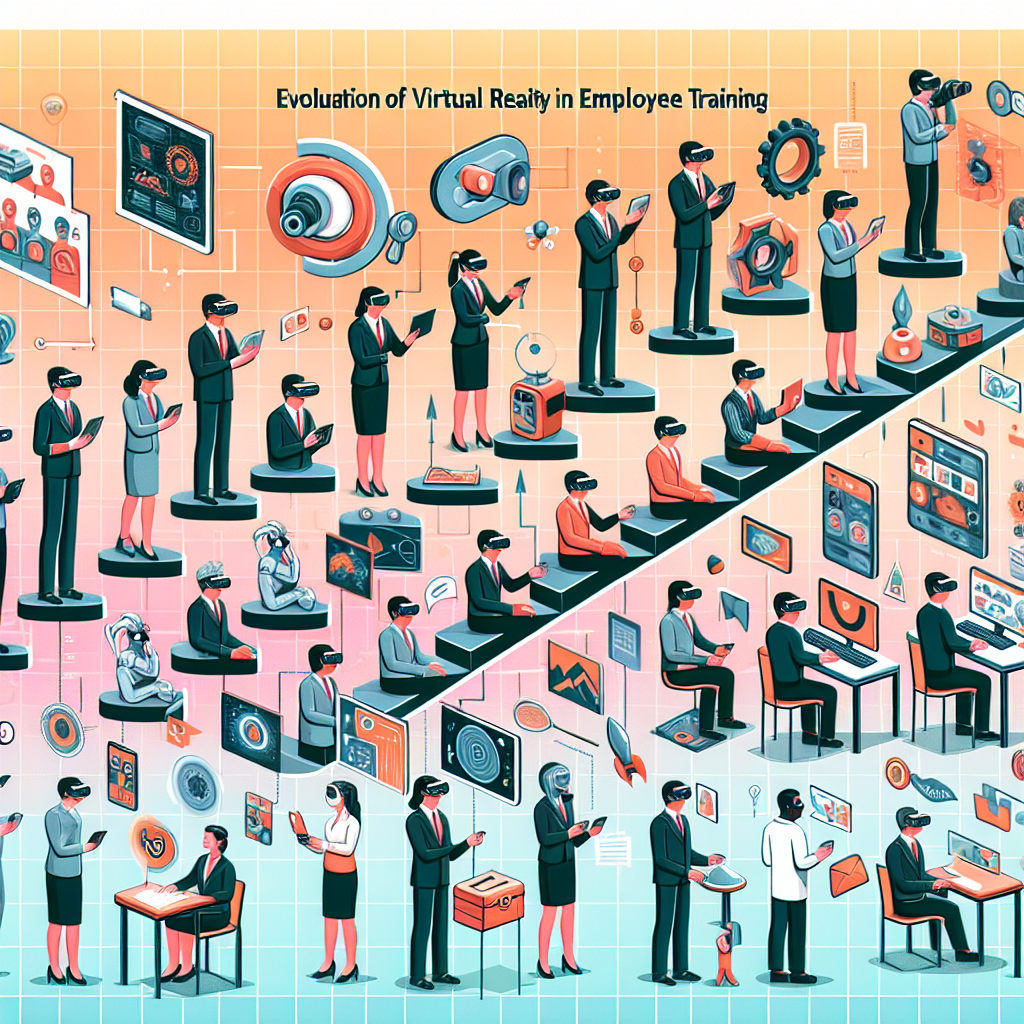
The Beginning of Virtual Reality in Employee Training
Virtual reality (VR) technology has been making its mark in employee training programs for several years now. The concept of using immersive simulations to train employees is not new, but the technology has significantly evolved over time. Early VR training programs were limited in their capabilities, often consisting of simple simulations and basic graphics.
However, as VR technology has advanced, so too have the possibilities for employee training. Companies like Walmart have been using VR headsets to simulate real-world scenarios for their employees, allowing them to practice customer service skills in a safe and controlled environment.
One of the key benefits of VR training is the ability to provide hands-on experience in a virtual setting, allowing employees to learn by doing rather than just reading or watching videos. This hands-on approach can lead to better retention of information and improved performance on the job.
Overall, the beginning of virtual reality in employee training marked a significant shift in how companies approach training programs, moving towards more immersive and interactive learning experiences for employees.
The Rise of VR Technology in Employee Training
In recent years, VR technology has become more accessible and affordable, leading to its widespread adoption in employee training programs across various industries. Companies like UPS have implemented VR training programs to simulate real-world scenarios for their employees, such as driving delivery trucks in different weather conditions or navigating busy city streets.
The rise of VR technology in employee training has also been fueled by the increasing demand for remote training solutions, especially in light of the COVID-19 pandemic. Virtual reality allows companies to provide training to employees no matter where they are located, reducing the need for in-person training sessions and travel expenses.
Moreover, VR technology has proven to be an effective tool for training employees on complex or dangerous tasks, such as operating heavy machinery or handling hazardous materials. By using VR simulations, companies can ensure that employees are well-prepared for any situation they may encounter on the job.
As VR technology continues to advance, we can expect to see even more innovative uses of virtual reality in employee training, revolutionizing the way companies train their workforce for success.
The Future of VR in Employee Training
Looking ahead, the future of virtual reality in employee training holds immense potential for transforming the way companies educate and prepare their workforce. With advancements in VR technology, we can expect to see more realistic and immersive training simulations that closely mimic real-world scenarios.
Companies like Ford have already started using VR technology to train their employees on new vehicle models, allowing them to explore the cars’ features and functions in a virtual environment before they are even produced. This hands-on training approach has been proven to be more engaging and effective than traditional training methods.
Furthermore, the integration of artificial intelligence (AI) and machine learning into VR training programs can provide personalized learning experiences for employees, tailoring the training content to their specific needs and learning styles. This adaptive learning approach can lead to better outcomes and improved performance in the workplace.
Overall, the future of virtual reality in employee training is bright, with endless possibilities for creating engaging, effective, and personalized training experiences that empower employees to succeed in their roles.
Harnessing Data Analytics for Personalized Learning Experiences in HR
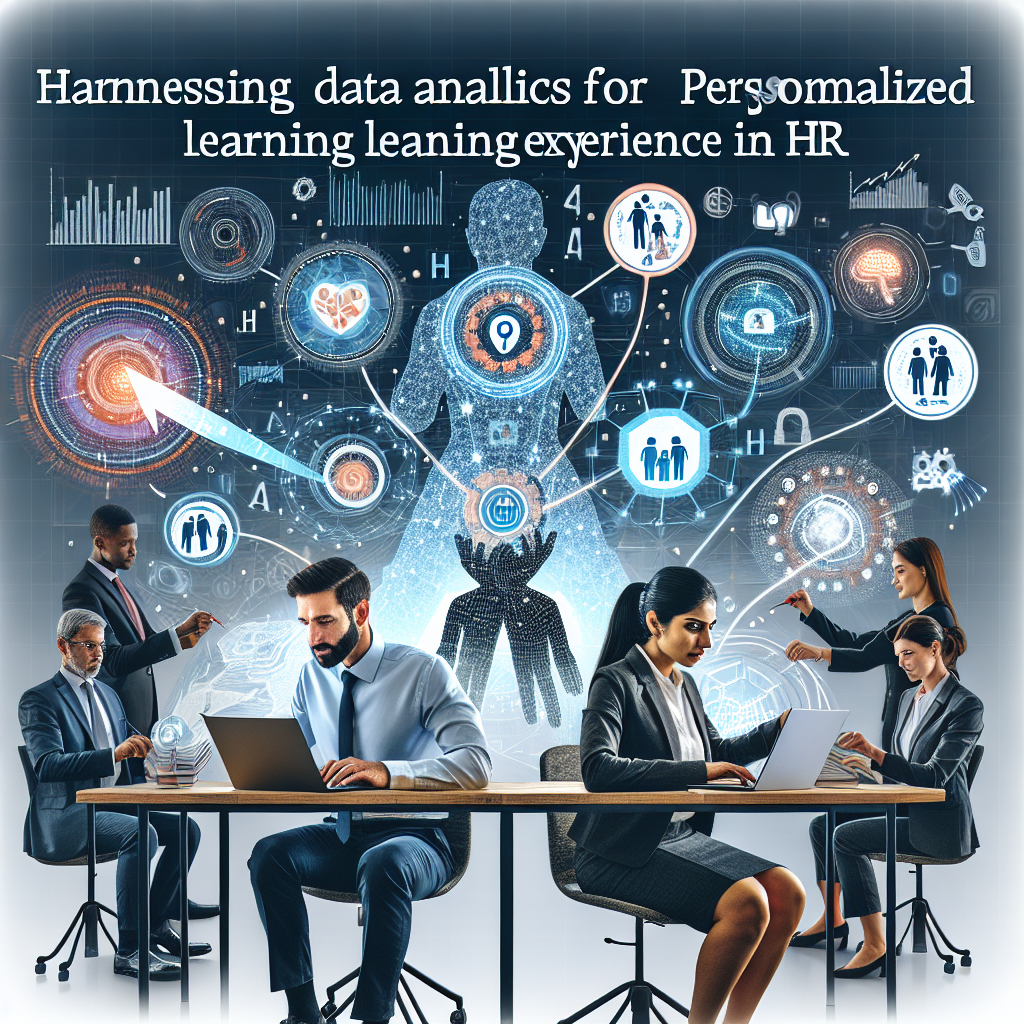
The Power of Data Analytics in Human Resources
Data analytics has revolutionized the way HR professionals approach talent management and employee development. By harnessing the power of data, HR teams can gain valuable insights into employee performance, engagement levels, and training needs. This data-driven approach allows HR to make more informed decisions and create personalized learning experiences for employees.
For example, companies like Google use data analytics to track employee performance and identify areas where additional training or support is needed. By analyzing data on employee interactions with learning materials and performance metrics, HR can tailor training programs to meet individual needs and enhance overall employee development.
Furthermore, data analytics can help HR predict future staffing needs and identify potential skills gaps within the organization. By analyzing historical data on employee turnover rates and performance evaluations, HR can proactively address talent shortages and develop targeted training programs to upskill existing employees.
In conclusion, data analytics has the potential to transform HR practices and create more personalized learning experiences for employees. By leveraging data-driven insights, HR can enhance employee development, improve retention rates, and drive organizational success.
Challenges and Opportunities in Implementing Data Analytics in HR
While data analytics offers numerous benefits for HR, there are also challenges associated with its implementation. One major challenge is the need for HR professionals to have the necessary skills and expertise to analyze and interpret data effectively. Training programs and upskilling initiatives may be required to ensure HR teams can harness the full potential of data analytics.
Another challenge is data privacy and security concerns. HR professionals must ensure that employee data is handled in compliance with data protection regulations to maintain trust and transparency within the organization. Implementing robust data security measures and protocols is essential to safeguard sensitive employee information.
Despite these challenges, the opportunities presented by data analytics in HR are vast. By embracing data-driven decision-making, HR can optimize recruitment processes, improve employee engagement, and enhance training programs. The ability to create personalized learning experiences based on individual employee needs can drive performance and productivity within the organization.
In conclusion, while implementing data analytics in HR may present challenges, the opportunities for improving talent management and creating personalized learning experiences are significant. By overcoming obstacles and leveraging data effectively, HR can revolutionize the way organizations approach employee development and drive success.
Best Practices for Leveraging Data Analytics in HR
To effectively harness the power of data analytics in HR, organizations can follow best practices to maximize the impact of their efforts. One key practice is to establish clear goals and objectives for data analytics initiatives. By defining specific outcomes and metrics for success, HR teams can focus their efforts on areas that will drive the greatest value for the organization.
Another best practice is to invest in the right tools and technologies to support data analytics efforts. From data visualization platforms to predictive analytics software, having the right tools in place can streamline data analysis processes and provide actionable insights for HR decision-making.
Additionally, fostering a data-driven culture within the organization is essential for the success of data analytics initiatives in HR. Encouraging collaboration between HR and other departments, promoting data literacy among employees, and celebrating data-driven successes can help create a culture that values and prioritizes data-driven decision-making.
Overall, by following best practices such as setting clear goals, investing in the right tools, and fostering a data-driven culture, organizations can successfully leverage data analytics in HR to create personalized learning experiences and drive organizational success.
Conclusion
In conclusion, it is clear that digital learning is the future of education. By embracing technology in the classroom, students can access a wealth of resources and opportunities for interactive and personalized learning experiences. As we move forward, it is essential for educators and institutions to adapt to this rapidly changing landscape in order to prepare students for success in the digital age.
- Increased accessibility to education for all students, regardless of location or socioeconomic status
- Enhanced engagement and motivation through interactive and multimedia learning tools
- Opportunities for personalized learning experiences tailored to individual student needs and preferences
Overall, the integration of digital learning in education has the potential to revolutionize the way students learn and teachers teach. By harnessing the power of technology, we can create a more inclusive, engaging, and effective learning environment that prepares students for success in the 21st century and beyond.
Frequently Asked Questions
What is digital learning?
Digital learning is the use of technology to deliver educational content, facilitate communication, and provide interactive learning experiences.
How can digital learning benefit students?
Digital learning can benefit students by providing access to a wider range of resources, promoting self-paced learning, and enhancing engagement through interactive tools and multimedia content.
What are some common tools used in digital learning?
Common tools used in digital learning include Learning Management Systems (LMS), video conferencing platforms, online simulations, and interactive whiteboards.
How can educators ensure the success of digital learning initiatives?
Educators can ensure the success of digital learning initiatives by providing training and support for both students and teachers, maintaining regular communication, and monitoring student progress and engagement.
What are some challenges associated with digital learning?
Some challenges associated with digital learning include the digital divide, where not all students have access to technology, concerns about online safety and privacy, and the need for continuous updates and maintenance of technology infrastructure.
Leave a Reply