


In a world where technology is advancing at an unprecedented rate, the way we conduct financial transactions is also evolving. The rise of digital payments has paved the way for a cashless society, where physical currency is becoming a thing of the past. With the convenience and efficiency that digital payments offer, it is clear that this is the way forward for the future of transactions.
Gone are the days of fumbling for loose change or waiting in long lines at the bank. Digital payments have revolutionized the way we pay for goods and services, making transactions faster, easier, and more secure than ever before. From online shopping to contactless payments, the possibilities are endless when it comes to embracing the digital age of transactions.
But what does this shift towards digital payments mean for the future of our society? How will it impact businesses, consumers, and the economy as a whole? In this article, we will explore the benefits and challenges of transitioning to a cashless society, as well as the implications for the future of transactions.
Join us on this journey as we delve into the exciting world of digital payments and discover how embracing this technology can shape the future of transactions in a cashless society.
The Evolution of Payment Methods: How Digital Payments are Revolutionizing Transactions
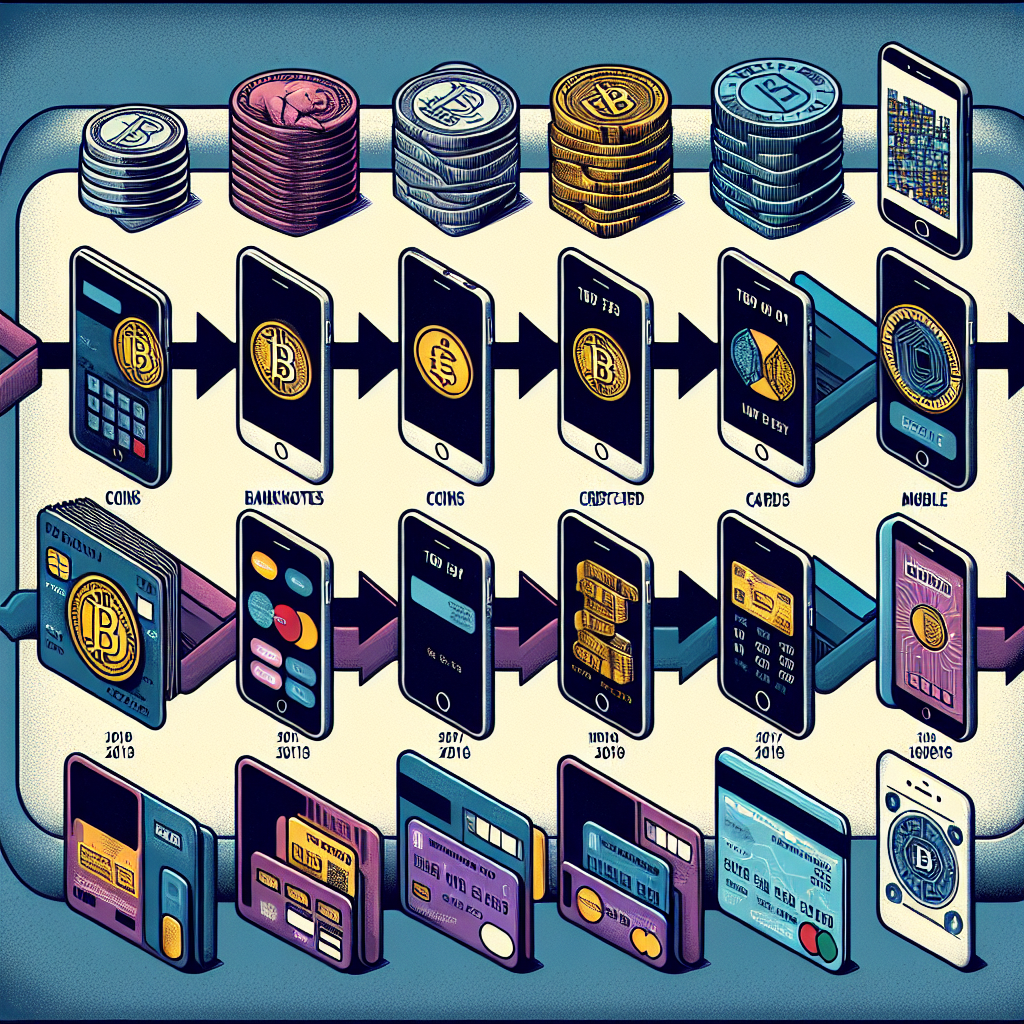
The Rise of Digital Wallets
In recent years, digital wallets have gained immense popularity as a convenient and secure way to make payments. Services like Apple Pay, Google Pay, and Samsung Pay allow users to store their credit or debit card information on their smartphones and make contactless payments at participating merchants. This technology has revolutionized the way we shop, making transactions faster and more efficient.
One of the key advantages of digital wallets is their enhanced security features. With biometric authentication such as fingerprint or facial recognition, users can rest assured that their payment information is safe from unauthorized access. Additionally, digital wallets encrypt card details, reducing the risk of fraud compared to traditional magnetic stripe cards.
Another benefit of digital wallets is their versatility. Users can store multiple payment methods in one place, making it easy to switch between cards or accounts depending on their preference. This flexibility has made digital wallets a popular choice for consumers looking for a seamless payment experience.
As more merchants and financial institutions adopt digital wallet technology, we can expect to see a further shift towards cashless transactions. With the convenience and security offered by digital wallets, it’s no wonder that they are becoming an integral part of our daily lives.
The Emergence of Cryptocurrency
Cryptocurrency, such as Bitcoin and Ethereum, has emerged as a disruptive force in the world of finance, offering a decentralized and secure way to make transactions. Unlike traditional currencies issued by governments, cryptocurrencies are digital assets that use cryptography to secure transactions and control the creation of new units.
One of the main advantages of cryptocurrency is its ability to facilitate international transactions without the need for intermediaries such as banks or payment processors. This has made it a popular choice for cross-border payments, as transactions can be completed quickly and at a lower cost compared to traditional methods.
Furthermore, the blockchain technology underlying cryptocurrencies ensures transparency and immutability, making it difficult for transactions to be altered or reversed. This level of security has attracted a growing number of users and merchants to adopt cryptocurrency as a viable payment option.
While there are still challenges to overcome, such as regulatory concerns and price volatility, the potential of cryptocurrency to revolutionize the way we transact cannot be ignored. As more people embrace digital currencies, we may see a future where traditional forms of payment are replaced by decentralized alternatives.
Contactless Payments and NFC Technology
Contactless payments have become increasingly popular in recent years, with the widespread adoption of Near Field Communication (NFC) technology in smartphones and payment terminals. NFC allows devices to communicate wirelessly over short distances, enabling users to make payments by simply tapping their phone or card on a compatible reader.
One of the main benefits of contactless payments is their speed and convenience. With just a quick tap, transactions can be completed in a matter of seconds, making checkout processes more efficient for both consumers and merchants. This frictionless experience has contributed to the growing popularity of contactless payments in various industries, from retail to transportation.
Moreover, contactless payments are considered more hygienic than traditional cash transactions, as they reduce the need for physical contact with payment terminals. This has become particularly important in the wake of the COVID-19 pandemic, where minimizing touchpoints is crucial to preventing the spread of germs.
As NFC technology continues to evolve, we can expect to see further innovations in contactless payment solutions. From wearables to smart home devices, the possibilities for integrating NFC technology into everyday objects are endless, paving the way for a more seamless and interconnected payment ecosystem.
Adapting to a Cashless Society: The Role of HR in Educating Employees on Digital Payments
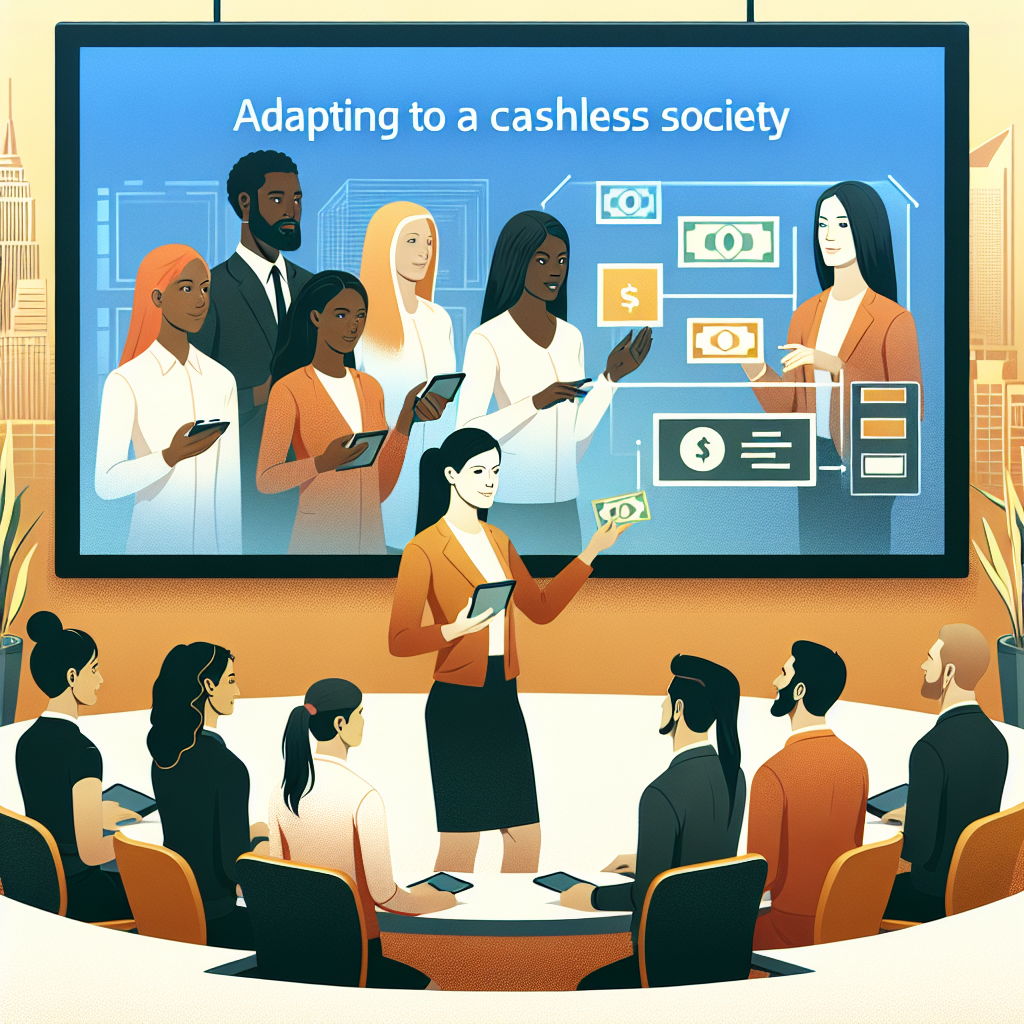
The Importance of Employee Education
In today’s rapidly evolving digital landscape, the shift towards cashless transactions is becoming increasingly prevalent. As more businesses and consumers embrace digital payments, it is essential for HR departments to educate employees on the benefits and nuances of this new payment method.
One of the key reasons why employee education is crucial is to ensure that staff members are equipped with the knowledge and skills to navigate the digital payment ecosystem confidently. By providing training and resources on topics such as mobile wallets, contactless payments, and online banking, HR can help employees feel more comfortable and secure when using digital payment platforms.
Moreover, educating employees on digital payments can also enhance efficiency and streamline financial processes within the organization. By encouraging the adoption of digital payment solutions, HR can help reduce the reliance on traditional cash-based transactions, leading to faster and more convenient payment methods for both employees and customers.
Ultimately, by investing in employee education on digital payments, HR can empower staff members to adapt to the cashless society effectively and contribute to the overall success and growth of the organization.
Best Practices for Implementing Digital Payment Education
When it comes to implementing digital payment education initiatives within the workplace, there are several best practices that HR departments can follow to ensure success. One effective approach is to provide a variety of training methods, such as workshops, webinars, and online resources, to cater to different learning styles and preferences.
Additionally, HR can collaborate with external partners, such as financial institutions or fintech companies, to offer specialized training programs on digital payments. By leveraging the expertise of industry professionals, employees can gain valuable insights and practical tips on how to use digital payment platforms effectively.
Another important aspect of implementing digital payment education is to create a supportive and inclusive learning environment. HR should encourage open communication and feedback from employees to address any questions or concerns they may have about digital payments. By fostering a culture of continuous learning and improvement, organizations can ensure that staff members feel confident and empowered to embrace digital transactions.
By following these best practices, HR departments can successfully educate employees on digital payments and pave the way for a smooth transition to a cashless society.
Case Study: Starbucks Mobile Payment App
An excellent example of a successful digital payment initiative is the Starbucks mobile payment app. This app allows customers to pay for their orders using their smartphones, making the checkout process more convenient and efficient.
Starbucks has invested in educating both employees and customers on how to use the mobile payment app effectively. Baristas receive training on how to process mobile payments, while customers are encouraged to download the app and enroll in the rewards program to enjoy additional benefits.
As a result of this digital payment education strategy, Starbucks has seen a significant increase in mobile payment usage among its customers. The app has become an integral part of the Starbucks experience, enhancing customer loyalty and driving sales for the company.
This case study highlights the importance of investing in employee and customer education to promote the adoption of digital payment solutions successfully.
Challenges and Opportunities in the Cashless Society
While the transition to a cashless society offers numerous benefits, it also presents challenges that HR departments must address when educating employees on digital payments. One of the main challenges is ensuring the security and privacy of digital transactions, as cyber threats and data breaches continue to pose risks to sensitive financial information.
To overcome these challenges, HR can provide training on cybersecurity best practices and educate employees on how to protect their personal and financial data when using digital payment platforms. By raising awareness and promoting a culture of vigilance, organizations can mitigate the risks associated with cashless transactions effectively.
Furthermore, the shift towards digital payments opens up new opportunities for businesses to streamline operations, improve customer experiences, and drive innovation. HR can play a vital role in helping employees leverage these opportunities by providing training on emerging technologies, such as blockchain and mobile payments, that have the potential to revolutionize the payment industry.
By addressing challenges and embracing opportunities in the cashless society, HR can empower employees to adapt to the digital payment landscape successfully and drive organizational growth and competitiveness in the future.
Enhancing Employee Compensation: Exploring Digital Payment Solutions for Payroll
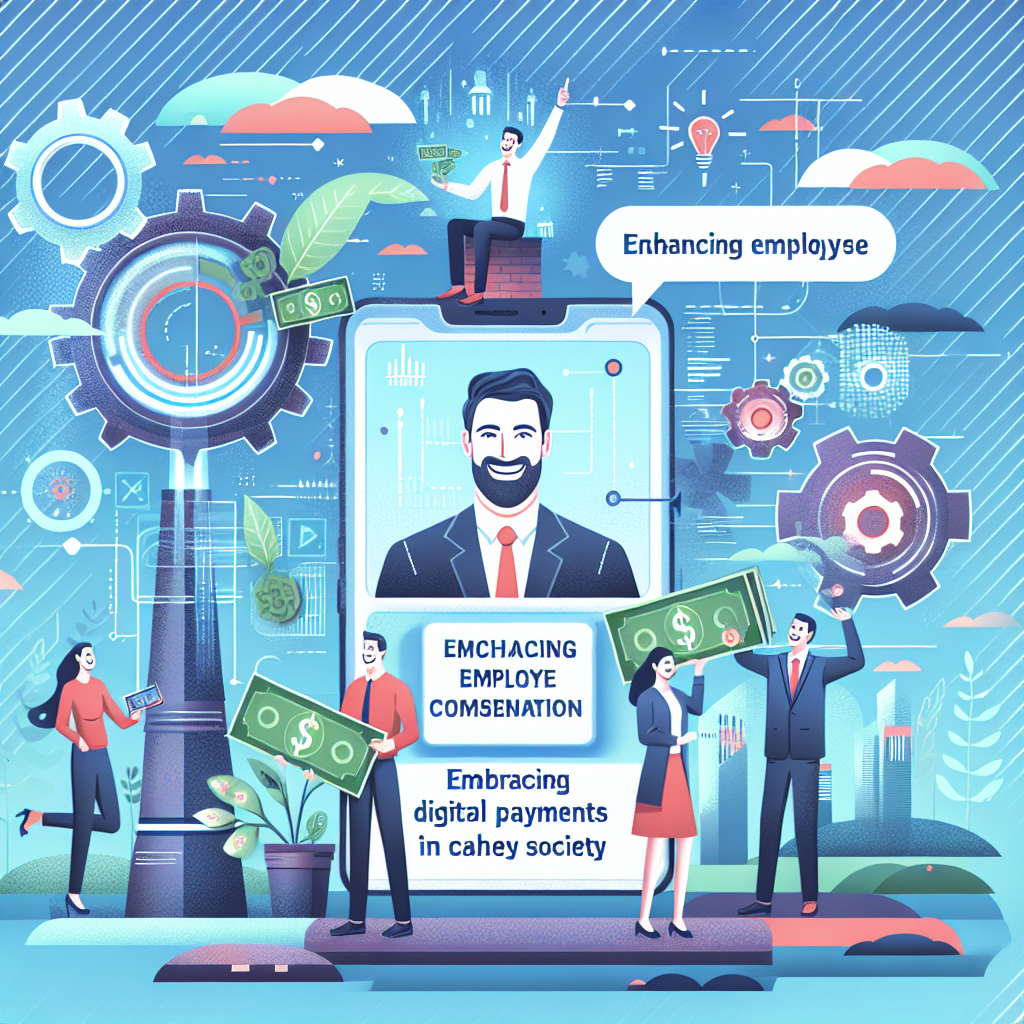
Benefits of Digital Payment Solutions
Digital payment solutions offer numerous benefits for both employers and employees. One major advantage is the convenience they provide. With digital payments, employees can receive their salaries directly into their bank accounts or digital wallets, eliminating the need to visit a physical bank to deposit a check. This saves time and reduces the risk of lost or stolen checks.
Another benefit is the speed of transactions. Unlike traditional paper checks that may take days to clear, digital payments are processed instantly, allowing employees to access their funds immediately. This can be particularly helpful in emergency situations where quick access to funds is crucial.
Moreover, digital payment solutions are more secure than cash or checks. With features such as encryption and multi-factor authentication, the risk of fraud or theft is significantly reduced. Employers can also track and monitor payments more efficiently, ensuring accuracy and compliance with labor laws.
Lastly, digital payment solutions promote financial inclusion by providing access to banking services for employees who may not have a traditional bank account. This can help bridge the gap between the unbanked population and mainstream financial services, leading to greater financial empowerment.
Popular Digital Payment Platforms
There are several digital payment platforms that have gained popularity in the market. One of the most well-known platforms is PayPal, which allows users to send and receive money securely online. PayPal offers various services, including PayPal.me for easy peer-to-peer transactions and PayPal Business for businesses to accept payments.
Another popular platform is Venmo, which is especially popular among millennials for its social aspect. Users can connect with friends on Venmo, share payments publicly, and split bills easily. Venmo also offers a debit card for users to access their funds directly.
For businesses, platforms like Stripe and Square provide comprehensive payment solutions, including online payment processing, invoicing, and point-of-sale systems. These platforms offer secure payment processing, fraud prevention, and analytics to help businesses streamline their transactions.
Furthermore, digital wallets like Apple Pay and Google Pay are gaining traction for in-store and online payments. These mobile payment solutions allow users to store their credit and debit cards securely on their smartphones and make contactless payments at participating merchants.
Challenges and Considerations
While digital payment solutions offer many advantages, there are also challenges and considerations to keep in mind. One challenge is the potential for technical glitches or system outages that may disrupt payment processing. Employers should have contingency plans in place to ensure that employees receive their salaries on time.
Security is another major concern with digital payments. Employers need to implement robust security measures to protect sensitive financial information and prevent unauthorized access. This may include encryption, tokenization, and regular security audits to identify and address vulnerabilities.
Moreover, the adoption of digital payment solutions may require training and support for employees who are unfamiliar with the technology. Employers should provide clear instructions and resources to help employees set up their accounts, navigate the platform, and troubleshoot any issues that may arise.
Lastly, regulatory compliance is essential when implementing digital payment solutions for payroll. Employers must ensure that they adhere to labor laws, tax regulations, and data privacy requirements to avoid legal issues and penalties. Consulting with legal and financial experts can help mitigate compliance risks.
Cybersecurity in Digital Transactions: HR’s Role in Safeguarding Employee Data

The Importance of Cybersecurity in Digital Transactions
In today’s digital age, where transactions are increasingly conducted online, cybersecurity has become a critical concern for businesses. With the rise of cyber threats such as phishing scams, ransomware attacks, and data breaches, organizations must prioritize safeguarding sensitive employee data. HR departments play a crucial role in ensuring that employee information is protected from potential cyber threats.
One example of the importance of cybersecurity in digital transactions is the 2017 Equifax data breach, where hackers accessed the personal information of over 145 million Americans. This incident not only resulted in significant financial losses for the company but also eroded consumer trust. By taking proactive measures to enhance cybersecurity, organizations can prevent such breaches and protect their employees’ data.
HR departments can implement security measures such as multi-factor authentication, encryption of sensitive data, and regular security training for employees to mitigate cyber risks. By staying informed about the latest cyber threats and implementing robust security protocols, HR can help safeguard employee data in digital transactions.
In conclusion, cybersecurity is paramount in digital transactions to protect employee data from cyber threats. HR’s involvement in implementing security measures and educating employees on best practices is essential in safeguarding sensitive information and maintaining trust with stakeholders.
HR’s Role in Ensuring Compliance with Data Protection Regulations
With the implementation of data protection regulations such as the General Data Protection Regulation (GDPR) in Europe and the California Consumer Privacy Act (CCPA) in the United States, organizations must ensure compliance to avoid hefty fines and reputational damage. HR departments play a crucial role in ensuring that employee data is handled in accordance with these regulations.
HR can conduct regular audits of employee data handling practices to identify any potential compliance gaps and take corrective action. By working closely with IT and legal departments, HR can develop policies and procedures that align with data protection regulations and ensure that employee data is handled securely.
One example of the consequences of non-compliance with data protection regulations is the British Airways data breach in 2018, where hackers stole the personal and financial information of over 500,000 customers. The airline was fined £20 million by the Information Commissioner’s Office for failing to protect customer data, highlighting the importance of compliance with data protection regulations.
By proactively ensuring compliance with data protection regulations, HR can help mitigate legal risks and protect employee data in digital transactions. By staying informed about the latest regulatory requirements and collaborating with other departments, HR can play a vital role in safeguarding employee data.
Best Practices for HR in Safeguarding Employee Data
HR departments can adopt best practices to safeguard employee data in digital transactions and protect sensitive information from cyber threats. Some key best practices include:
- Implementing secure password policies and encouraging employees to use strong, unique passwords for their accounts
- Conducting regular security training sessions for employees to educate them on the latest cyber threats and best practices for data protection
- Encrypting sensitive employee data both in transit and at rest to prevent unauthorized access
- Implementing access controls to restrict employee access to sensitive data based on their roles and responsibilities
By following these best practices and staying vigilant against cyber threats, HR departments can effectively safeguard employee data in digital transactions and maintain trust with employees and stakeholders.
In conclusion, HR plays a crucial role in ensuring cybersecurity in digital transactions and safeguarding employee data from cyber threats. By implementing security measures, ensuring compliance with data protection regulations, and adopting best practices, HR can protect sensitive information and maintain trust with employees and stakeholders in an increasingly digitized world.
The Benefits of Going Cashless: How HR Can Drive Adoption of Digital Payments in the Workplace

Increased Efficiency and Convenience
One of the key benefits of going cashless in the workplace is the increased efficiency and convenience it offers. With digital payments, employees no longer need to waste time counting cash, writing checks, or waiting in line at the bank. Instead, they can make instant payments at the click of a button, saving time and streamlining the payment process.
For example, companies like Starbucks have successfully implemented mobile payment options, allowing customers to pay for their coffee with a simple scan of their smartphone. This not only speeds up the transaction process but also enhances the overall customer experience.
Furthermore, digital payments can also help companies reduce the risk of theft and fraud associated with handling cash. By going cashless, businesses can eliminate the need for physical cash transactions, reducing the likelihood of theft and providing a more secure payment environment.
In addition, digital payments allow for easy tracking and monitoring of transactions, providing businesses with valuable data insights that can help improve financial management and decision-making.
Cost Savings and Sustainability
Another advantage of digital payments in the workplace is the potential for cost savings and sustainability. By eliminating the need for cash handling and processing, businesses can reduce the associated costs of cash management, such as security, transportation, and storage.
For instance, companies that switch to digital payments can save on expenses related to printing and distributing paper checks, as well as on fees associated with processing cash transactions. This can result in significant cost savings over time and improve the company’s bottom line.
Moreover, going cashless can also have a positive impact on the environment by reducing the use of paper and other resources. By embracing digital payments, companies can contribute to a more sustainable future and demonstrate their commitment to environmental responsibility.
Additionally, digital payments encourage the use of electronic receipts and invoices, reducing paper waste and promoting a more eco-friendly approach to financial transactions.
Enhanced Employee Experience and Engagement
Implementing digital payments in the workplace can lead to an enhanced employee experience and increased engagement. By offering convenient and secure payment options, companies can improve the overall satisfaction and well-being of their employees.
For example, providing employees with the flexibility to choose how they receive their payments, whether through direct deposit, mobile wallets, or other digital platforms, can enhance their financial wellness and reduce stress related to managing finances.
Furthermore, digital payments can also facilitate seamless expense reimbursement processes, enabling employees to submit and track expenses efficiently and receive timely reimbursements. This can boost employee morale and productivity by eliminating the hassle of manual expense reporting.
In addition, digital payments can support remote work arrangements by enabling employees to receive payments regardless of their location, promoting flexibility and work-life balance.
Regulatory Compliance and Security
One of the critical considerations when adopting digital payments in the workplace is ensuring regulatory compliance and security. Companies must comply with data protection regulations and implement robust security measures to safeguard sensitive financial information.
For instance, companies can leverage encryption technologies, multi-factor authentication, and secure payment gateways to protect employee data and prevent unauthorized access to payment systems. By prioritizing data security, companies can build trust with employees and ensure the confidentiality of their financial transactions.
Moreover, digital payments can help companies comply with regulatory requirements related to payroll processing, tax reporting, and financial auditing. By automating payment processes and maintaining accurate records, businesses can demonstrate compliance with industry standards and regulations.
Overall, prioritizing regulatory compliance and security when implementing digital payments can help companies mitigate risks and build a strong foundation for a cashless workplace.
Navigating Legal and Compliance Issues: HR’s Guide to Implementing Digital Payment Systems

Understanding Regulatory Frameworks
When implementing digital payment systems in your organization, it is crucial to have a solid understanding of the regulatory frameworks that govern electronic transactions. Compliance with laws such as the Payment Card Industry Data Security Standard (PCI DSS) and the General Data Protection Regulation (GDPR) is essential to ensure the security and privacy of sensitive financial information.
For example, in 2019, the UK’s Financial Conduct Authority introduced Strong Customer Authentication (SCA) requirements as part of the Payment Services Directive 2 (PSD2) to enhance the security of online payments. This regulation mandates that customers must verify their identity using two or more authentication factors before completing a transaction.
Failure to comply with these regulations can result in hefty fines and damage to your organization’s reputation. Therefore, HR professionals must work closely with legal and compliance teams to ensure that digital payment systems adhere to all relevant regulatory requirements.
In addition to national regulations, HR must also consider international laws when implementing digital payment systems for employees working across borders. Understanding the legal landscape in different countries can help mitigate risks and ensure compliance with all applicable laws.
Ensuring Data Security and Privacy
Protecting employee data is a top priority for HR professionals when implementing digital payment systems. In addition to complying with regulations such as GDPR, organizations must also implement robust cybersecurity measures to safeguard sensitive information from cyber threats.
One example of a data breach involving digital payment systems occurred in 2017 when Equifax, one of the largest credit reporting agencies in the US, experienced a massive cyberattack that exposed the personal information of over 147 million individuals. This breach highlighted the importance of implementing encryption, access controls, and regular security audits to prevent unauthorized access to employee data.
HR professionals must also educate employees on best practices for data security, such as creating strong passwords, avoiding phishing scams, and reporting any suspicious activity. By fostering a culture of cybersecurity awareness, organizations can reduce the risk of data breaches and protect employee information.
Furthermore, HR should establish clear policies and procedures for handling and storing employee data to ensure compliance with privacy laws and maintain the trust of employees. Regular training sessions and updates on data security practices can help reinforce the importance of safeguarding sensitive information.
Addressing Ethical and Social Implications
Implementing digital payment systems can raise ethical and social issues that HR professionals must consider when designing and implementing new technologies. One key concern is the potential impact on financial inclusion, as digital payments may exclude individuals without access to smartphones or internet connectivity.
For example, in developing countries where digital infrastructure is limited, relying solely on digital payment systems could marginalize vulnerable populations who rely on cash transactions for their daily expenses. HR professionals must work with stakeholders to ensure that digital payment solutions are inclusive and accessible to all employees, regardless of their socio-economic background.
Another ethical consideration is the impact of digital payments on employee privacy. Collecting and storing employee data for digital transactions raises concerns about surveillance and data exploitation. HR must establish clear guidelines for data collection, usage, and retention to protect employee privacy rights and maintain trust within the organization.
By proactively addressing ethical and social implications, HR can ensure that digital payment systems are implemented in a responsible and sustainable manner that benefits all employees while upholding ethical standards and social values.
Training Employees for the Future: Integrating Digital Payment Tools into HR Development Programs
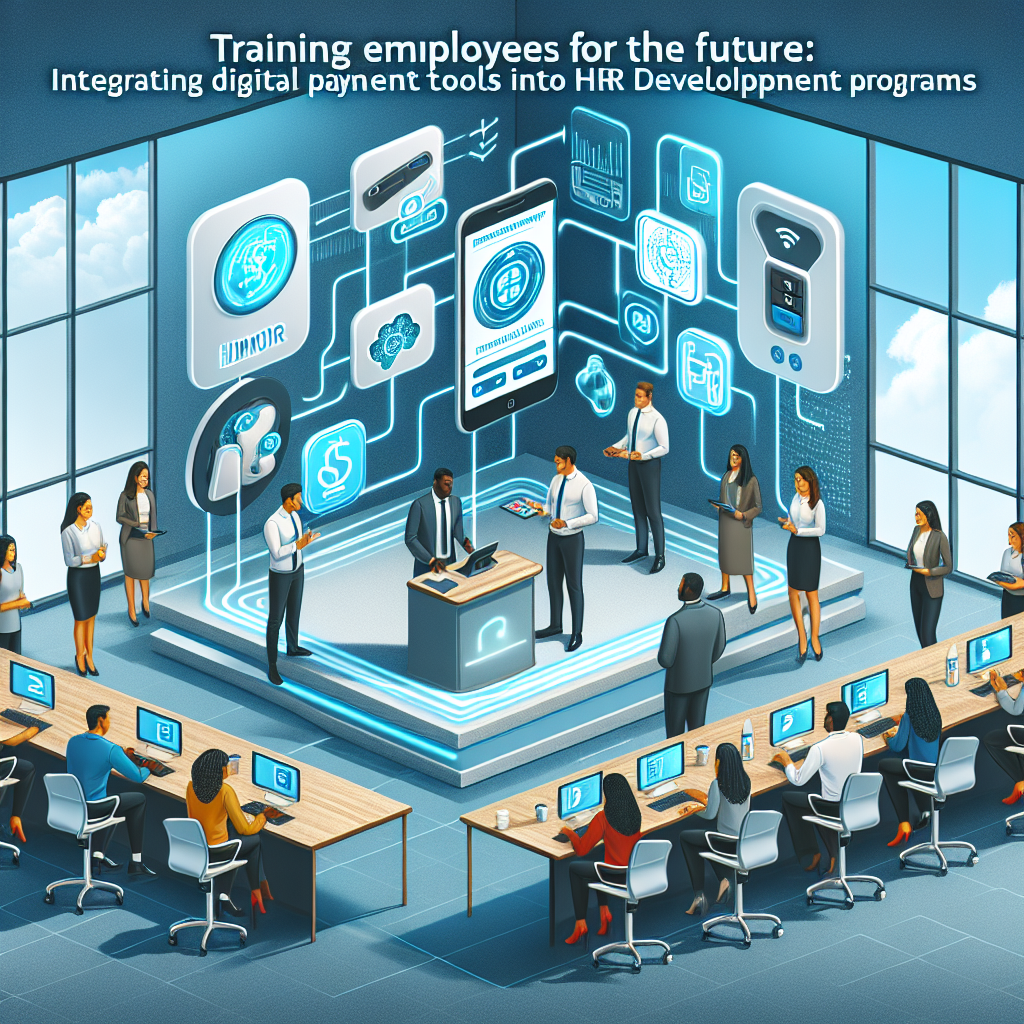
Benefits of Digital Payment Tools in HR Development
Integrating digital payment tools into HR development programs offers numerous benefits for both employees and employers. One of the key advantages is the convenience and efficiency it brings to the payment process. With digital payment tools, employees can receive their salaries directly into their bank accounts or digital wallets, eliminating the need for paper checks or manual cash distribution.
Moreover, digital payment tools can also help streamline expense management processes, making it easier for employees to submit and track expense reports. By using digital payment tools for reimbursement, employees can receive their funds faster and with greater transparency, reducing the administrative burden on HR departments.
Another benefit of incorporating digital payment tools into HR development programs is the ability to track and analyze employee spending patterns. By leveraging data analytics, employers can gain valuable insights into employee behavior, preferences, and financial wellness, which can inform decision-making and improve overall employee satisfaction.
Furthermore, digital payment tools can enhance security and reduce the risk of fraud or theft associated with traditional payment methods. With features such as multi-factor authentication, encryption, and real-time monitoring, digital payment tools provide a secure and reliable way to transfer funds, protecting both employees and employers from potential financial risks.
Challenges and Considerations in Implementing Digital Payment Tools
While the benefits of integrating digital payment tools into HR development programs are clear, there are also challenges and considerations that organizations need to address when implementing these tools. One of the main challenges is ensuring that employees have access to the necessary technology and resources to use digital payment tools effectively.
Organizations may need to provide training and support to help employees navigate the digital payment landscape and overcome any barriers to adoption. This could include offering workshops, online tutorials, or one-on-one assistance to ensure that employees feel comfortable using digital payment tools and understand the benefits they bring.
Another consideration is data privacy and security concerns. Organizations must ensure that they comply with data protection regulations and safeguard employee information when implementing digital payment tools. This may involve implementing robust security measures, such as encryption, access controls, and regular audits, to protect sensitive data and prevent unauthorized access.
Additionally, organizations need to consider the costs associated with implementing and maintaining digital payment tools. While the initial investment may be significant, the long-term benefits in terms of efficiency, transparency, and security can outweigh the costs, making digital payment tools a valuable investment for HR development programs.
Best Practices for Training Employees on Digital Payment Tools
When training employees on digital payment tools, organizations should follow best practices to ensure a smooth and successful implementation. One of the key best practices is to provide comprehensive training that covers the features, functionalities, and benefits of digital payment tools. This could include hands-on workshops, online courses, or video tutorials to cater to different learning styles and preferences.
Organizations should also create a supportive and inclusive learning environment that encourages employees to ask questions, seek help, and share their experiences with digital payment tools. By fostering a culture of continuous learning and feedback, organizations can empower employees to embrace digital payment tools and maximize their potential benefits.
Furthermore, organizations should regularly evaluate the effectiveness of their training programs and make adjustments as needed to address any gaps or challenges. This could involve conducting surveys, gathering feedback, and monitoring key performance indicators to measure the impact of digital payment tools on employee satisfaction, productivity, and engagement.
Ultimately, by following best practices and investing in comprehensive training programs, organizations can equip their employees with the skills and knowledge they need to leverage digital payment tools effectively and drive innovation in HR development programs.
Conclusion

In conclusion, the shift towards digital payments in a cashless society is inevitable and offers numerous benefits for both consumers and businesses. Embracing this change can lead to increased convenience, security, and efficiency in transactions.
- Convenience: Digital payments allow for quick and easy transactions without the need for physical cash.
- Security: With advanced encryption and authentication measures, digital payments are often more secure than traditional cash transactions.
- Efficiency: Digital payments streamline the transaction process, reducing the time and effort required for both consumers and businesses.
Overall, as technology continues to advance and society becomes increasingly reliant on digital solutions, embracing digital payments in a cashless society is the way of the future. By adapting to this shift, individuals and businesses can enjoy a more seamless and secure transaction experience.
Frequently Asked Questions

What are digital payments and how do they work?
Digital payments refer to any payment made electronically, without the need for physical cash or checks. They typically involve transferring money from one account to another using online platforms, mobile apps, or contactless payment methods.
Are digital payments secure?
Yes, digital payments are generally secure as they use encryption and other security measures to protect your financial information. However, it is important to use reputable payment platforms and to safeguard your personal information to minimize the risk of fraud.
How are digital payments impacting traditional banking systems?
Digital payments are revolutionizing the way we handle transactions, leading to increased convenience and efficiency. This shift is prompting traditional banks to adapt by offering digital banking services and enhancing their online payment options.
What are the benefits of transitioning to a cashless society?
Transitioning to a cashless society can offer numerous benefits, such as reducing the risk of theft, streamlining transactions, increasing financial inclusion, and enabling easier tracking of spending habits. It also promotes financial transparency and efficiency.
What challenges do we face in moving towards a cashless society?
While the shift towards digital payments offers many advantages, there are challenges to consider, such as concerns about data privacy, access to technology for all individuals, potential security vulnerabilities, and the need for infrastructure upgrades to support widespread adoption of digital payment systems.
Leave a Reply