


Cryptocurrency has taken the world by storm, revolutionizing the way we think about money and transactions. But with great power comes great responsibility, and that’s where cryptocurrency wallets come in. In this comprehensive guide, we’ll take you through everything you need to know about securing and using cryptocurrency wallets.
Whether you’re a seasoned crypto investor or just getting started, understanding how to keep your digital assets safe and accessible is crucial. From the different types of wallets available to the best practices for securing them, we’ve got you covered.
Learn how to choose the right wallet for your needs, whether you prefer hardware wallets for maximum security or mobile wallets for on-the-go convenience. Discover the ins and outs of private keys, public addresses, and how to protect your funds from hackers and scams.
With the rise of cryptocurrency comes a new frontier of possibilities, but also new challenges. Stay ahead of the game by arming yourself with the knowledge and tools to navigate the world of cryptocurrency wallets with confidence. Let’s dive in!
Understanding Cryptocurrency Wallets: A Comprehensive Overview

Types of Cryptocurrency Wallets
There are several types of cryptocurrency wallets, each with their own unique features and benefits. Some of the most common types include:
- Hardware Wallets: These wallets store your private keys offline on a physical device, making them highly secure against hacking attacks.
- Software Wallets: These wallets are digital applications that you can download onto your computer or mobile device. They are convenient but may be more vulnerable to cyber threats.
- Web Wallets: These wallets are hosted online by a third party, making them accessible from any device with an internet connection. However, they come with a higher risk of security breaches.
- Paper Wallets: These wallets are essentially a printed piece of paper with your private and public keys. They are offline and therefore immune to cyber attacks, but can be easily lost or damaged.
Securing Your Cryptocurrency Wallet
Securing your cryptocurrency wallet is crucial to protecting your funds from theft or loss. Here are some tips to help you keep your wallet safe:
- Use a strong password and enable two-factor authentication for an extra layer of security.
- Keep your private keys offline and never share them with anyone.
- Regularly back up your wallet and store the backup in a secure location.
- Avoid storing large amounts of cryptocurrency on web wallets or exchanges, as they are more susceptible to hacks.
Managing Multiple Wallets
If you have multiple cryptocurrencies, you may need to use multiple wallets to store them. Here are some tips for managing multiple wallets effectively:
- Keep a record of which wallet holds which cryptocurrency to avoid confusion.
- Consider using a multi-currency wallet that supports a wide range of cryptocurrencies.
- Regularly check the balances and transactions of each wallet to ensure everything is in order.
- Use different passwords and encryption methods for each wallet to minimize the risk of a security breach.
Choosing the Right Wallet for You
When choosing a cryptocurrency wallet, it’s important to consider your individual needs and preferences. Here are some factors to consider:
- Security: If security is your top priority, a hardware wallet may be the best option for you.
- Convenience: If you frequently make transactions, a software or web wallet may be more convenient for you.
- Cost: Some wallets may charge fees for transactions or maintenance, so be sure to consider the cost before making a decision.
- Community Support: Some wallets have a strong community of users who can provide assistance and support, which may be important to you.
The Importance of Security in Cryptocurrency Wallets
Protecting Your Assets
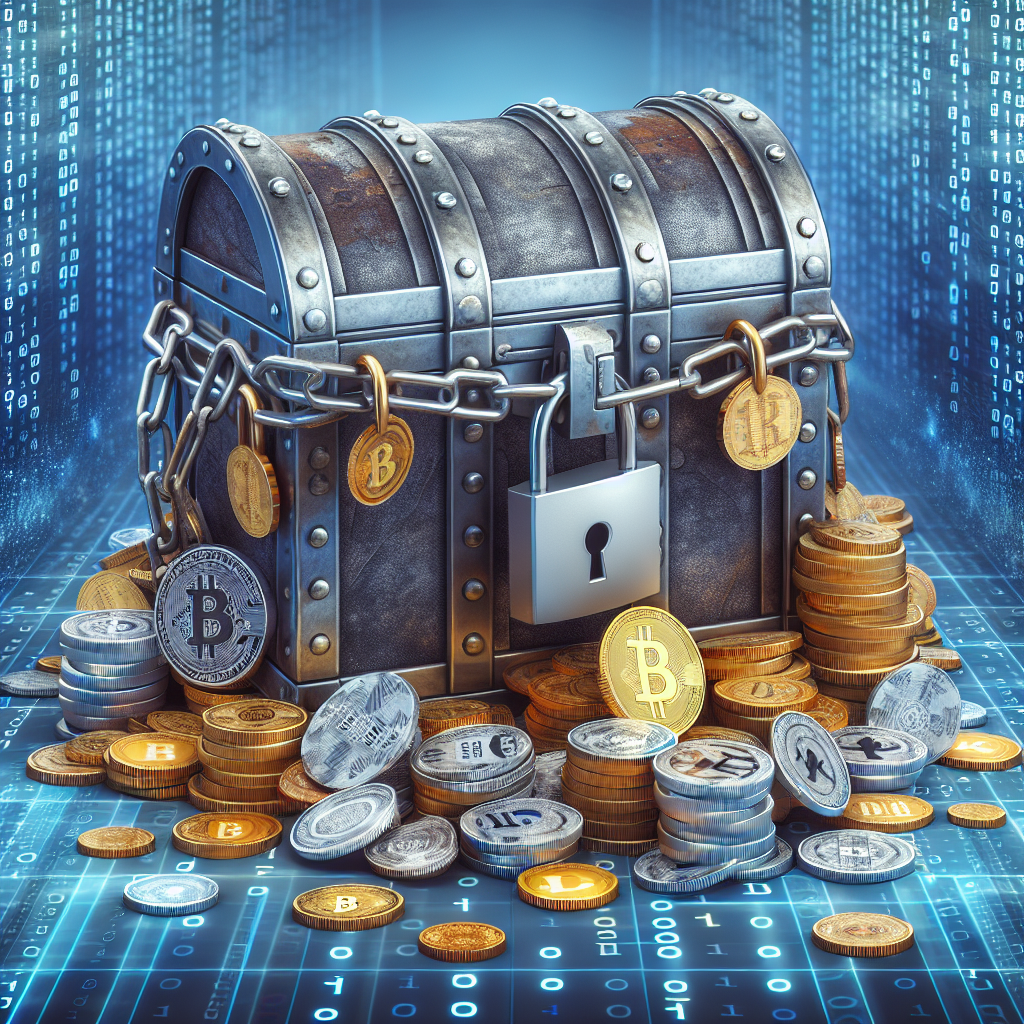
Cryptocurrency wallets are like digital safes that store your virtual coins. Just like you wouldn’t leave your valuables lying around, you shouldn’t leave your cryptocurrency exposed to potential theft. Security measures such as strong passwords, two-factor authentication, and encryption are essential to keeping your assets safe.
One real-life example of the importance of security in cryptocurrency wallets is the infamous Mt. Gox hack in 2014, where millions of dollars worth of Bitcoin were stolen from users due to poor security practices. This incident serves as a stark reminder of the risks involved in not properly securing your cryptocurrency funds.
By taking proactive steps to secure your cryptocurrency wallet, such as using hardware wallets or storing your private keys offline, you can significantly reduce the risk of theft and protect your assets from unauthorized access.
Remember, the old saying “not your keys, not your coins” highlights the importance of owning and controlling your private keys to ensure the security of your cryptocurrency holdings.
Preventing Unauthorized Access
Unauthorized access to your cryptocurrency wallet can result in irreparable damage, as once your funds are stolen, they cannot be recovered. To prevent unauthorized access, it is crucial to use secure login credentials, enable multi-factor authentication, and regularly update your wallet software.
One common security threat is phishing attacks, where malicious actors attempt to trick users into revealing their login credentials or private keys. By staying vigilant and verifying the authenticity of communication related to your wallet, you can avoid falling victim to such scams.
Additionally, using a secure internet connection and avoiding public Wi-Fi networks when accessing your wallet can help reduce the risk of unauthorized access. Remember, it only takes one security lapse to lose all your cryptocurrency funds, so it’s essential to prioritize security at all times.
By implementing robust security measures and staying informed about the latest security threats, you can minimize the risk of unauthorized access to your cryptocurrency wallet and protect your assets from potential theft.
Ensuring Data Privacy
Privacy is a fundamental aspect of security when it comes to cryptocurrency wallets. Your personal information, transaction history, and wallet addresses should be kept confidential to prevent identity theft and targeted attacks.
Many cryptocurrency wallets offer privacy features such as stealth addresses and coin mixing to enhance the anonymity of transactions. By utilizing these privacy-enhancing technologies, you can add an extra layer of protection to your financial information and prevent it from falling into the wrong hands.
It is also essential to be cautious about sharing your wallet address or any sensitive information related to your cryptocurrency holdings. Scammers and hackers often target individuals who publicly disclose their wallet addresses, leading to potential privacy breaches and security vulnerabilities.
Remember, privacy is a right that should be upheld in the digital age, and by prioritizing data privacy in your cryptocurrency wallet, you can safeguard your sensitive information and prevent unauthorized access to your financial assets.
Choosing the Right Cryptocurrency Wallet for Your HR Department

Considerations for Selecting a Cryptocurrency Wallet
When choosing a cryptocurrency wallet for your HR department, there are several key considerations to keep in mind:
- Security: Look for wallets that offer strong encryption and multi-factor authentication to ensure the safety of your employees’ funds.
- Usability: Opt for wallets that are user-friendly and easy to navigate, especially for employees who may not be familiar with cryptocurrency.
- Compatibility: Make sure the wallet you choose is compatible with the cryptocurrencies your HR department deals with most frequently.
- Customer support: Select a wallet provider that offers responsive customer support to address any issues that may arise.
Types of Cryptocurrency Wallets
There are several types of cryptocurrency wallets to choose from, each with its own unique features and benefits:
- Hardware wallets: These physical devices offer the highest level of security by storing your cryptocurrency offline.
- Software wallets: These wallets are installed on your computer or mobile device and are convenient for everyday use.
- Web wallets: These online wallets are accessible from any device with an internet connection, but may be more vulnerable to hacking.
- Paper wallets: A paper wallet is a physical document that contains a public address for receiving cryptocurrency and a private key for spending it.
Popular Cryptocurrency Wallet Providers
There are several reputable cryptocurrency wallet providers to choose from, including:
- Blockchain Wallet: Known for its user-friendly interface and strong security features, Blockchain Wallet is a popular choice among cryptocurrency users.
- Trezor: Trezor is a leading hardware wallet provider that offers top-notch security for storing your cryptocurrency offline.
- MetaMask: MetaMask is a popular web wallet that allows users to interact with decentralized applications on the Ethereum blockchain.
- Exodus: Exodus is a software wallet that supports a wide range of cryptocurrencies and offers a sleek, intuitive design.
Final Thoughts on Cryptocurrency Wallet Selection
Choosing the right cryptocurrency wallet for your HR department is crucial to ensuring the security and convenience of your employees’ funds. Take the time to carefully consider your options and select a wallet that aligns with your department’s needs and priorities. Remember to prioritize security, usability, compatibility, and customer support when making your decision.
Tips for Safely Storing Cryptocurrency in Your HR Department

Implement Multi-Signature Wallets
One of the most secure ways to store cryptocurrency in your HR department is by using multi-signature wallets. These wallets require multiple private keys to authorize a transaction, adding an extra layer of security.
For example, companies like BitGo offer multi-signature wallet solutions that allow you to set up policies for transaction approval based on the number of signatures required.
By implementing multi-signature wallets, you can ensure that no single individual has full control over your company’s cryptocurrency funds, reducing the risk of internal theft.
Make sure to educate your HR team on how multi-signature wallets work and the importance of safeguarding their private keys to prevent unauthorized access.
Use Cold Storage for Long-Term Holdings
Cold storage refers to storing cryptocurrency offline, making it less vulnerable to hacking or cyber attacks. Consider using hardware wallets or paper wallets for long-term holdings in your HR department.
For instance, popular hardware wallets like Ledger Nano S or Trezor provide a secure way to store cryptocurrency offline and protect it from online threats.
By keeping a significant portion of your company’s cryptocurrency in cold storage, you can mitigate the risk of losing funds due to security breaches or unauthorized access.
Remember to keep backups of your cold storage wallets in secure locations and regularly update your security protocols to stay ahead of potential threats.
Conduct Regular Security Audits
Regular security audits are essential to ensure that your HR department’s cryptocurrency storage practices are up to date and secure. Consider hiring third-party cybersecurity firms to conduct thorough audits of your storage systems.
During security audits, experts can identify potential vulnerabilities, recommend improvements, and help you enhance your overall security posture to protect your company’s cryptocurrency holdings.
By conducting regular security audits, you can stay proactive in addressing security risks and prevent potential breaches that could result in financial losses or reputational damage.
Make sure to implement the recommendations from security audits promptly and educate your HR team on best practices for secure cryptocurrency storage.
How Cryptocurrency Wallets Can Streamline HR Processes

The Rise of Cryptocurrency Wallets in HR
In recent years, the adoption of cryptocurrency wallets in HR departments has been on the rise. These digital wallets offer a secure and convenient way for companies to streamline their processes, especially when it comes to managing employee payments and benefits. By using cryptocurrency wallets, HR professionals can easily distribute salaries, bonuses, and other financial rewards to employees in a matter of minutes, without the need for traditional banking systems.
One example of a company using cryptocurrency wallets for HR processes is Bitwage, a platform that allows employers to pay their international employees in Bitcoin. This eliminates the need for costly international wire transfers and can significantly reduce processing times. Employees also benefit from faster access to their funds and the ability to easily convert their cryptocurrency into their local currency.
Overall, the rise of cryptocurrency wallets in HR is revolutionizing the way companies handle employee payments and benefits. With increased security, transparency, and efficiency, more organizations are turning to digital wallets to streamline their processes and improve overall employee satisfaction.
As the technology continues to evolve, we can expect to see even more innovative uses of cryptocurrency wallets in HR departments, further transforming the way companies manage their financial transactions and employee rewards.
The Benefits of Using Cryptocurrency Wallets in HR
There are several key benefits to using cryptocurrency wallets in HR processes. One major advantage is the increased security that digital wallets provide. Unlike traditional banking systems, cryptocurrency wallets use advanced encryption techniques to protect user funds, reducing the risk of fraud and cyber attacks.
Another benefit is the transparency that cryptocurrency wallets offer. With blockchain technology, HR professionals can easily track and verify all transactions, ensuring that payments are made accurately and on time. This level of transparency can help build trust between employers and employees, leading to better communication and collaboration within the organization.
Additionally, cryptocurrency wallets can streamline the onboarding process for new employees. By using digital wallets, companies can easily set up accounts for new hires and quickly distribute their initial payments, benefits, and incentives. This eliminates the need for time-consuming paperwork and manual processing, allowing HR departments to focus on more strategic tasks.
Overall, the benefits of using cryptocurrency wallets in HR processes are clear. From improved security and transparency to streamlined onboarding and payments, digital wallets offer a range of advantages that can help companies operate more efficiently and effectively.
Best Practices for Implementing Cryptocurrency Wallets in HR
When implementing cryptocurrency wallets in HR processes, it is important to follow best practices to ensure a smooth transition and maximize the benefits of the technology. One key practice is to provide comprehensive training for HR professionals on how to use digital wallets effectively. This can help avoid any confusion or errors during the implementation process.
It is also important to communicate openly with employees about the use of cryptocurrency wallets in HR. By explaining the benefits and security measures in place, companies can help build trust and confidence in the new system. Additionally, companies should provide ongoing support and resources for employees who may have questions or concerns about using digital wallets.
Another best practice is to regularly review and update security protocols for cryptocurrency wallets. As technology continues to evolve, it is essential to stay up-to-date on the latest security measures to protect user funds and prevent any potential breaches. By regularly auditing and improving security practices, companies can ensure the safety and integrity of their HR processes.
Overall, by following these best practices, companies can successfully implement cryptocurrency wallets in HR processes and reap the many benefits that digital wallets offer. From increased security and transparency to streamlined onboarding and payments, the use of cryptocurrency wallets can revolutionize the way companies manage their employee rewards and financial transactions.
Common Mistakes to Avoid When Using Cryptocurrency Wallets in HR

Using Unsecure Wallets
One of the biggest mistakes HR professionals can make when using cryptocurrency wallets is choosing an unsecure wallet. It is crucial to select a reputable and secure wallet to safeguard your digital assets. For example, using hardware wallets like Ledger or Trezor is a safer option compared to online wallets that are more vulnerable to hacking.
Additionally, always ensure that your wallet provider offers two-factor authentication (2FA) to add an extra layer of security. Avoid storing large amounts of cryptocurrency on exchanges or hot wallets, as they are often targeted by hackers.
By using secure wallets and implementing best security practices, HR departments can protect their cryptocurrency holdings from potential threats and ensure the safety of their digital assets.
Remember, the security of your cryptocurrency wallet is essential for protecting your funds and personal information. Do your research and choose a wallet that prioritizes security above all else.
Ignoring Backup and Recovery Options
Another common mistake HR professionals make when using cryptocurrency wallets is ignoring backup and recovery options. It is important to set up a secure backup for your wallet’s private keys or seed phrase in case your device is lost or damaged. Without a backup, you risk losing access to your funds forever.
Many wallets offer the option to create a backup phrase or seed that can be used to restore your wallet on a new device. Make sure to securely store this backup phrase in a safe place, away from prying eyes and potential threats.
By having a backup and recovery plan in place, HR professionals can ensure that they can always access their cryptocurrency funds, even in the event of a hardware failure or loss of their primary device.
Do not underestimate the importance of backup and recovery options when using cryptocurrency wallets. Take the time to set up a secure backup plan to protect your digital assets and prevent any potential loss of funds.
Falling for Phishing Scams
HR professionals must be vigilant when using cryptocurrency wallets to avoid falling for phishing scams. Phishing scams are a common method used by hackers to steal sensitive information, such as login credentials or private keys, by pretending to be a legitimate entity.
Always double-check the URLs of websites or emails that request sensitive information related to your cryptocurrency wallet. Be wary of any unsolicited emails or messages asking for login credentials or personal details, as these are often phishing attempts.
Educate yourself and your team on how to spot phishing scams and never click on suspicious links or download attachments from unknown sources. By staying informed and cautious, HR departments can mitigate the risk of falling victim to phishing scams and protect their digital assets.
Remember, always verify the authenticity of any communication related to your cryptocurrency wallet and never share sensitive information with unknown parties. Stay alert and stay safe from phishing scams.
Future Trends in Cryptocurrency Wallet Technology for HR Departments

Biometric Authentication
In the future, cryptocurrency wallets used by HR departments are likely to incorporate biometric authentication methods such as fingerprint scanning, facial recognition, or even iris scanning. These methods provide an extra layer of security by ensuring that only authorized personnel can access the wallet.
Biometric authentication not only enhances security but also streamlines the user experience, eliminating the need for cumbersome passwords or PINs. This trend is already being adopted by leading cryptocurrency wallet providers like Ledger and Trezor.
With biometric authentication, HR departments can ensure that sensitive employee data stored in the wallet remains secure and protected from unauthorized access. This technology is expected to become standard in cryptocurrency wallets used by businesses in the near future.
As biometric technology continues to evolve and become more affordable, we can expect to see widespread adoption of this feature in cryptocurrency wallets, making them even more secure and convenient for HR departments.
Multi-Signature Wallets
Another trend in cryptocurrency wallet technology for HR departments is the use of multi-signature wallets. These wallets require multiple signatures from authorized individuals to authorize transactions, adding an extra layer of security.
Multi-signature wallets are particularly useful for HR departments managing employee payroll in cryptocurrencies, as they ensure that no single individual can authorize transactions on their own. This reduces the risk of internal fraud or unauthorized transactions.
Leading cryptocurrency wallet providers like BitGo and Coinbase already offer multi-signature wallet solutions for businesses. This trend is expected to continue as businesses seek to enhance the security of their cryptocurrency holdings.
With multi-signature wallets, HR departments can have peace of mind knowing that their cryptocurrency funds are protected by multiple layers of authorization, reducing the risk of theft or fraud.
Integration with HR Systems
In the future, we can expect to see cryptocurrency wallets designed specifically for HR departments that integrate seamlessly with existing HR systems. This integration will streamline processes such as employee payroll in cryptocurrencies, making it easier for HR departments to manage their cryptocurrency holdings.
By integrating with HR systems, cryptocurrency wallets can automatically update employee balances, generate reports, and facilitate transactions directly from the HR platform. This reduces the need for manual input and minimizes the risk of errors or discrepancies.
Leading HR software providers are already exploring ways to incorporate cryptocurrency wallet functionality into their platforms. This trend is expected to gain momentum as more businesses adopt cryptocurrencies for payroll and other HR functions.
With integrated cryptocurrency wallets, HR departments can efficiently manage their cryptocurrency holdings while ensuring data accuracy and security through seamless integration with their existing systems.
Conclusion

As you navigate the world of cryptocurrency, choosing a secure and convenient wallet is crucial to safeguarding your assets. By following the tips provided in this guide, you can make informed decisions about the best wallet for your needs.
- Research different types of wallets to find the best fit for your needs.
- Implement strong security measures, such as using a hardware wallet and enabling two-factor authentication.
- Regularly back up your wallet and keep your private keys secure.
Ultimately, the security of your cryptocurrency holdings is in your hands. By staying informed and taking proactive steps to protect your assets, you can enjoy peace of mind while navigating the exciting world of digital currencies.
Frequently Asked Questions

What is a cryptocurrency wallet?
A cryptocurrency wallet is a digital tool that allows you to securely store, send, and receive cryptocurrency. It consists of a public address for receiving funds and a private key for accessing and managing your cryptocurrency assets.
What are the different types of cryptocurrency wallets?
There are several types of cryptocurrency wallets, including hardware wallets, software wallets (such as desktop, mobile, and online wallets), and paper wallets. Each type has its own level of security and convenience.
How do I choose the right cryptocurrency wallet for me?
When choosing a cryptocurrency wallet, consider factors such as security features, user-friendliness, compatibility with your preferred cryptocurrencies, and whether you prefer hot wallets (connected to the internet) or cold wallets (offline).
How can I ensure the security of my cryptocurrency wallet?
To ensure the security of your cryptocurrency wallet, use strong passwords, enable two-factor authentication, keep your private keys secure, regularly update your wallet software, and be cautious of phishing scams and malware.
What should I do if I lose access to my cryptocurrency wallet?
If you lose access to your cryptocurrency wallet (e.g., forgetting your password or losing your private key), you may be able to recover your funds by using backup seeds or contacting the wallet provider’s support team for assistance.
Leave a Reply