


This article on impact of the global Covid-19 crisis on businesses also touches on related topics like global crisis, Covid-19, pandemic impact, economic implications. Global crisis is a foundational topic here.
In the wake of the global Covid-19 crisis, individuals and businesses alike are facing unprecedented challenges and uncertainties. The pandemic has not only disrupted daily life but has also significantly impacted economies, industries, and societies worldwide. As we continue to navigate through these turbulent times, it is crucial to stay informed and prepared to effectively deal with the repercussions of this crisis.
This article aims to provide you with essential insights and guidance on understanding and managing the impact of the Covid-19 crisis. From the economic implications to the social and psychological effects, we will delve into key areas that are being affected by the pandemic. By gaining a comprehensive understanding of the challenges at hand, you will be better equipped to make informed decisions and take proactive measures to mitigate risks and adapt to the changing landscape.
Whether you are an individual trying to safeguard your health and finances or a business owner striving to sustain operations and meet the evolving needs of your customers, this article will arm you with the knowledge and tools necessary to navigate the complexities of the current crisis. By staying informed and proactive, we can overcome the challenges posed by Covid-19 and emerge stronger and more resilient in the face of adversity.
Adapting HR Strategies for Remote Work During the Covid-19 Pandemic – Covid-19
Implementing Flexible Work Hours
In response to the Covid-19 pandemic, many organizations have shifted to remote work to ensure the safety of their employees. With this transition, it’s important for HR teams to consider implementing flexible work hours to accommodate the diverse needs of employees.
By allowing employees to choose their work hours, whether it be early in the morning or late at night, organizations can promote a healthy work-life balance. This flexibility can also help employees juggle responsibilities such as childcare and household chores.
Encouraging open communication between managers and employees is key to successfully implementing flexible work hours. Setting clear expectations and deadlines can help maintain productivity and ensure that work is completed efficiently.
Overall, implementing flexible work hours can improve employee satisfaction, productivity, and overall well-being, leading to a more engaged and motivated workforce.
Providing Remote Training and Development Opportunities
With remote work becoming the new norm, HR teams need to adapt their training and development strategies to ensure that employees continue to grow and develop professionally. Providing remote training opportunities can help employees stay engaged and motivated.
Virtual training sessions, webinars, and online courses are just a few examples of how organizations can provide learning opportunities to their employees. By investing in remote training, organizations can upskill their workforce and prepare them for the challenges of the future.
It’s important for HR teams to regularly assess the training needs of employees and tailor programs to meet those needs. By providing personalized development opportunities, organizations can ensure that employees are equipped with the skills they need to succeed.
Ultimately, investing in remote training and development can lead to a more skilled and adaptable workforce, ready to tackle the challenges of the ever-evolving business landscape.
Implementing Virtual Team Building Activities
One of the challenges of remote work is maintaining team cohesion and morale. HR teams can address this challenge by implementing virtual team building activities to foster a sense of camaraderie among employees.
Virtual team building activities such as online games, virtual happy hours, and collaborative projects can help employees feel connected and engaged with their colleagues. These activities can also help break the monotony of remote work and boost morale.
Encouraging participation in virtual team building activities can help create a sense of community and belonging among employees, even when they are physically apart. It can also help strengthen relationships and improve communication within teams.
By prioritizing virtual team building activities, organizations can create a positive and supportive work culture, leading to increased employee engagement and retention.
Maintaining Employee Engagement and Morale in Uncertain Times

Communication is Key
In times of uncertainty, clear and transparent communication is crucial for maintaining employee engagement and morale. Leaders should keep employees informed about any changes in the company, such as shifts in business operations, remote work policies, or updates on the current situation. This helps employees feel connected and engaged with the organization, despite the physical distance.
Regular virtual meetings, town halls, and email updates can help keep employees in the loop and provide a sense of stability during uncertain times. Encouraging two-way communication, where employees can ask questions and share their concerns, can also help boost morale and foster a sense of community within the team.
For example, during the Covid-19 crisis, companies like Google and Microsoft have been hosting virtual town halls to update employees on the latest developments and answer any questions they may have. This level of transparency and communication has been instrumental in maintaining employee engagement and morale.
Additionally, utilizing collaboration tools such as Slack, Microsoft Teams, or Zoom can help facilitate communication and connection among remote teams, fostering a sense of camaraderie and teamwork.
Recognition and Appreciation
Amidst uncertainty, it’s important to recognize and appreciate the hard work and dedication of employees. Acknowledging their efforts can boost morale, increase motivation, and strengthen employee engagement. Simple gestures such as personalized thank-you notes, shout-outs during team meetings, or virtual appreciation events can go a long way in making employees feel valued and appreciated.
Recognizing employees for their achievements and milestones, whether big or small, can help maintain a positive work culture and foster a sense of belonging within the team. This can be especially important during challenging times, as it reminds employees that their contributions are valued and recognized by the organization.
For example, companies like Salesforce have implemented virtual recognition programs to celebrate employee accomplishments and foster a sense of community and appreciation. These initiatives help boost morale and engagement, even in the face of uncertainty.
Encouraging peer-to-peer recognition and creating a culture of appreciation can also help build strong relationships among team members and enhance overall employee engagement.
Supporting Employee Well-being
During uncertain times, it’s essential to prioritize the well-being and mental health of employees. Providing support resources, such as employee assistance programs, mental health resources, or wellness initiatives, can help employees cope with stress and anxiety, and maintain their overall well-being.
Encouraging work-life balance, setting realistic expectations, and promoting self-care practices can also contribute to employee morale and engagement. Leaders should lead by example by prioritizing their own well-being and encouraging employees to do the same.
For example, companies like Adobe have implemented virtual wellness programs, mindfulness sessions, and mental health resources to support employees during the Covid-19 crisis. These initiatives help employees feel supported, cared for, and motivated to stay engaged and productive.
Creating a culture that values and prioritizes employee well-being can have a positive impact on morale, engagement, and overall organizational performance, even in times of uncertainty.
Understanding the Legal Implications of Covid-19 on HR Policies

Changes in Employment Laws
One of the major legal implications of Covid-19 on HR policies is the changes in employment laws. Many countries have introduced new regulations to address the challenges brought about by the pandemic. For example, some jurisdictions have implemented temporary laws allowing for remote work and flexible scheduling to accommodate employees’ needs during this crisis.
Employers must stay informed about these changes and ensure that their HR policies are updated accordingly to comply with the new regulations. Failure to do so can result in legal consequences such as fines or lawsuits.
It is crucial for HR professionals to work closely with legal experts to navigate the complex legal landscape brought about by Covid-19 and ensure that their organizations are in compliance with the latest employment laws.
Additionally, HR departments should communicate these changes effectively to employees to ensure that they are aware of their rights and responsibilities under the new regulations.
Employee Health and Safety
Another key legal implication of Covid-19 on HR policies is the focus on employee health and safety. Employers are now required to implement measures to protect their employees from exposure to the virus in the workplace. This may include providing personal protective equipment, enforcing social distancing guidelines, and implementing regular cleaning and disinfection protocols.
Failure to prioritize employee health and safety can lead to legal liabilities for employers. For example, if an employee contracts Covid-19 in the workplace due to inadequate safety measures, the employer may be held responsible for the employee’s medical expenses and other damages.
HR departments should work closely with health and safety experts to develop and implement comprehensive protocols to protect employees from the risks associated with Covid-19. Regular training and communication with employees about these protocols are essential to ensure compliance and minimize legal risks.
Employers should also be prepared to adapt their HR policies as new information and guidelines about Covid-19 emerge to ensure that they are providing a safe and healthy work environment for their employees.
Remote Work and Telecommuting Policies
The shift to remote work and telecommuting has become a common practice for many organizations in response to the Covid-19 pandemic. This transition has significant legal implications for HR policies, particularly in terms of employee rights, data privacy, and compliance with labor laws.
Employers must ensure that their remote work policies are in compliance with relevant laws and regulations to avoid legal disputes with employees. For example, employers may need to consider issues such as overtime pay, reimbursement for remote work expenses, and data security when drafting remote work policies.
HR departments should also address the challenges of managing remote teams, including communication, collaboration, and performance evaluation, to ensure that employees remain engaged and productive while working from home.
It is important for HR professionals to regularly review and update remote work policies to reflect changes in the legal landscape and ensure that they are meeting the needs of both the organization and its employees.
Implementing Effective Crisis Communication Plans for HR Teams

Understanding the Importance of Crisis Communication
In times of crisis, effective communication is crucial for HR teams to provide guidance, support, and reassurance to employees. Clear and timely communication helps to maintain trust and transparency within the organization. Without effective crisis communication, misinformation and rumors can spread quickly, leading to confusion and anxiety among employees.
For example, during the Covid-19 pandemic, companies that communicated regularly with their employees about safety protocols, remote work policies, and business updates were able to navigate the crisis more effectively. Employees felt more supported and informed, leading to higher morale and productivity.
Some key benefits of implementing a crisis communication plan for HR teams include:
- pandemic impact
- Building trust and credibility with employees
- Reducing uncertainty and anxiety
- Minimizing disruptions to business operations
- Enhancing the organization’s reputation
Developing a Crisis Communication Strategy
When creating a crisis communication plan, HR teams should consider the following key elements:
1. Identify potential crisis scenarios and develop response protocols for each situation.
2. Designate a crisis communication team with clear roles and responsibilities.
3. Establish communication channels and platforms for disseminating information to employees quickly and efficiently.
4. Provide training and resources for HR staff on effective communication strategies during a crisis.
By proactively preparing for potential crises, HR teams can respond promptly and effectively when emergencies arise.
Implementing Effective Communication Tools
Utilizing technology can enhance the effectiveness of crisis communication for HR teams. Tools such as employee communication platforms, video conferencing software, and instant messaging apps can help HR professionals reach employees in real-time and provide updates on the situation.
For instance, companies like Slack and Microsoft Teams have been instrumental in facilitating remote communication and collaboration during the Covid-19 pandemic. These tools allow HR teams to share important information, conduct virtual meetings, and address employee concerns promptly.
By leveraging the right communication tools, HR teams can ensure that critical information reaches employees quickly and efficiently, fostering a sense of unity and resilience during challenging times.
Measuring the Effectiveness of Crisis Communication
After implementing a crisis communication plan, HR teams should evaluate its effectiveness and make necessary adjustments for future crises. Key performance indicators (KPIs) for measuring the success of crisis communication include employee feedback, response times, and the overall impact on business operations.
For example, conducting surveys or focus groups with employees can provide valuable insights into their perception of the communication efforts during a crisis. Analyzing data on employee engagement, productivity, and retention rates can also help HR teams assess the long-term effects of their communication strategy.
By continuously monitoring and improving their crisis communication efforts, HR teams can build resilience and prepare for future challenges effectively.
Supporting Employee Wellbeing and Mental Health During the Pandemic
Encouraging Work-Life Balance
During the pandemic, many employees have found it challenging to separate work from personal life, leading to burnout and decreased productivity. To support employee wellbeing, employers can encourage work-life balance by:
- Setting clear boundaries between work hours and personal time.
- Encouraging employees to take breaks throughout the day.
- Offering flexible work schedules to accommodate personal commitments.
- Providing resources for stress management and mindfulness practices.
Creating a Supportive Work Environment
Creating a supportive work environment is crucial for maintaining employee wellbeing during these uncertain times. Employers can foster a sense of community and support by:
- Implementing regular check-ins with employees to provide emotional support.
- Offering virtual team-building activities to boost morale.
- Providing access to mental health resources and counseling services.
- Encouraging open communication and feedback channels.
Promoting Self-Care Practices
Self-care is essential for maintaining mental health during the pandemic. Employers can promote self-care practices among employees by:
- Encouraging regular exercise and physical activity.
- Providing resources for healthy eating and nutrition.
- Offering virtual wellness workshops and seminars.
- Promoting the importance of getting enough sleep and rest.
Recognizing and Rewarding Employee Resilience
Recognizing and rewarding employee resilience is crucial for boosting morale and motivation during challenging times. Employers can show appreciation for employees’ efforts by:
- Implementing employee recognition programs for outstanding performance.
- Providing opportunities for career development and growth.
- Celebrating milestones and achievements as a team.
- Offering incentives and rewards for resilience and adaptability.
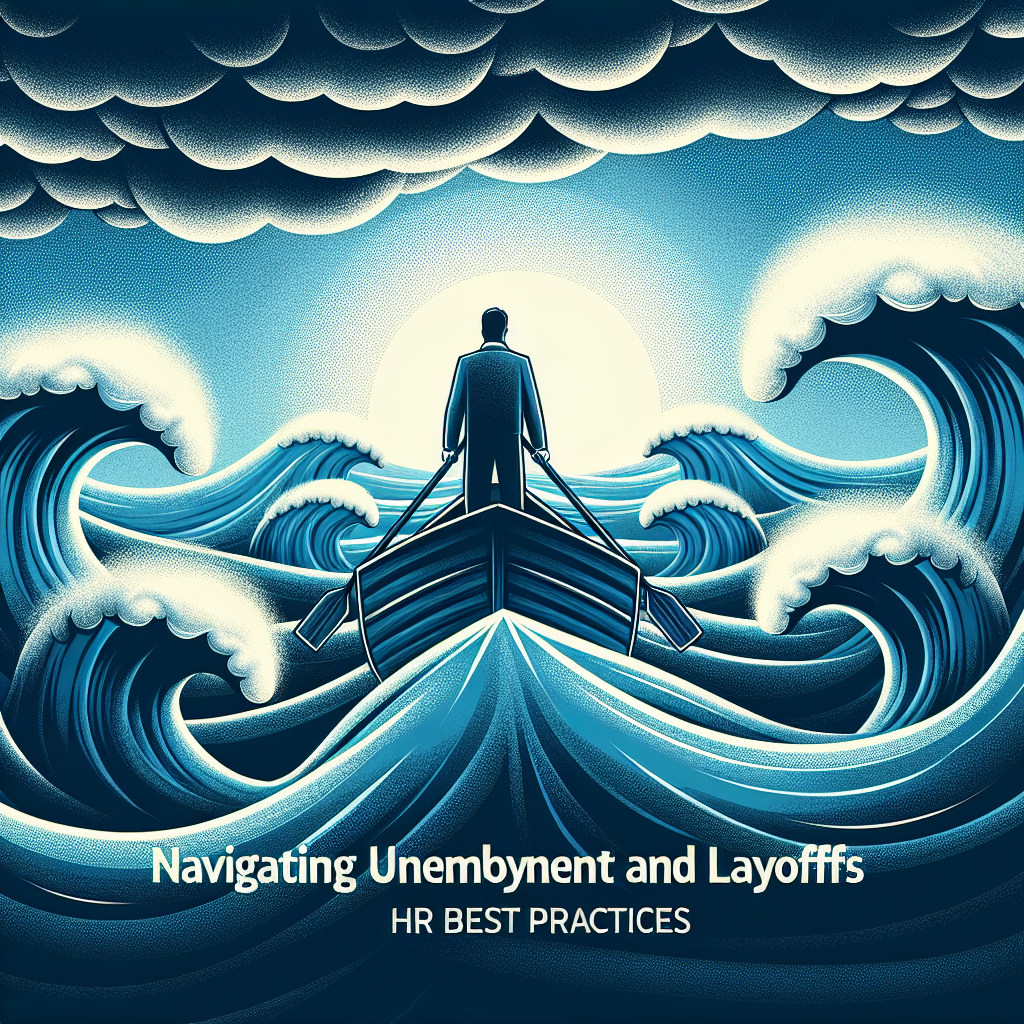
Navigating Unemployment and Layoffs: HR Best Practices
Communicating with Employees
During times of uncertainty and layoffs, effective communication with employees is crucial. HR departments should strive to be transparent and empathetic in their messaging to ensure employees feel informed and supported. This may include:
- Hosting virtual town hall meetings to address concerns and provide updates.
- Sending regular email updates with resources for mental health and financial support.
- Offering one-on-one meetings with HR representatives to address individual concerns.
- Providing clear information on the company’s plans and timeline for rehiring if applicable.
Supporting Mental Health and Well-being
Losing a job can have a significant impact on an individual’s mental health and well-being. HR departments can implement strategies to support employees during this challenging time, such as:
- Offering access to counseling services or mental health resources.
- Encouraging employees to take breaks and practice self-care activities.
- Organizing virtual social events to maintain a sense of community and connection.
- Providing information on unemployment benefits and resources for financial assistance.
Severance Packages and Outplacement Services
When conducting layoffs, HR departments should consider providing fair and comprehensive severance packages to departing employees. This may include:
- Severance pay based on length of service and position within the company.
- Extended healthcare benefits to support employees during the transition period.
- Outplacement services to assist employees in finding new job opportunities.
- Training and development programs to help employees enhance their skills and marketability.
Rebuilding Trust and Morale
After a round of layoffs, rebuilding trust and morale within the remaining workforce is essential for maintaining employee engagement and productivity. HR departments can take steps to foster a positive work environment, such as:
- Openly addressing concerns and questions from employees about the layoffs.
- Recognizing and celebrating the contributions of employees who remain with the company.
- Providing opportunities for professional development and career advancement.
- Encouraging team-building activities and initiatives to boost morale.
Leveraging Technology for Virtual Onboarding and Training Programs

Benefits of Virtual Onboarding
In the wake of the global Covid-19 crisis, many organizations have shifted to virtual onboarding processes to welcome and train new employees remotely. This approach offers several benefits:
- Cost-effective: Virtual onboarding eliminates the need for travel and accommodation expenses for new hires.
- Time-saving: With virtual onboarding, new employees can complete training modules at their own pace, saving time for both the organization and the individual.
- Flexibility: Virtual onboarding allows new hires to participate from any location, enabling a more diverse and inclusive workforce.
- Scalability: Organizations can easily onboard multiple employees simultaneously through virtual platforms, ensuring consistency in training delivery.
Best Practices for Virtual Training Programs
When designing virtual training programs, it is important to follow best practices to ensure engagement and effectiveness:
- Interactive content: Incorporate quizzes, polls, and interactive activities to keep participants engaged throughout the training.
- Clear communication: Provide detailed instructions and expectations for participants to avoid confusion and ensure a smooth training experience.
- Feedback mechanisms: Encourage participants to provide feedback on the training program to continuously improve and tailor content to their needs.
- Technology support: Ensure that participants have access to technical support during the training to address any issues promptly.
Case Study: Zoom’s Virtual Onboarding Success
One example of a company that successfully leveraged technology for virtual onboarding is Zoom, a video conferencing platform. During the pandemic, Zoom quickly adapted its onboarding process to a virtual format, utilizing its own platform for training sessions and team meetings. The results were impressive:
- Increased efficiency: Virtual onboarding allowed Zoom to onboard new employees faster and more efficiently than traditional methods.
- Improved retention: The interactive nature of virtual training programs at Zoom led to higher engagement and retention rates among new hires.
- Cost savings: By eliminating the need for in-person training sessions, Zoom saved on travel and accommodation expenses for new employees.
- Positive feedback: New hires at Zoom reported high satisfaction with the virtual onboarding experience, praising the company’s use of technology for training.
Future Trends in Virtual Onboarding
As organizations continue to navigate the impact of the global Covid-19 crisis, virtual onboarding is likely to become a permanent fixture in the HR landscape. Some future trends to watch out for include:
- Personalized learning paths: Using AI and data analytics to tailor training programs to individual employees’ needs and preferences.
- Virtual reality training: Incorporating VR technology for immersive and interactive training experiences, especially for hands-on roles.
- Global collaboration: Leveraging virtual onboarding to facilitate cross-border collaboration and training for remote teams around the world.
- Continuous learning: Implementing a culture of continuous learning through virtual platforms to upskill and reskill employees as needed.
Conclusion
As we continue to navigate the impact of the global Covid-19 crisis, it is crucial to stay informed and prepared. By understanding the key aspects of this crisis and taking necessary precautions, we can better protect ourselves and our communities.
- Stay updated on the latest guidelines and recommendations from health authorities.
- Practice good hygiene habits, such as washing hands frequently and wearing masks in public spaces.
- Stay informed about travel restrictions and guidelines to minimize the spread of the virus.
By staying informed, practicing good hygiene, and following guidelines, we can all do our part to mitigate the impact of the Covid-19 crisis and protect the health and safety of our communities.
Frequently Asked Questions
Q: What is the current status of the global Covid-19 crisis?
A: The global Covid-19 crisis is still ongoing, with cases continuing to rise in some regions while others are seeing a decline in new infections.
Q: How can I protect myself and others from Covid-19?
A: The best way to protect yourself and others is to practice good hygiene, wear a mask in public spaces, maintain social distancing, and get vaccinated if eligible.
Q: How has the global economy been impacted by the Covid-19 crisis?
A: The global economy has taken a hit due to lockdowns and restrictions that have disrupted supply chains, led to job losses, and decreased consumer spending.
Q: What resources are available for individuals and businesses affected by the crisis?
A: Governments around the world have implemented various financial aid programs to support individuals and businesses during this challenging time. Additionally, many non-profit organizations are offering assistance with food, housing, and other basic needs.
Q: How can I stay informed about the latest developments related to Covid-19?
A: Stay informed by following reputable sources such as the World Health Organization, the Centers for Disease Control and Prevention, and your local health department. It’s also important to be cautious of misinformation and rumors circulating on social media.
Leave a Reply