


Unlocking the Power of Identification: How to Seamlessly Recognize and Connect with Others
Understanding the Importance of Identification – Rapport
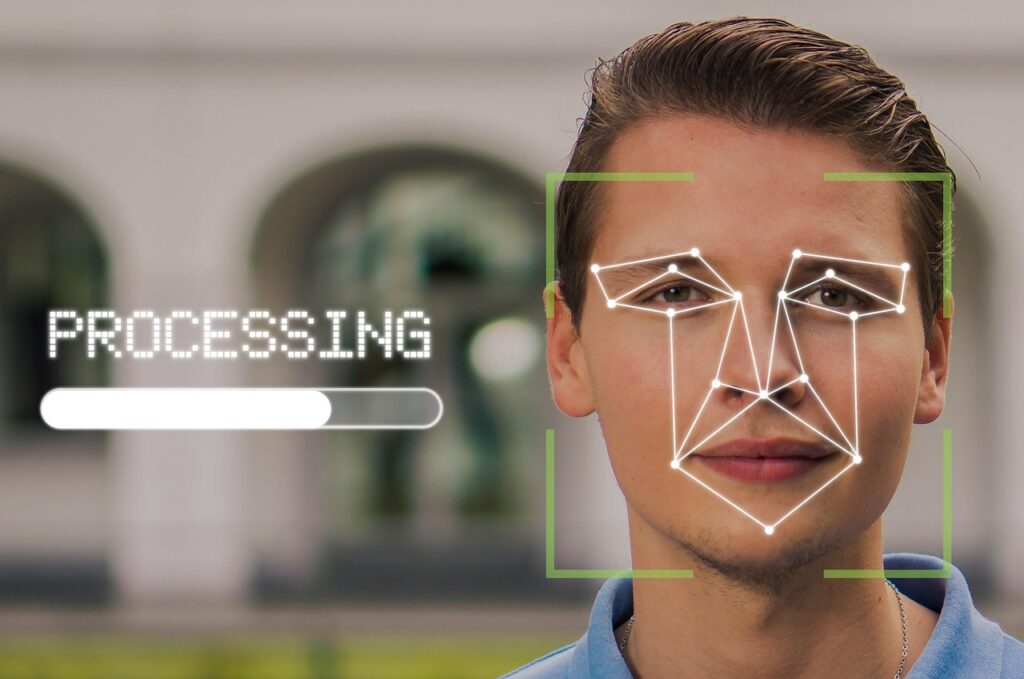
Why is identification important in human interactions?
Identification is crucial in human interactions as it helps individuals feel seen, heard, and understood. When we recognize and acknowledge others, it fosters a sense of Connection and belonging. Connection is a foundational topic here. Recognition is equally relevant.
Not only does identification enhance relationships, but it also plays a significant role in building trust and rapport with others. By showing genuine interest in someone’s identity, we can create a more meaningful and authentic connection.
Furthermore, identification can lead to improved communication and collaboration in both personal and professional settings. When we make an effort to understand and recognize others, it paves the way for effective teamwork and cooperation.
Overall, identification is a powerful tool that can strengthen relationships, foster empathy, and create a sense of community among individuals.
Real-life example: In a workplace scenario, a manager who takes the time to identify and appreciate the unique strengths and qualities of each team member is more likely to build a cohesive and high-performing team.
The Role of Empathy in Identification
Empathy is a key component of identification as it involves putting yourself in someone else’s shoes and understanding their perspective. By practicing empathy, we can develop a deeper connection with others and build stronger relationships.
When we approach interactions with empathy, we are better able to recognize and validate the emotions and experiences of those around us. This can lead to increased trust, mutual respect, and a greater sense of understanding between individuals.
Empathy also plays a crucial role in conflict resolution and problem-solving. By empathizing with others, we can navigate difficult situations more effectively and find common ground to work towards a solution.
Real-life example: A customer service representative who demonstrates empathy towards a frustrated customer by acknowledging their concerns and offering solutions is more likely to resolve the issue satisfactorily.
Building Emotional Intelligence through Identification
Identification is closely linked to emotional intelligence, which involves the ability to recognize, understand, and manage our own emotions as well as those of others. By honing our identification skills, we can enhance our emotional intelligence and improve our relationships.
When we are able to identify and empathize with the emotions of others, we can respond more effectively to their needs and concerns. This can lead to greater emotional connection, trust, and cooperation in our interactions.
Furthermore, emotional intelligence can help us navigate complex social situations, communicate more effectively, and resolve conflicts with greater ease. By cultivating our identification skills, we can become more emotionally intelligent individuals.
Real-life example: A leader who demonstrates emotional intelligence by recognizing and addressing the emotions of their team members is more likely to create a positive and supportive work environment.
Overcoming Barriers to Identification
Despite the benefits of identification, there are several barriers that can hinder our ability to recognize and connect with others. These barriers may include cultural differences, biases, lack of awareness, and communication challenges.
To overcome these barriers, it is important to practice active listening, show curiosity about others’ experiences, and be open-minded towards different perspectives. By actively working to overcome these barriers, we can enhance our identification skills and build stronger relationships.
Additionally, self-reflection and awareness can help us identify and address our own biases and assumptions that may be affecting our ability to connect with others. By acknowledging and challenging these barriers, we can become more inclusive and empathetic individuals.
Real-life example: A team that actively works to overcome cultural differences and biases by fostering open communication and mutual respect is more likely to achieve greater collaboration and success.
Practical Strategies for Enhancing Identification
There are several practical strategies that individuals and organizations can implement to enhance their identification skills and improve their connections with others. These strategies may include:
- Identification
- Active listening: Paying attention to others’ words, emotions, and body language can help us better understand their perspectives and experiences.
- Asking questions: Showing genuine interest in others by asking thoughtful questions can demonstrate empathy and deepen connections.
- Seeking feedback: Requesting feedback from others on how we can improve our interactions and communication can help us identify areas for growth.
- Practicing empathy: Putting ourselves in someone else’s shoes and imagining their feelings and experiences can enhance our ability to connect with them.
- Building cultural awareness: Learning about different cultures, backgrounds, and perspectives can help us navigate diverse interactions with sensitivity and respect.
By incorporating these strategies into our daily interactions, we can unlock the power of identification and build stronger, more meaningful relationships with others.
Real-life example: An organization that promotes a culture of active listening, empathy, and inclusivity is more likely to attract and retain diverse talent and foster a positive work environment.
The Impact of Identification in HR

Enhancing Employee Engagement through Identification
Identification plays a crucial role in HR by enhancing employee engagement, satisfaction, and retention. When employees feel recognized, valued, and understood, they are more likely to be motivated, productive, and loyal to their organization.
HR professionals can leverage identification strategies to create a supportive and inclusive work environment where employees feel seen and appreciated for their unique contributions. By fostering a culture of identification, organizations can boost morale, teamwork, and overall performance.
Furthermore, HR can play a key role in promoting diversity, equity, and inclusion by actively working to overcome barriers to identification and create a sense of belonging for all employees. By prioritizing identification in HR practices, organizations can cultivate a more diverse and vibrant workforce.
Real-life example: A company that values and celebrates the diverse identities and experiences of its employees through inclusive HR policies and practices is more likely to attract top talent and foster a culture of innovation and collaboration.
Improving Leadership Effectiveness through Identification
Identification is essential for effective leadership as it allows leaders to connect with their team members on a personal level, understand their strengths and needs, and inspire them to achieve their full potential. By demonstrating empathy, emotional intelligence, and inclusivity, leaders can build trust, loyalty, and commitment among their teams.
HR can support leadership development by providing training and resources to help leaders enhance their identification skills, communicate more effectively, and create a positive workplace culture. By equipping leaders with the tools and knowledge to recognize and connect with others, HR can drive organizational success and employee engagement.
Real-life example: A manager who fosters identification among their team members by recognizing and celebrating their achievements, providing personalized feedback, and promoting a culture of trust and collaboration is more likely to inspire high performance and loyalty.
Creating a Culture of Inclusion through Identification
Identification is a cornerstone of creating a culture of inclusion where all individuals feel valued, respected, and supported. HR can play a pivotal role in promoting diversity, equity, and inclusion by implementing identification initiatives that celebrate the unique identities and contributions of employees.
By fostering a sense of belonging and connection among employees, organizations can create a more welcoming and supportive work environment where everyone can thrive. HR can lead the way in championing inclusion through recruitment, training, policies, and practices that prioritize identification and diversity.
Real-life example: An organization that values identification and inclusion by actively seeking diverse perspectives, promoting equity in opportunities, and fostering a sense of belonging is more likely to attract and retain top talent and drive innovation and success.
Measuring the Impact of Identification in HR
Identifying and measuring the impact of identification in HR is essential for assessing the effectiveness of identification initiatives, identifying areas for improvement, and driving organizational change. HR professionals can use a variety of metrics and tools to evaluate the impact of identification on employee engagement, satisfaction, retention, and performance.
Some key metrics for measuring the impact of identification in HR may include employee feedback surveys, turnover rates, performance evaluations, diversity and inclusion metrics, and leadership assessments. By collecting and analyzing data on identification, HR can make informed decisions and implement targeted strategies to enhance employee connections and organizational outcomes.
Real-life example: An HR team that tracks and analyzes employee engagement survey data, turnover rates, and diversity metrics to assess the impact of identification initiatives is better equipped to make data-driven decisions and drive positive change within the organization.
Implementing Identification Practices in HR
HR professionals can implement a variety of identification practices to enhance employee connections, foster inclusivity, and drive organizational success. Some effective identification practices in HR may include:
- Organizational values and mission: Communicating and reinforcing organizational values and mission statements can help employees identify with the company’s purpose and feel a sense of belonging.
- Employee recognition programs: Implementing employee recognition programs that celebrate individual achievements, milestones, and contributions can boost morale and engagement.
- Diversity and inclusion training: Providing training and resources on diversity, equity, and inclusion can help employees and leaders develop identification skills and create a more inclusive workplace.
- Employee resource groups: Establishing employee resource groups that celebrate diverse identities and provide a platform for connection and support can foster a sense of community and belonging.
- Leadership development programs: Offering leadership development programs that focus on empathy, emotional intelligence, and inclusivity can help leaders enhance their identification skills and drive organizational success.
By incorporating these identification practices into HR strategies and initiatives, organizations can create a more connected, inclusive, and engaged workforce.
Real-life example: An HR department that implements employee resource groups, diversity training, and leadership development programs to promote identification and inclusion is more likely to create a positive and supportive workplace culture where employees feel valued and respected.
Conclusion
Identification is a powerful tool that can enhance relationships, foster empathy, and create a sense of connection and belonging among individuals. By recognizing and connecting with others on a personal level, we can build stronger, more meaningful relationships in both personal and professional settings.
HR professionals play a critical role in promoting identification through leadership development, diversity and inclusion initiatives, and employee engagement strategies. By prioritizing identification in HR practices, organizations can create a more inclusive, supportive, and engaged workforce.
By implementing practical strategies, overcoming barriers, and measuring the impact of identification, HR can drive positive change, enhance employee connections, and foster a culture of inclusion and belonging within organizations.
FAQs
What is the role of empathy in identification?
Empathy plays a key role in identification as it involves putting yourself in someone else’s shoes and understanding their perspective. By practicing empathy, we can develop a deeper connection with others and build stronger relationships.
How can organizations promote identification in the workplace?
Organizations can promote identification in the workplace by implementing employee recognition programs, diversity and inclusion training, leadership development programs, and other initiatives that celebrate individual identities and foster a sense of belonging.
How can HR professionals measure the impact of identification initiatives?
HR professionals can measure the impact of identification initiatives by collecting and analyzing data on employee engagement, satisfaction, retention, performance, diversity and inclusion metrics, and leadership assessments.
What are some practical strategies for enhancing identification skills?
Some practical strategies for enhancing identification skills may include active listening, asking questions, seeking feedback, practicing empathy, and building cultural awareness.
How can leaders improve their identification skills?
Leaders can improve their identification skills by demonstrating empathy, emotional intelligence, and inclusivity, and by connecting with their team members on a personal level to understand their strengths and needs.
How can HR overcome barriers to identification in the workplace?
HR can overcome barriers to identification in the workplace by promoting active listening, curiosity, open-mindedness, self-reflection, awareness, and by addressing biases and assumptions that may hinder the ability to connect with others.
Images sourced via Pexels.
Leave a Reply