

How to Adjust Your Coaching Approach for leaders from Diverse Cultures
This article on coaching approach for leaders from diverse cultures also touches on related topics like leaders, inclusion, flexibility, communication styles.
Coaching leaders from diverse cultures requires a nuanced and adaptable approach. In today’s globalized world, it’s essential for coaches to understand and respect the cultural differences that shape their clients’ perspectives, behaviors, and expectations. By tailoring your coaching style to accommodate these differences, you can build stronger relationships with your clients and help them achieve their full potential. Leaders is a foundational topic here. Flexibility is equally relevant.
Understanding Cultural Differences – inclusion
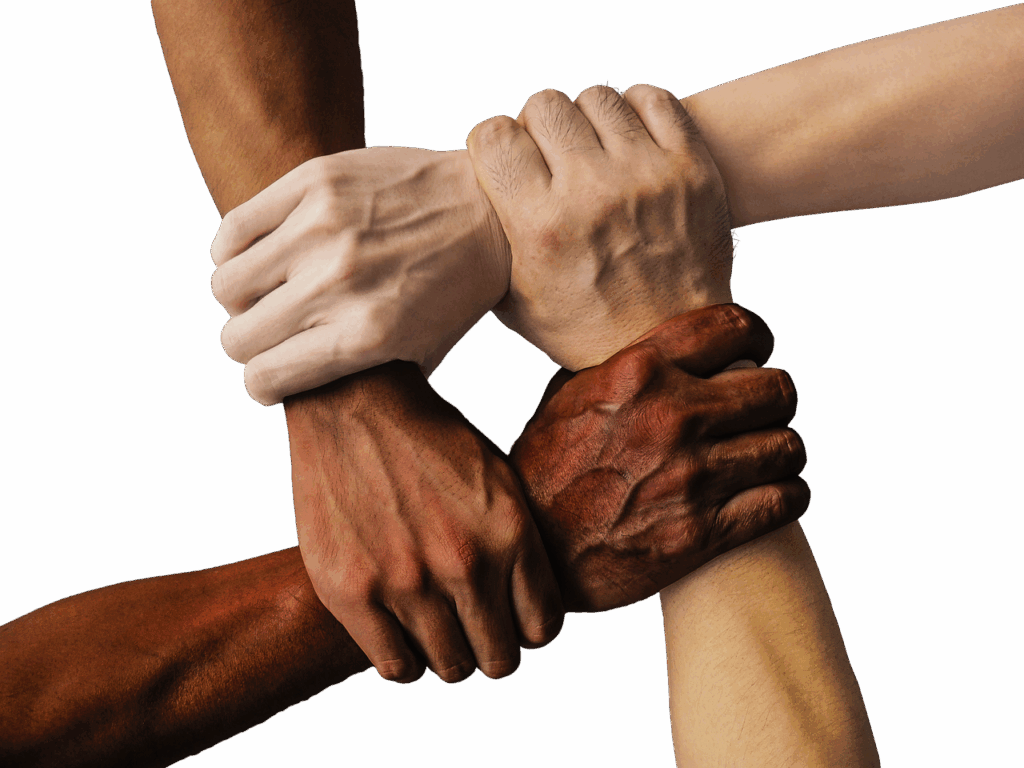

Recognize Cultural Norms
Every culture has its own set of norms, values, and beliefs that influence how individuals think and behave. As a coach, it’s important to familiarize yourself with the cultural norms of your clients to avoid misunderstandings and conflicts. Be open-minded and willing to learn about different cultural practices to better support your clients.
For example, in some cultures, hierarchy plays a significant role in leadership dynamics, while in others, collaboration and consensus-building are valued. Understanding these differences can help you tailor your coaching approach to meet the needs of leaders from diverse cultural backgrounds.
By acknowledging and respecting cultural norms, you can create a safe and supportive environment for your clients to explore their leadership challenges and opportunities.
Effective Communication Strategies
Communication styles vary across cultures, and what may be considered appropriate or effective in one culture may not resonate with leaders from other cultural backgrounds. When coaching leaders from diverse cultures, it’s crucial to adapt your communication style to ensure clarity and understanding.
Use simple and concise language, avoid jargon or slang that may not translate well, and be mindful of non-verbal cues such as body language and gestures. Encourage open and honest dialogue, and be receptive to feedback from your clients on how they prefer to communicate.
By establishing clear channels of communication and actively listening to your clients’ needs and preferences, you can foster trust and rapport in your coaching relationships.
Building Cultural Competence
Cultural competence is the ability to interact effectively with people from different cultures and backgrounds. As a coach, developing cultural competence is essential for building strong relationships with leaders from diverse cultures and helping them navigate cross-cultural challenges.
Engage in continuous learning and self-reflection to deepen your understanding of cultural diversity and its impact on leadership development. Seek out opportunities to broaden your cultural awareness through training, workshops, or partnerships with diverse communities.
By enhancing your cultural competence, you can adapt your coaching approach to meet the unique needs and preferences of leaders from diverse cultural backgrounds, ultimately fostering a more inclusive and supportive coaching environment.
Adapting Your Coaching Approach


Customized Coaching Plans
One-size-fits-all coaching approaches may not be effective when working with leaders from diverse cultures. Tailor your coaching plans to accommodate the specific cultural backgrounds, values, and goals of your clients. Take the time to understand their unique challenges and aspirations, and co-create customized coaching plans that align with their cultural preferences.
Consider incorporating cultural rituals, traditions, or perspectives into your coaching sessions to make them more relatable and meaningful for your clients. By adapting your coaching approach to reflect the cultural nuances of your clients, you can enhance the relevance and impact of your coaching interventions.
Flexibility and creativity are key when customizing coaching plans for leaders from diverse cultures, so be open to exploring new strategies and techniques that resonate with your clients’ cultural identities.
Embracing Diversity and Inclusion
Embrace diversity and inclusion as core values in your coaching practice. Create a welcoming and inclusive space where leaders from diverse cultures feel valued, respected, and empowered to share their unique perspectives and experiences. Celebrate the richness of cultural diversity and leverage it as a strength in your coaching relationships.
Encourage cross-cultural dialogue and learning among your clients to foster mutual understanding and collaboration. Facilitate opportunities for leaders from diverse cultures to share their insights, challenges, and best practices with each other, creating a supportive community of learning and growth.
By promoting diversity and inclusion in your coaching practice, you can cultivate a more inclusive and equitable leadership development environment that benefits both your clients and the organizations they lead.
Adaptability and Flexibility
Be adaptable and flexible in your coaching approach to accommodate the evolving needs and cultural dynamics of your clients. Recognize that cultural preferences and expectations may change over time, requiring you to adjust your coaching strategies and interventions accordingly.
Stay attuned to your clients’ feedback and be willing to modify your coaching style to better align with their evolving goals and aspirations. Embrace change and uncertainty as opportunities for growth and learning, and encourage your clients to embrace the same mindset in their leadership journey.
By practicing adaptability and flexibility in your coaching approach, you can build stronger, more resilient coaching relationships with leaders from diverse cultures and support their ongoing development and success.
Conclusion
Cultural diversity enriches the coaching experience by bringing a multitude of perspectives, values, and insights to the table. As a coach, adjusting your approach to accommodate leaders from diverse cultures is essential for building meaningful and impactful coaching relationships. By understanding cultural differences, adapting your communication style, building cultural competence, customizing coaching plans, embracing diversity and inclusion, and practicing adaptability and flexibility, you can create a supportive and inclusive coaching environment that fosters growth, learning, and transformation for leaders from diverse cultures.
FAQs
Q: How can I enhance my cultural competence as a coach?
A: To enhance your cultural competence as a coach, engage in continuous learning, seek out cultural diversity training, participate in workshops, and build partnerships with diverse communities. Self-reflection and open dialogue with clients from different cultural backgrounds can also help deepen your understanding of cultural diversity and its impact on coaching relationships.
Q: What are some common challenges when coaching leaders from diverse cultures?
A: Common challenges when coaching leaders from diverse cultures include differences in communication styles, values, and leadership norms. Misunderstandings, conflicts, and cultural biases can also impact coaching relationships. By recognizing these challenges and adapting your coaching approach accordingly, you can navigate cross-cultural dynamics more effectively.
Q: How can I promote diversity and inclusion in my coaching practice?
A: To promote diversity and inclusion in your coaching practice, create a welcoming and inclusive environment for leaders from diverse cultures. Celebrate cultural diversity, encourage cross-cultural dialogue, and facilitate learning opportunities among your clients. Embrace diversity as a strength and leverage it to enhance the coaching experience for all parties involved.
{
“@context”: “https://schema.org”,
“@type”: “BlogPosting”,
“headline”: “How to Adjust Your Coaching Approach for Leaders from Diverse Cultures”,
“datePublished”: “2022-10-15”,
“image”: “https://example.com/images/coaching-diverse-cultures.jpg”,
“author”: {
“@type”: “Person”,
“name”: “Your Name”
}
}
Images sourced via Pexels.
.lsi-tag {
display: inline-block;
margin: 2px;
padding: 4px 10px;
background: #f3f3f3;
color: #333;
border-radius: 12px;
text-decoration: none;
font-size: 0.9em;
transition: background 0.2s ease-in-out;
}
.lsi-tag:hover {
background: #ddd;
}
Leave a Reply