

Navigating Conflicts with Team Members of Diverse Leadership Backgrounds
Understanding Diverse Leadership Backgrounds – active engagement

Embrace Differences
It’s essential to recognize and embrace the diverse leadership backgrounds within your team. Each individual brings a unique set of skills, experiences, and perspectives to the table. By acknowledging and valuing these differences, you can create a more inclusive and collaborative work environment. conflict resolution is a foundational topic here. trust is equally relevant.
? Tip: Encourage team members to share their backgrounds and experiences during team meetings or workshops to foster mutual understanding.
When conflicts arise, remember that different leadership backgrounds may influence how team members communicate, make decisions, and approach challenges. By understanding these differences, you can better navigate conflicts and find effective solutions.
Building Trust and Respect
Trust and respect are the foundation of any successful team dynamic, especially when team members come from diverse leadership backgrounds. Building strong relationships based on trust and respect can help prevent conflicts from escalating and aid in resolving them constructively.
? Communication is key. Encourage open and honest conversations among team members to address any misunderstandings or differences in perspective that may arise.
When team members feel valued and respected for their unique contributions, they are more likely to work together harmoniously and overcome conflicts effectively.
Leading by Example
As a leader, it’s crucial to set a positive example for how team members of diverse backgrounds should interact and collaborate. By demonstrating inclusivity, empathy, and open-mindedness, you can create a culture of respect and understanding within your team.
? Tip: Encourage team members to actively listen to one another and consider different viewpoints before jumping to conclusions during conflicts.
Lead by example by seeking input from all team members, regardless of their leadership backgrounds, and fostering a culture of cooperation and mutual respect.
Effective Conflict Resolution Strategies

Active Listening and Empathy
One of the most powerful tools in resolving conflicts is active listening and empathy. When team members feel heard and understood, they are more likely to collaborate and find common ground. Practice empathy by putting yourself in the shoes of others and seeking to understand their perspectives.
? Repeat back what you’ve heard to ensure clear communication and show that you value the other person’s point of view.
By actively listening and showing empathy, you can de-escalate conflicts and work towards finding mutually beneficial solutions.
Seeking Mediation
When conflicts become particularly challenging to resolve within the team, seeking mediation from a neutral third party can help facilitate constructive dialogue and find a resolution. A mediator can offer an objective perspective and guide the discussion towards a mutually acceptable outcome.
? Tip: Consider involving a professional mediator or HR representative to help navigate complex conflicts and ensure a fair and respectful resolution process.
Mediation can provide a safe space for team members to express their concerns, clarify misunderstandings, and work towards a positive resolution without escalating tensions.
Creating a Positive Conflict Resolution Culture
Building a positive conflict resolution culture within your team is essential for addressing conflicts effectively and fostering a collaborative work environment. Encourage team members to view conflicts as opportunities for growth and learning, rather than as obstacles or sources of division.
? Establish clear guidelines and processes for resolving conflicts, such as setting up regular team meetings to address concerns and promoting open communication channels for sharing feedback and addressing issues promptly.
By creating a culture that values constructive conflict resolution, you can empower your team to work through disagreements productively and strengthen their relationships in the process.
Embracing Diversity and Inclusion
Valuing Diverse Perspectives
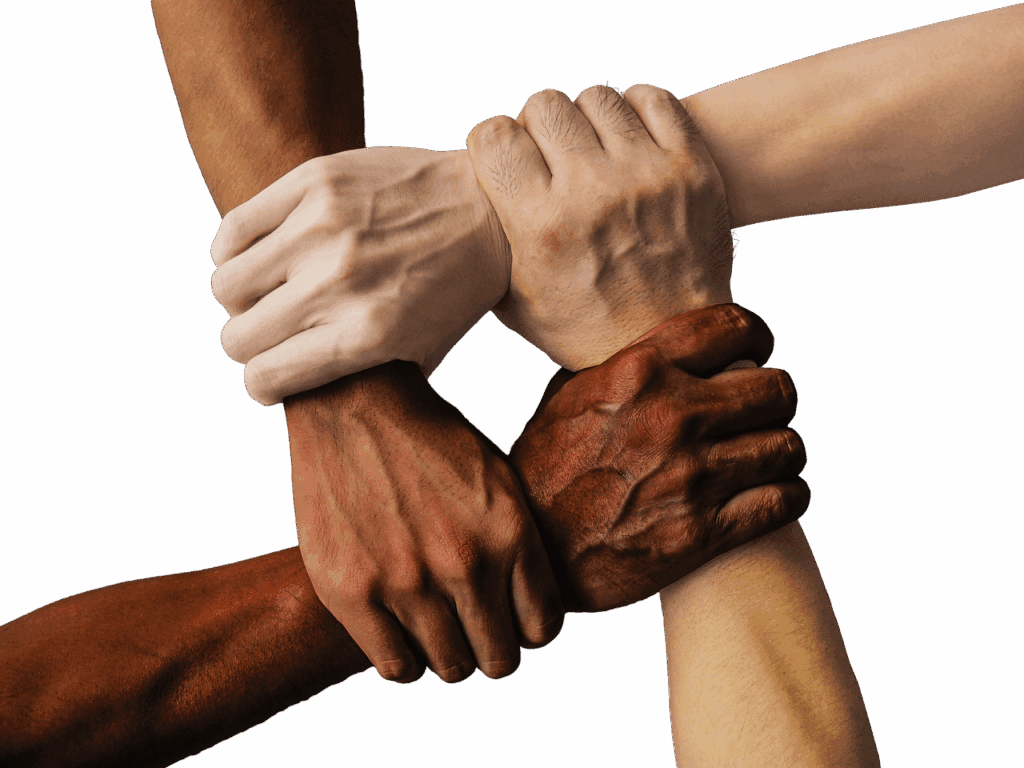
When conflicts arise between team members of diverse leadership backgrounds, it’s important to recognize the value that each individual brings to the team. Embrace diverse perspectives and experiences as strengths that can enrich the team’s collective knowledge and creativity.
? Tip: Encourage team members to share their unique insights and ideas during brainstorming sessions or collaborative projects to leverage the power of diversity in problem-solving.
By valuing diverse perspectives, you can foster a culture of inclusion and innovation that benefits the entire team.
Promoting Inclusive Decision-Making
Inclusive decision-making processes can help prevent conflicts stemming from differences in leadership backgrounds. Involve team members in decision-making discussions and seek input from individuals with varying perspectives to ensure that all voices are heard and considered.
? Establish a feedback loop to gather input and feedback from team members on important decisions, allowing for transparency and inclusivity in the decision-making process.
By promoting inclusive decision-making, you can build trust among team members and minimize the risk of conflicts arising from perceived biases or lack of representation.
Celebrating Diversity and Achievements
Recognizing and celebrating the diversity of leadership backgrounds within your team can help foster a sense of belonging and pride among team members. Acknowledge the unique contributions and achievements of individuals from diverse backgrounds to create a culture of appreciation and respect.
? Tip: Host team-building activities or events that celebrate diversity and encourage cross-cultural exchange to strengthen bonds and promote unity within the team.
By celebrating diversity and highlighting the achievements of all team members, you can create a supportive and inclusive work environment that values and respects each individual’s unique identity.
Effective Communication Strategies

Clear and Transparent Communication
Clear and transparent communication is essential for preventing and resolving conflicts within a diverse team. Ensure that team members are informed about expectations, goals, and responsibilities to avoid misunderstandings and confusion that can lead to conflicts.
? Use multiple communication channels, such as team meetings, emails, and project management tools, to keep everyone on the same page and facilitate open dialogue among team members.
By fostering clear and transparent communication, you can reduce the likelihood of conflicts arising from miscommunication or lack of information.
Respectful and Constructive Feedback
Providing respectful and constructive feedback is crucial for addressing conflicts and promoting growth within a diverse team. Offer feedback in a timely and professional manner, focusing on specific behaviors or actions rather than personal characteristics or assumptions.
? Tip: Encourage a culture of feedback exchange among team members, where constructive criticism is welcomed and used as an opportunity for learning and improvement.
By promoting respectful and constructive feedback, you can create a supportive environment where team members feel empowered to address conflicts proactively and seek opportunities for personal and professional development.
Active Engagement and Collaboration
Encouraging active engagement and collaboration among team members can help prevent conflicts and foster a sense of unity and camaraderie within a diverse team. Create opportunities for team members to collaborate on projects, share ideas, and work towards common goals together.
? Foster a culture of teamwork and inclusivity where all team members are encouraged to participate, contribute, and support one another in achieving shared objectives.
By promoting active engagement and collaboration, you can build stronger relationships among team members and reduce the likelihood of conflicts arising from isolation or exclusion.
Resolving Conflicts Respectfully
Remaining Calm and Professional
When conflicts emerge within a diverse team, it’s crucial to remain calm and professional in your approach to resolving them. Avoid reacting impulsively or emotionally, and instead, take a step back to assess the situation objectively and develop a thoughtful response.
? Practice stress management techniques, such as deep breathing or taking a short break, to maintain your composure and approach conflicts with a clear and focused mindset.
By remaining calm and professional, you can de-escalate tensions and create a safe space for constructive dialogue and resolution.
Seeking Common Ground
During conflicts with team members of diverse leadership backgrounds, seek common ground and shared goals that can serve as a basis for finding a resolution. Focus on areas of agreement and mutual interest to build rapport and move towards a collaborative solution.
? Tip: Frame the conflict as an opportunity to learn from different perspectives and explore innovative solutions that leverage the diversity of your team’s experiences and skills.
By seeking common ground and emphasizing shared objectives, you can bridge differences and work towards a resolution that benefits everyone involved.
Following Up and Reflecting
After resolving conflicts within a diverse team, it’s important to follow up with team members to ensure that the resolution remains effective and sustainable in the long term. Reflect on the conflict and the resolution process to identify any lessons learned and areas for improvement in handling future conflicts.
? Encourage team members to share their feedback on the resolution process and provide suggestions for how conflicts can be addressed more effectively in the future.
By following up and reflecting on conflicts, you can promote continuous learning and growth within your team, strengthening their ability to navigate conflicts with greater understanding and resilience.
Conclusion
In a diverse team with members from various leadership backgrounds, conflicts are inevitable. However, by understanding and embracing diversity, building trust and respect, leading by example, and implementing effective conflict resolution strategies, you can navigate conflicts with grace and professionalism.
Remember to value diverse perspectives, promote inclusive decision-making, celebrate diversity and achievements, foster clear and transparent communication, provide respectful feedback, encourage active engagement and collaboration, and resolve conflicts respectfully by remaining calm, seeking common ground, and reflecting on the resolution process.
By fostering a culture of respect, understanding, and inclusivity, you can empower your team to work together harmoniously, leveraging their diverse experiences and skills to achieve shared goals and drive success.
FAQs
Q: How can I promote inclusivity and respect within a diverse team?
A: You can promote inclusivity and respect within a diverse team by valuing diverse perspectives, celebrating diversity, fostering clear and transparent communication, and encouraging active engagement and collaboration among team members.
Q: What should I do if conflicts arise between team members of diverse leadership backgrounds?
A: If conflicts arise between team members of diverse leadership backgrounds, it’s essential to remain calm and professional, seek common ground, and follow up with team members to ensure that the resolution remains effective and sustainable in the long term.
Q: How can I develop effective conflict resolution strategies for a diverse team?
A: To develop effective conflict resolution strategies for a diverse team, you can practice active listening and empathy, seek mediation when conflicts become challenging to resolve, and create a positive conflict resolution culture that values constructive dialogue and mutual respect.
{
“@context”: “https://schema.org”,
“@type”: “BlogPosting”,
“headline”: “Navigating Conflicts with Team Members of Diverse Leadership Backgrounds”,
“datePublished”: “2023-10-01”,
“author”: {
“@type”: “Person”,
“name”: “Your Name”
},
“publisher”: {
“@type”: “Organization”,
“name”: “Your Company”,
“logo”: {
“@type”: “ImageObject”,
“url”: “https://www.yourcompany.com/logo.jpg”
}
}
}
Images sourced via Pexels.
.lsi-tag {
display: inline-block;
margin: 2px;
padding: 4px 10px;
background: #f3f3f3;
color: #333;
border-radius: 12px;
text-decoration: none;
font-size: 0.9em;
transition: background 0.2s ease-in-out;
}
.lsi-tag:hover {
background: #ddd;
}
Diverse leadership inclusive decision-making mediation diversity communication
Leave a Reply