

Navigating Team dynamics: Asserting leadership as a New Coach in the Face of Resistance
Introduction – conflict
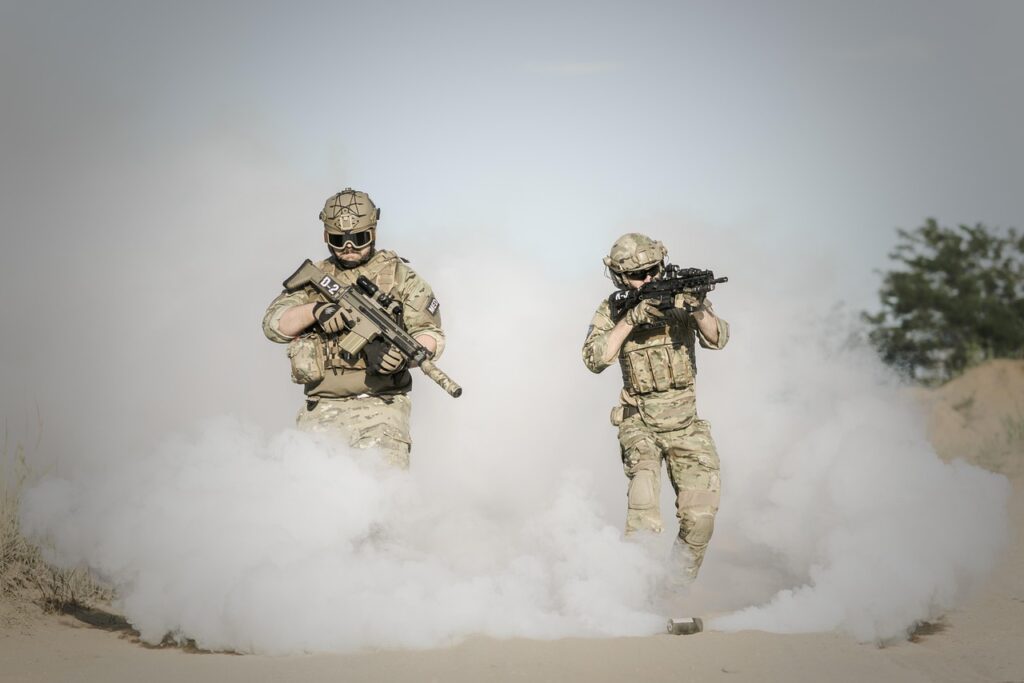
Understanding Team Dynamics
This article on Leading as a New Coach in Team Dynamics also touches on related topics like feedback, conflict, collaboration, leadership.
Team dynamics are the unconscious, psychological forces that influence the direction of a team’s behavior and performance. As a new coach, it’s essential to grasp the underlying dynamics at play within your team. This understanding will help you navigate through challenges and build a cohesive and high-performing team. Feedback is a foundational topic here. Collaboration is equally relevant.
Teams are made up of individuals with unique personalities, strengths, and weaknesses. It’s crucial to recognize and appreciate the diversity within your team. By valuing each team member’s contributions, you can foster a positive and inclusive team culture.
Effective team dynamics involve clear communication, mutual respect, and collaboration. As a new coach, you have the opportunity to set the tone for how your team interacts and works together. By establishing a foundation of trust and open communication, you can overcome resistance and lead your team towards success.
Building Trust and Credibility

Earning Respect
One of the first steps in asserting your leadership as a new coach is to earn the respect of your team members. This can be achieved by demonstrating your knowledge, expertise, and commitment to their success. Show that you are invested in their development and well-being, and they will be more likely to trust and follow your lead.
Be transparent in your communication and actions, and always follow through on your promises. Consistency and reliability are key elements in building trust with your team. By being honest, approachable, and accountable, you can establish yourself as a credible and trustworthy leader.
Listen to your team members’ feedback and concerns, and be willing to make adjustments based on their input. Showing that you value their opinions and are open to collaboration will help foster a sense of trust and teamwork within the group.
Managing Resistance and Conflict

Addressing Resistance
Resistance to new leadership is a common challenge faced by many coaches. It can stem from various factors, such as fear of change, uncertainty, or a lack of trust in the new coach’s abilities. To address resistance effectively, it’s important to acknowledge and understand the underlying reasons behind it.
Take the time to listen to your team members’ concerns and perspectives. By showing empathy and understanding, you can build rapport and diffuse tensions. Communicate openly about your vision, goals, and expectations for the team, and involve them in the decision-making process where appropriate.
Lead by example and demonstrate the qualities you expect from your team members. Show resilience, positivity, and a willingness to overcome challenges. By modeling the behavior you wish to see in others, you can inspire and motivate your team to follow your lead.
Effective Communication Strategies

Setting Clear Expectations
Clear communication is essential for effective leadership. As a new coach, it’s crucial to set clear expectations for your team members regarding their roles, responsibilities, and goals. Clearly define what success looks like and provide regular feedback and guidance to help them achieve it.
Encourage open and honest communication within the team. Create a safe space where team members feel comfortable sharing their thoughts, ideas, and concerns. Foster a culture of transparency and feedback, where constructive criticism is welcomed and used as a tool for growth and improvement.
Be mindful of your communication style and adapt it to suit the needs and preferences of your team members. Some may respond better to direct and assertive communication, while others may prefer a more collaborative and inclusive approach. By tailoring your communication style to fit the situation, you can effectively convey your message and build strong relationships with your team.
Leading by Example

Demonstrating Leadership Qualities
As a new coach, it’s essential to lead by example and demonstrate the qualities you expect from your team members. Show integrity, honesty, and humility in your actions and decisions. Be self-aware and open to feedback, and constantly strive to improve and grow as a leader.
Stay positive and optimistic, even in the face of challenges and setbacks. Your attitude and demeanor can have a significant impact on the morale and motivation of your team. By maintaining a can-do attitude and a sense of resilience, you can inspire and empower your team to overcome obstacles and achieve their goals.
Celebrate successes and milestones, no matter how small. Acknowledge and appreciate your team members’ hard work and dedication. By recognizing their efforts and achievements, you can boost morale, foster a sense of belonging, and create a positive and supportive team environment.
Conclusion
As a new coach, navigating team dynamics and asserting your leadership in the face of resistance can be challenging, but also rewarding. By understanding team dynamics, building trust and credibility, managing resistance and conflict, using effective communication strategies, and leading by example, you can overcome obstacles and lead your team towards success.
FAQs
1. How can I earn the respect of my team members as a new coach?
To earn the respect of your team members, demonstrate your knowledge, expertise, and commitment to their success. Be transparent, reliable, and approachable, and listen to their feedback and concerns.
2. What are some common reasons for resistance to new leadership?
Resistance to new leadership can stem from fear of change, uncertainty, or a lack of trust in the new coach’s abilities. It’s important to address these underlying reasons with empathy and understanding.
3. How can I improve communication within my team?
To improve communication within your team, set clear expectations, encourage open and honest communication, and adapt your communication style to suit the needs of your team members. Create a culture of transparency and feedback.
4. What qualities should I demonstrate as a leader?
As a leader, it’s important to demonstrate integrity, honesty, humility, positivity, and resilience. Lead by example, stay optimistic, celebrate successes, and show a willingness to learn and grow.
5. How can I overcome resistance and lead my team towards success?
To overcome resistance and lead your team towards success, acknowledge and address the reasons behind the resistance, involve your team members in decision-making, communicate openly and transparently, and lead by example with a positive attitude and a can-do mindset.
{
“@context”: “https://schema.org”,
“@type”: “BlogPosting”,
“headline”: “Navigating Team Dynamics: Asserting Leadership as a New Coach in the Face of Resistance”,
“datePublished”: “2022-10-25”,
“author”: {
“@type”: “Person”,
“name”: “Your Name”
},
“publisher”: {
“@type”: “Organization”,
“name”: “Your Company”,
“logo”: {
“@type”: “ImageObject”,
“url”: “https://www.example.com/logo.jpg”
}
}
}
Images sourced via Pexels.
.lsi-tag {
display: inline-block;
margin: 2px;
padding: 4px 10px;
background: #f3f3f3;
color: #333;
border-radius: 12px;
text-decoration: none;
font-size: 0.9em;
transition: background 0.2s ease-in-out;
}
.lsi-tag:hover {
background: #ddd;
}
Leave a Reply