


In today’s digital age, access to technology and the internet has become a fundamental aspect of daily life. However, not everyone has equal opportunities when it comes to accessing and utilizing digital resources. This divide between those who have access to technology and those who do not is known as the digital divide.
The digital divide encompasses various factors such as income, education, location, and age, all of which contribute to disparities in digital access and skills. As technology continues to advance at a rapid pace, it is crucial to address this gap to ensure that everyone has equal opportunities to participate in the digital world.
This article delves into the complexities of the digital divide, exploring the root causes of this divide and the challenges it poses to individuals and society as a whole. We will also discuss strategies and initiatives aimed at bridging this gap, from providing affordable internet access to implementing digital literacy programs.
By understanding the digital divide and working towards overcoming it, we can create a more inclusive and equitable society where everyone has the opportunity to thrive in the digital age. Join us on this journey as we explore the importance of bridging the gap and empowering individuals to navigate the digital landscape with confidence and competence.
The Impact of the Digital Divide on HR Practices

Challenges Faced by HR Professionals
HR professionals rely heavily on digital tools for recruitment, training, and performance management. However, the digital divide can create significant challenges for HR teams. For example, if a portion of the workforce does not have access to the internet or lacks digital literacy skills, HR professionals may struggle to communicate effectively with these employees. This can lead to misunderstandings, delays in information dissemination, and ultimately impact employee engagement and productivity.
Moreover, the digital divide can hinder the implementation of remote work policies and flexible work arrangements. HR professionals need to ensure that all employees have the necessary technology and skills to work remotely. Without equal access to digital tools, some employees may be left behind, leading to feelings of isolation and inequity within the workforce.
To address these challenges, HR professionals must work closely with IT departments to provide training and support for employees who lack digital skills. Additionally, HR policies and practices should be designed with inclusivity in mind, ensuring that all employees have equal access to development opportunities and resources.
In conclusion, the digital divide poses significant challenges for HR professionals, impacting communication, employee engagement, and the implementation of remote work policies. By addressing these challenges head-on and prioritizing inclusivity and support for all employees, HR teams can help bridge the gap and create a more equitable work environment.
Opportunities for Innovation
While the digital divide presents challenges for HR practices, it also offers opportunities for innovation and creativity. HR professionals can leverage technology to bridge the gap and create more inclusive and efficient processes. For example, using virtual reality technology for training programs can help employees develop new skills and knowledge in an engaging and interactive way.
Additionally, HR teams can utilize AI-powered tools for recruitment and performance management, streamlining processes and ensuring a more data-driven approach to decision-making. By harnessing the power of technology, HR professionals can overcome barriers created by the digital divide and create a more connected and empowered workforce.
Furthermore, the digital divide can inspire HR professionals to think outside the box and explore alternative methods of communication and collaboration. For example, implementing peer mentoring programs or creating digital hubs for knowledge sharing can help bridge the gap between employees with varying levels of digital literacy.
In summary, the digital divide presents opportunities for HR professionals to innovate and improve their practices. By embracing new technologies and exploring creative solutions to address the challenges posed by the digital divide, HR teams can create a more inclusive and effective work environment for all employees.
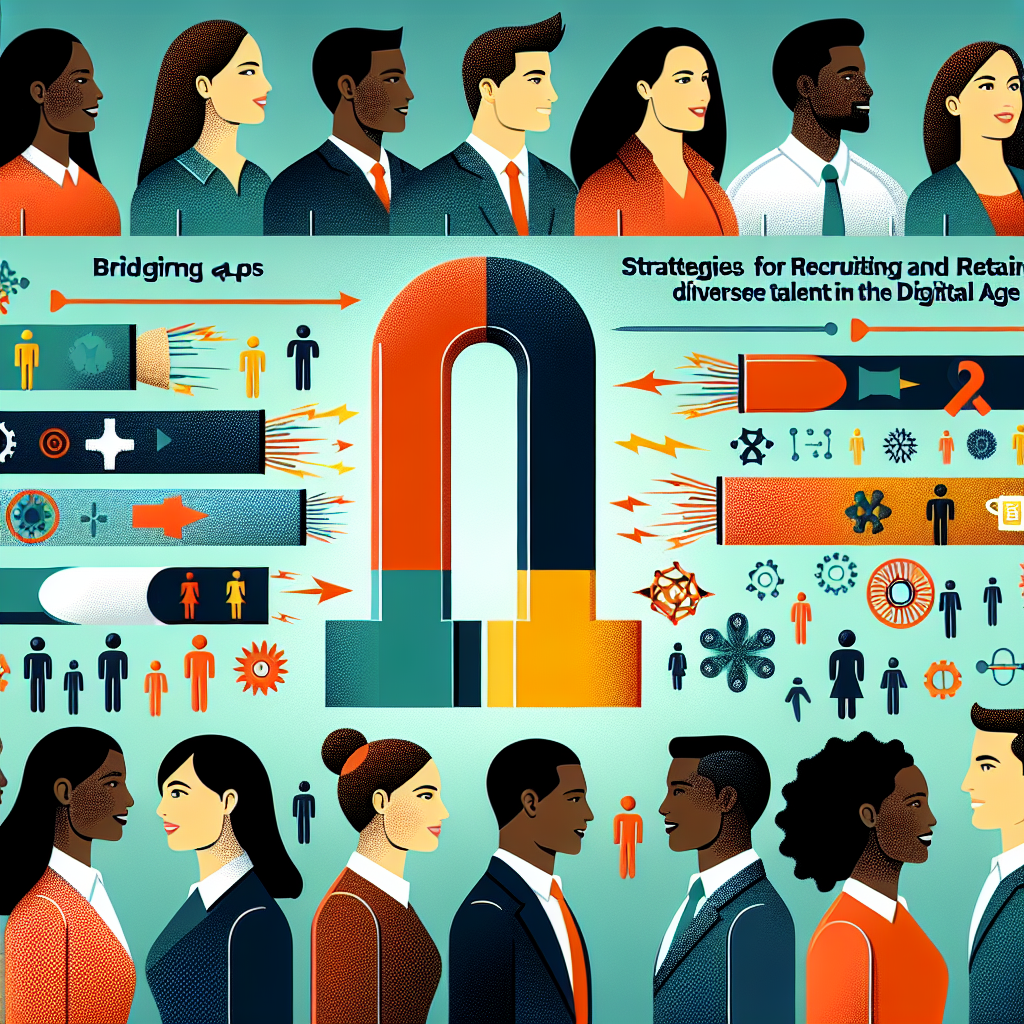
Strategies for Recruiting and Retaining Diverse Talent in the Digital Age
Creating Inclusive Job Descriptions
One of the key strategies for recruiting diverse talent is to create inclusive job descriptions. Avoid using biased language or gender-specific terms that may deter certain demographics from applying. Instead, focus on highlighting the company’s commitment to diversity and inclusion. For example, instead of using terms like “ninja” or “rockstar” which may have a masculine connotation, use neutral terms like “skilled” or “talented”.
Additionally, consider including a statement about the company’s commitment to diversity in job postings. This can help attract a wider range of candidates who value inclusivity in the workplace. Companies like Salesforce have seen success in this approach, with their emphasis on diversity and inclusion leading to a more diverse workforce.
Another important aspect of creating inclusive job descriptions is to focus on skills and qualifications rather than specific degrees or experiences. This can help eliminate bias against candidates from non-traditional backgrounds who may have valuable skills but lack formal education in a specific field.
Overall, by creating inclusive job descriptions, companies can attract a more diverse pool of candidates and ultimately improve their overall workforce diversity.
Implementing Blind Recruitment Processes
Blind recruitment processes involve removing identifying information such as name, gender, and age from job applications to reduce unconscious bias in the hiring process. By implementing blind recruitment practices, companies can ensure that candidates are evaluated based solely on their skills and qualifications.
One example of successful blind recruitment is the UK government’s implementation of name-blind recruitment for civil service roles. This initiative has led to an increase in the number of candidates from underrepresented groups being invited for interviews, ultimately resulting in a more diverse workforce.
Another way to implement blind recruitment is through structured interviews with predetermined questions that focus on relevant skills and experiences. This can help ensure that all candidates are evaluated consistently and fairly, regardless of their background.
Overall, blind recruitment processes can help companies attract and retain diverse talent by removing unconscious bias from the hiring process.
Providing Diversity and Inclusion Training
Another important strategy for recruiting and retaining diverse talent is to provide diversity and inclusion training for employees. This training can help raise awareness of unconscious bias and promote a more inclusive work environment.
Companies like Google have implemented diversity training programs to educate employees on the importance of diversity and inclusion in the workplace. These programs have helped foster a more inclusive culture and attract diverse talent to the company.
In addition to general diversity training, companies can also offer specific training on topics like microaggressions, cultural competency, and allyship. By providing employees with the tools and knowledge to support diversity and inclusion, companies can create a more welcoming environment for all employees.
Overall, diversity and inclusion training can play a crucial role in attracting and retaining diverse talent in the digital age.
Closing the Gap: Implementing Tech Training Programs for Employees

The Benefits of Tech Training Programs
Implementing tech training programs for employees can bring a multitude of benefits to both the employees and the organization as a whole. By providing employees with the necessary skills to navigate and utilize technology effectively, companies can improve productivity, efficiency, and overall job satisfaction. Additionally, tech training programs can help employees stay up-to-date with the latest advancements in technology, ensuring that they remain competitive in the ever-evolving digital landscape.
Furthermore, tech training programs can lead to increased employee retention rates, as employees are more likely to stay with a company that invests in their professional development. This can result in cost savings for the organization, as recruiting and training new employees can be a costly and time-consuming process. Overall, tech training programs can help bridge the gap between employees with varying levels of tech proficiency, creating a more cohesive and productive work environment.
One example of a company that has successfully implemented tech training programs for employees is Google. The tech giant offers a wide range of training opportunities for its employees, including courses on coding, data analysis, and project management. By investing in the professional development of its employees, Google has been able to attract and retain top talent, leading to continued success and innovation in the tech industry.
In conclusion, tech training programs can have a transformative impact on both employees and organizations, leading to increased productivity, job satisfaction, and retention rates. By closing the gap in tech proficiency through training programs, companies can position themselves for long-term success in the digital age.
Best Practices for Implementing Tech Training Programs
When implementing tech training programs for employees, it is important to follow best practices to ensure maximum effectiveness and engagement. One key best practice is to tailor the training programs to the specific needs and skill levels of the employees. This can involve conducting assessments to identify areas where employees may need additional support and designing training programs that address those specific needs.
Another best practice is to make the training programs interactive and engaging, incorporating hands-on activities, simulations, and real-world examples. This can help employees retain information more effectively and apply their new skills in a practical context. Additionally, it is important to provide ongoing support and resources for employees after the training programs have been completed, such as access to online tutorials, forums, and workshops.
One company that has excelled in implementing tech training programs is Microsoft. The tech giant offers a variety of training resources for its employees, including online courses, workshops, and certifications. Microsoft also encourages employees to participate in hackathons and innovation challenges, fostering a culture of continuous learning and experimentation.
In summary, by following best practices for implementing tech training programs, companies can ensure that employees receive the support and resources they need to develop their tech skills effectively. This can lead to improved job performance, job satisfaction, and overall success for both the employees and the organization.
Measuring the Impact of Tech Training Programs
Measuring the impact of tech training programs is essential for evaluating their effectiveness and identifying areas for improvement. One way to measure the impact of tech training programs is to track key performance indicators (KPIs) before and after the training has been completed. This can include metrics such as employee productivity, efficiency, and job satisfaction.
Another way to measure the impact of tech training programs is to gather feedback from employees through surveys, focus groups, and one-on-one interviews. This can provide valuable insights into the strengths and weaknesses of the training programs, as well as suggestions for future improvements. Additionally, companies can analyze data on employee retention rates, promotion rates, and skill development to determine the long-term impact of the training programs.
One company that has been successful in measuring the impact of its tech training programs is Amazon. The e-commerce giant uses a combination of quantitative and qualitative data to evaluate the effectiveness of its training programs, including employee performance metrics, engagement surveys, and feedback from managers. By regularly assessing the impact of its training programs, Amazon is able to make data-driven decisions to improve the quality and relevance of its training offerings.
In conclusion, measuring the impact of tech training programs is crucial for assessing their effectiveness and ensuring that they are meeting the needs of employees and the organization. By gathering feedback, analyzing data, and tracking key performance indicators, companies can make informed decisions to optimize their training programs for maximum impact.
Leveraging Technology to Enhance Employee Engagement and Communication

Benefits of Implementing Communication Apps
In today’s digital age, communication apps have become essential tools for enhancing employee engagement and fostering better communication within organizations. By implementing platforms such as Slack, Microsoft Teams, or Zoom, companies can streamline communication processes, facilitate collaboration among remote teams, and provide a space for quick and efficient information sharing. These apps also offer features like video conferencing, instant messaging, file sharing, and project management tools, all of which contribute to improved communication and productivity.
One notable example of a company leveraging communication apps to enhance employee engagement is HubSpot. The marketing software company uses Slack as its primary communication tool, enabling employees to easily connect with colleagues, share updates, and collaborate on projects in real-time. This has helped HubSpot create a more connected and engaged workforce, leading to increased productivity and employee satisfaction.
Moreover, communication apps offer a more informal and interactive way for employees to communicate, fostering a sense of community and camaraderie within the organization. Features like emojis, GIFs, and reactions make conversations more engaging and fun, helping to break down communication barriers and create a more inclusive work environment.
Overall, implementing communication apps can significantly improve employee engagement and communication within organizations, leading to better collaboration, increased productivity, and a more positive work culture.
Utilizing Employee Engagement Platforms
Employee engagement platforms like TINYpulse, Officevibe, and Culture Amp play a crucial role in enhancing communication and fostering a culture of transparency and feedback within organizations. These platforms enable companies to gather real-time feedback from employees, measure employee satisfaction, and identify areas for improvement. By leveraging data-driven insights, organizations can make informed decisions to boost employee engagement and address any potential issues.
For instance, Airbnb uses TINYpulse to collect feedback from employees on a regular basis, allowing the company to monitor employee morale, identify trends, and take proactive steps to improve employee engagement. This has helped Airbnb create a more transparent and feedback-driven culture, where employees feel empowered to share their thoughts and ideas openly.
Employee engagement platforms also provide tools for recognition and rewards, helping to motivate employees and boost morale. Features like peer-to-peer recognition, gamification, and performance analytics enable companies to celebrate achievements, promote a culture of appreciation, and foster a sense of belonging among employees.
By utilizing employee engagement platforms, organizations can create a more engaged and motivated workforce, leading to higher retention rates, improved performance, and a positive company culture.
Benefits of Virtual Team Building Activities
With the rise of remote work, virtual team building activities have become essential for fostering team cohesion, boosting morale, and enhancing communication among distributed teams. Companies like Google, Amazon, and Facebook have successfully implemented virtual team building activities to keep employees engaged and connected, despite physical distance.
Virtual team building activities can take various forms, such as virtual happy hours, online games, team challenges, and virtual coffee chats. These activities provide opportunities for team members to socialize, build relationships, and collaborate in a more informal setting, fostering a sense of camaraderie and teamwork.
For example, Google has been hosting virtual team building activities like online trivia nights, virtual escape rooms, and virtual cooking classes to bring employees together and create a sense of community. These activities not only help employees bond and have fun but also improve communication, collaboration, and overall team performance.
Moreover, virtual team building activities can boost employee morale, reduce feelings of isolation, and increase engagement, leading to a more connected and productive remote workforce. By incorporating these activities into their culture, organizations can create a sense of belonging and unity among employees, even in a virtual environment.
Overcoming Barriers to Remote Work and Virtual Collaboration

Access to Technology
In order to bridge the digital divide, providing access to technology is crucial. Many individuals, especially in underserved communities, may not have the necessary devices or internet connection to effectively work remotely. Initiatives such as providing laptops or tablets to students for virtual learning, or offering subsidized internet plans, can help overcome this barrier.
For example, in response to the COVID-19 pandemic, the government of India launched the “PM CARES for Children” initiative, which aimed to provide free tablets to children from low-income families to support their online education. This initiative helped thousands of students continue their education despite the challenges of remote learning.
Furthermore, companies can also play a role in ensuring access to technology for their employees. Providing work-from-home stipends or reimbursing employees for internet expenses can help alleviate the financial burden of working remotely.
Ultimately, by addressing the issue of access to technology, we can ensure that everyone has the tools they need to participate in remote work and virtual collaboration.
Digital Literacy
Another barrier to remote work and virtual collaboration is the lack of digital literacy among certain populations. Some individuals may struggle to navigate online platforms or utilize digital tools effectively, hindering their ability to work remotely.
One way to address this challenge is through digital skills training programs. These programs can teach essential digital skills such as using email, video conferencing tools, and online collaboration platforms. By providing training and resources, individuals can build confidence in their digital abilities and become more proficient in remote work.
For example, organizations like Digital Divide Data offer training programs to help individuals from disadvantaged backgrounds develop the skills needed for remote work in fields such as data entry, transcription, and research. These programs not only empower individuals with digital skills but also open up opportunities for remote employment.
By investing in digital literacy initiatives, we can empower individuals to thrive in a remote work environment and participate more effectively in virtual collaboration.
Communication and Collaboration Challenges
Effective communication and collaboration are essential for successful remote work. However, distance and technology barriers can make it challenging to maintain clear and efficient communication with team members.
To overcome these challenges, organizations can implement strategies such as regular check-ins, virtual team building activities, and clear communication protocols. By establishing a culture of open communication and collaboration, teams can stay connected and productive regardless of physical distance.
Tools such as project management software, instant messaging platforms, and video conferencing apps can also facilitate communication and collaboration in a remote work setting. These tools enable real-time interaction, file sharing, and project tracking, making it easier for teams to work together virtually.
Moreover, fostering a sense of trust and camaraderie among team members is crucial for effective virtual collaboration. Encouraging virtual coffee breaks, team celebrations, and informal chat channels can help build relationships and strengthen teamwork in a remote work environment.
Work-Life Balance
One of the challenges of remote work is maintaining a healthy work-life balance. Without clear boundaries between work and personal life, individuals may find themselves working longer hours, experiencing burnout, or feeling isolated.
To address this issue, organizations can promote flexible work schedules, encourage regular breaks, and establish guidelines for disconnecting after work hours. By emphasizing the importance of self-care and setting boundaries, employees can better manage their workload and avoid burnout.
Creating opportunities for social interaction and team bonding can also help employees feel connected and supported while working remotely. Virtual team building activities, online wellness sessions, and virtual happy hours can foster a sense of community and alleviate feelings of isolation.
Additionally, individuals can prioritize self-care practices such as regular exercise, mindfulness, and setting aside time for hobbies and relaxation. By taking care of their physical and mental well-being, employees can enhance their productivity and overall satisfaction with remote work.
Addressing Equity and Inclusion in Digital HR Initiatives

Importance of Equity and Inclusion in Digital HR
Ensuring equity and inclusion in digital HR initiatives is crucial for creating a diverse and inclusive workplace. By promoting fairness and providing equal opportunities for all employees, organizations can foster a culture of trust, respect, and collaboration. This, in turn, leads to higher employee engagement, productivity, and retention rates.
For example, implementing blind recruitment processes can help eliminate bias and ensure that candidates are evaluated based on their skills and qualifications rather than their gender, race, or background. This can result in a more diverse workforce that brings different perspectives and experiences to the table, driving innovation and creativity.
Moreover, addressing equity and inclusion in digital HR initiatives can also help organizations meet legal requirements and avoid potential discrimination lawsuits. By proactively promoting fairness and equality, companies can demonstrate their commitment to diversity and inclusion, enhancing their reputation as socially responsible employers.
In conclusion, prioritizing equity and inclusion in digital HR initiatives is not only the right thing to do ethically but also makes good business sense. By creating a level playing field for all employees, organizations can unlock the full potential of their workforce and drive sustainable growth and success.
Challenges and Solutions
Despite the benefits of promoting equity and inclusion in digital HR, organizations may face challenges in implementing these initiatives effectively. One common obstacle is unconscious bias, which can influence decision-making processes and perpetuate inequalities in the workplace. To address this issue, companies can provide training and awareness programs to help employees recognize and mitigate their biases.
Another challenge is the lack of diversity in the tech industry, which can limit the availability of inclusive digital HR solutions. To overcome this barrier, organizations can partner with diverse tech companies or consult with diversity and inclusion experts to ensure that their digital HR tools are designed to meet the needs of all employees.
Furthermore, some employees may resist change and be reluctant to embrace new digital HR initiatives, especially if they perceive them as threatening their privacy or autonomy. To address this issue, organizations can involve employees in the decision-making process, provide clear communication about the benefits of the initiatives, and offer training and support to help them adapt to the changes.
In summary, while there are challenges in addressing equity and inclusion in digital HR initiatives, organizations can overcome these obstacles by implementing proactive measures, fostering a culture of diversity and inclusion, and leveraging technology to create inclusive and equitable workplaces.
Best Practices and Strategies
There are several best practices and strategies that organizations can adopt to promote equity and inclusion in their digital HR initiatives. One effective approach is to establish diversity and inclusion goals and metrics to track progress and hold leaders accountable for achieving them. By setting clear objectives and measuring outcomes, companies can ensure that their efforts are making a meaningful impact.
Another best practice is to involve employees from diverse backgrounds in the design and implementation of digital HR initiatives. By soliciting feedback and input from a variety of perspectives, organizations can create solutions that are inclusive and address the unique needs of all employees.
Additionally, companies can leverage technology such as artificial intelligence and machine learning to reduce bias and promote fairness in their HR processes. For example, AI-powered tools can help identify and eliminate biased language in job descriptions, assess candidates based on their skills and qualifications, and provide personalized learning and development opportunities for employees.
In conclusion, by adopting best practices and strategies that prioritize equity and inclusion, organizations can create a more diverse, inclusive, and equitable workplace that empowers all employees to reach their full potential and contribute to the organization’s success.
The Role of AI and Automation in Shaping the Future of HR Operations

Enhancing Recruitment Processes
AI and automation have revolutionized the way companies approach recruitment. With the use of algorithms and machine learning, HR departments can now sift through thousands of resumes in a matter of seconds, identifying top candidates based on specific criteria. This not only saves time but also ensures a more efficient and unbiased recruitment process.
One example of this is the recruitment platform HireVue, which uses AI to analyze candidates’ facial expressions, tone of voice, and word choice during video interviews. By assessing these non-verbal cues, the platform can predict a candidate’s job performance and cultural fit with remarkable accuracy.
Furthermore, automation tools such as chatbots can engage with potential candidates, answer their questions, and schedule interviews, freeing up HR professionals to focus on more strategic tasks. This seamless integration of AI and automation in recruitment processes is reshaping the future of HR operations.
Overall, the use of AI and automation in recruitment not only streamlines the process but also improves the quality of hires, leading to better organizational performance and employee satisfaction.
Optimizing Employee Onboarding
Employee onboarding is a critical process that sets the tone for an employee’s experience within an organization. AI and automation can play a significant role in optimizing this process, ensuring that new hires are seamlessly integrated into the company culture and workflow.
For example, HR chatbots can provide new employees with important information about company policies, benefits, and procedures, guiding them through the onboarding process step by step. This not only reduces the burden on HR professionals but also ensures that new hires have all the information they need to hit the ground running.
Additionally, AI-powered systems can personalize the onboarding experience based on the individual needs and preferences of each employee. By analyzing data on new hires, these systems can recommend relevant training programs, mentorship opportunities, and networking events, fostering a sense of belonging and engagement from day one.
By leveraging AI and automation in employee onboarding, organizations can enhance retention rates, accelerate time-to-productivity, and create a positive first impression that sets the stage for long-term success.
Improving Performance Management
Traditional performance management processes are often criticized for being time-consuming, subjective, and ineffective. AI and automation offer a solution to these challenges by providing data-driven insights, real-time feedback, and personalized development plans for employees.
For instance, AI-powered performance management tools can track employees’ progress, analyze their key performance indicators, and provide actionable recommendations for improvement. By identifying patterns and trends in employees’ performance, these tools can help managers make more informed decisions about promotions, training opportunities, and performance incentives.
Moreover, automation can streamline the process of setting goals, conducting performance reviews, and tracking progress, saving valuable time for both employees and managers. By automating repetitive tasks and administrative processes, HR professionals can focus on coaching, mentoring, and supporting employees in achieving their full potential.
Overall, the integration of AI and automation in performance management not only enhances the accuracy and objectivity of evaluations but also empowers employees to take ownership of their development and career growth.
Conclusion

In conclusion, bridging the digital divide is crucial in creating a more equitable society where everyone has access to the resources and opportunities that technology can provide. By understanding the root causes of the digital divide and taking proactive steps to address them, we can work towards a more inclusive and connected world.
- Educational initiatives are key in closing the gap, ensuring that all individuals have the digital literacy skills needed to thrive in today’s tech-driven world.
- Improving access to affordable internet and technology devices is essential in ensuring that no one is left behind in the digital age.
- Collaboration between governments, businesses, and non-profit organizations is critical in creating sustainable solutions that address the digital divide on a systemic level.
Ultimately, bridging the digital divide is not just a matter of technological advancement, but of social justice. By working together to overcome barriers to access and participation, we can create a more inclusive and connected society for all.
Frequently Asked Questions
What is the digital divide?
The digital divide refers to the gap between those who have access to digital technologies and those who do not. This gap can be influenced by factors such as income, education, geography, and age.
How does the digital divide impact society?
The digital divide can exacerbate existing inequalities in education, employment, healthcare, and social connections. Those who are on the wrong side of the digital divide may miss out on opportunities for advancement and face barriers to fully participating in society.
What are some strategies for bridging the digital divide?
Some strategies for bridging the digital divide include increasing access to affordable internet and devices, providing digital literacy training, and creating policies that promote digital inclusion for all members of society.
How can individuals help bridge the digital divide?
Individuals can help bridge the digital divide by volunteering at community organizations that provide digital literacy training, donating old devices to those in need, and advocating for policies that promote digital inclusion.
What are some success stories of communities bridging the digital divide?
There are many examples of communities coming together to bridge the digital divide, such as setting up public Wi-Fi hotspots, offering free computer classes, and partnering with businesses to provide discounted internet access. These efforts have helped to empower individuals and improve access to opportunities for all members of society.
Leave a Reply