


This article on Augmented Reality Technology Transformation also touches on related topics like Augmented reality, immersive, innovation-in-the-gaming-industry.html”>gaming, innovation.
Augmented reality technology has taken the world by storm, offering a unique and immersive way to experience the world around us. From enhancing gaming experiences to revolutionizing the way we shop, work, and learn, AR has the power to transform our reality in ways we never thought possible. Augmented reality is a foundational topic here. Gaming is equally relevant.
Imagine being able to overlay digital information onto the physical world, seamlessly blending the virtual and real worlds together. This technology has the potential to change the way we interact with our environment, opening up endless possibilities for innovation and creativity.
In this article, we will explore the incredible power and potential of augmented reality technology, from its humble beginnings to its current state as a revolutionary force in the tech industry. We will delve into the various applications of AR, from entertainment and education to healthcare and manufacturing, showcasing how this technology is reshaping the way we live, work, and play.
Join us on a journey through the exciting world of augmented reality, where the boundaries between fiction and reality blur, and the possibilities are truly endless. Strap in and get ready to experience the future of technology like never before.
Augmented Reality in HR: Transforming Training and Onboarding Processes – immersive

The Impact of AR on Employee Training
Augmented Reality (AR) technology is revolutionizing the way companies approach employee training. By incorporating AR into training programs, organizations can create immersive and interactive experiences that engage employees in a whole new way. For example, companies like Walmart have implemented AR training modules to simulate real-world scenarios for employees, such as customer interactions or emergency situations.
AR enables employees to learn by doing, rather than just reading or listening to lectures. This hands-on approach to training not only improves retention rates but also allows employees to practice skills in a safe environment. With AR, employees can receive immediate feedback on their performance, helping them to identify areas for improvement and track their progress over time.
Furthermore, AR technology can be used to personalize training experiences for individual employees based on their learning styles and preferences. By tailoring training programs to meet the specific needs of each employee, organizations can ensure that their workforce is equipped with the knowledge and skills necessary to succeed.
In addition to improving the effectiveness of training programs, AR can also save organizations time and money by reducing the need for in-person training sessions. Employees can access AR training modules remotely, allowing them to learn at their own pace and on their own schedule.
Enhancing Onboarding Processes with AR
Onboarding new employees can be a time-consuming process for HR departments, but AR technology is streamlining the onboarding process and making it more engaging for new hires. By using AR, organizations can provide new employees with virtual tours of the office, introductions to key team members, and interactive guides to company policies and procedures.
AR can also be used to gamify the onboarding experience, turning what could be a boring orientation session into a fun and interactive learning opportunity. For example, companies like Accenture have created AR scavenger hunts for new hires, where employees use AR technology to explore the office and learn about different departments and company culture.
By integrating AR into the onboarding process, organizations can help new employees feel more connected to the company from day one. AR technology can create a sense of excitement and belonging, making new hires more likely to engage with their work and stay with the company long-term.
Additionally, AR can provide new employees with the resources they need to succeed in their roles, such as virtual job shadowing experiences and on-the-job training simulations. This hands-on approach to onboarding can help employees feel more confident in their abilities and better prepared to contribute to the team.
The Future of Recruitment: Leveraging Augmented Reality for Candidate Engagement
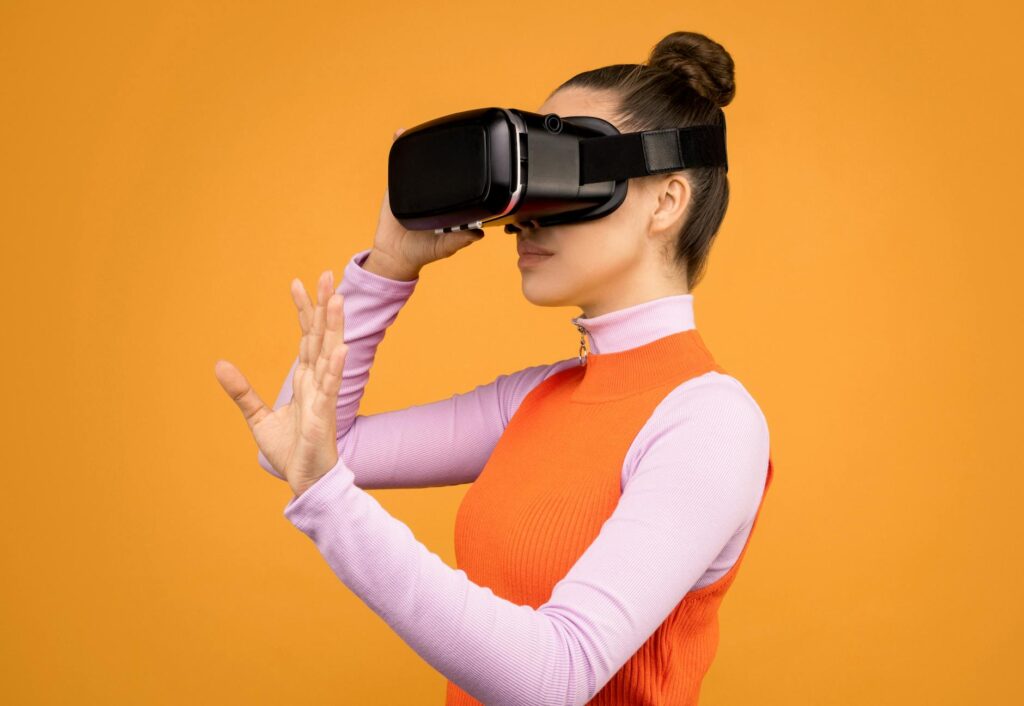
The Rise of Augmented Reality in Recruitment
Augmented reality (AR) technology has been making waves in the recruitment industry, offering innovative ways to engage candidates and enhance the hiring process. Companies are increasingly using AR tools to create immersive experiences for job seekers, allowing them to interact with virtual job environments and showcase their skills in a more dynamic and engaging way.
For example, global beauty brand L’Oreal has developed an AR app called “L’Oreal Paris Virtual Makeup” that allows users to try on different makeup products virtually before making a purchase. This same technology can be applied to recruitment, where candidates can virtually “try on” different job roles within a company to see if it’s the right fit for them.
By leveraging AR in recruitment, companies can not only attract top talent but also provide a more interactive and personalized experience for candidates, ultimately leading to better hiring decisions and improved candidate engagement.
With the rise of remote work and virtual hiring processes, AR technology has become even more essential in creating a seamless and engaging recruitment experience for both candidates and employers.
The Benefits of Using AR for Candidate Engagement
There are numerous benefits to using AR technology for candidate engagement in recruitment processes. One of the key advantages is the ability to create a more interactive and immersive experience for candidates, allowing them to showcase their skills and experience in a unique way.
With AR, candidates can participate in virtual job simulations, interactive assessments, and even virtual interviews, giving them a taste of what it’s like to work for a company before they even step foot in the office. This not only helps candidates make more informed decisions about their job prospects but also allows employers to assess candidates more effectively based on their performance in virtual environments.
Furthermore, AR technology can help companies stand out in a competitive job market by offering a more innovative and engaging recruitment process. By incorporating AR tools into their hiring strategies, companies can demonstrate their commitment to embracing new technologies and providing a cutting-edge candidate experience.
In addition, AR can also help companies save time and resources by streamlining the recruitment process and making it more efficient. By automating certain tasks and providing a more engaging candidate experience, companies can attract top talent faster and make better hiring decisions.
Challenges and Considerations in Implementing AR for Recruitment
While the potential benefits of using AR in recruitment are clear, there are also challenges and considerations that companies must address when implementing this technology. One of the main challenges is the cost of developing and implementing AR tools, which can be significant for companies with limited resources.
Another consideration is the need for training and upskilling employees to effectively use AR technology in the recruitment process. Companies must invest in training programs to ensure that their staff are equipped to leverage AR tools and provide a seamless candidate experience.
Data privacy and security are also important considerations when using AR in recruitment, as companies must ensure that candidate data is protected and used ethically in accordance with regulations such as GDPR. Transparency and trust are key factors in building successful AR recruitment strategies.
Finally, companies must also consider the potential biases and limitations of AR technology in recruitment, as algorithms and virtual environments may inadvertently perpetuate discrimination or exclude certain groups of candidates. It’s crucial for companies to design inclusive and fair AR experiences that promote diversity and equal opportunities for all candidates.
Enhancing Employee Productivity with AR: A Guide for HR Professionals

Benefits of Implementing AR in the Workplace
Augmented Reality (AR) technology has the potential to revolutionize the way employees work and interact within the workplace. By incorporating AR into daily operations, HR professionals can enhance employee productivity in numerous ways. One of the key benefits of implementing AR is the ability to provide hands-on training experiences in a virtual environment. This can help employees learn new skills more effectively and efficiently, leading to improved job performance.
Additionally, AR can streamline workflows by providing real-time information and guidance to employees as they navigate their tasks. For example, AR headsets can display step-by-step instructions or overlay relevant data onto physical objects, allowing employees to work more efficiently and accurately. This can result in increased productivity and reduced errors in the workplace.
Moreover, AR can enhance collaboration among employees by enabling them to communicate and share information in new ways. Virtual meetings and collaborative AR applications can bring remote teams together in a shared digital space, fostering creativity and innovation. By leveraging AR technology, HR professionals can create a more connected and engaged workforce, leading to improved productivity and job satisfaction.
Overall, the benefits of implementing AR in the workplace are vast and can have a significant impact on employee productivity. By embracing this innovative technology, HR professionals can enhance training programs, streamline workflows, and foster collaboration among employees, ultimately leading to a more efficient and productive workforce.
Challenges and Considerations for HR Professionals
While the potential benefits of implementing AR in the workplace are substantial, HR professionals must also consider the challenges and implications of integrating this technology into their organizations. One of the primary challenges is the cost of implementing AR systems, which can be significant depending on the scale and complexity of the deployment. HR professionals must carefully evaluate the return on investment and assess whether the benefits of AR outweigh the costs.
Another consideration for HR professionals is the need for proper training and support for employees who will be using AR technology. Ensuring that employees are adequately trained and comfortable with AR devices is essential for successful implementation. HR professionals may need to develop new training programs and provide ongoing support to help employees adapt to this new technology.
Additionally, HR professionals must address potential privacy and security concerns related to AR technology. AR devices may collect sensitive data about employees or their work activities, raising concerns about data protection and privacy. HR professionals must implement appropriate security measures and policies to safeguard employee information and ensure compliance with data protection regulations.
Despite these challenges and considerations, HR professionals can overcome these obstacles by carefully planning and implementing AR technology in a strategic and thoughtful manner. By addressing cost, training, and security concerns proactively, HR professionals can successfully enhance employee productivity and create a more efficient and innovative workplace with AR technology.
Case Studies: Successful Implementation of AR in HR Practices
Several companies have successfully implemented AR technology in their HR practices, showcasing the potential benefits of this innovative technology. One example is Walmart, which uses AR headsets to train employees in various tasks, such as restocking shelves and fulfilling online orders. By providing hands-on training experiences in a virtual environment, Walmart has improved employee productivity and job performance.
Another example is Boeing, which utilizes AR technology to streamline aircraft assembly processes and improve efficiency. By overlaying digital instructions and information onto physical objects, Boeing employees can work more efficiently and accurately, leading to cost savings and increased productivity. The successful implementation of AR in Boeing’s HR practices has transformed the way employees work and collaborate within the organization.
Furthermore, Accenture has leveraged AR technology to enhance employee training and development programs. By creating immersive training experiences with AR applications, Accenture has improved employee engagement and retention, leading to a more skilled and productive workforce. The use of AR in HR practices at Accenture exemplifies the potential of this technology to revolutionize employee training and development.
Overall, these case studies demonstrate the successful implementation of AR technology in HR practices and highlight the tangible benefits that organizations can achieve by embracing this innovative technology. By following in the footsteps of companies like Walmart, Boeing, and Accenture, HR professionals can enhance employee productivity and create a more efficient and innovative workplace with AR technology.
AR in Performance Management: Leveraging Technology for Real-time Feedback

The Rise of AR in Performance Management
Augmented Reality (AR) has been gaining traction in various industries, including performance management. Companies are increasingly leveraging AR technology to provide real-time feedback to employees, enabling them to improve their performance on the spot. By overlaying digital information onto the physical world, AR can enhance the way performance reviews are conducted and make the process more interactive and engaging.
For example, retail giant Walmart has implemented AR technology in its performance management system to provide employees with instant feedback on their work. Through AR headsets, employees can receive guidance on tasks, such as restocking shelves or assisting customers, in real-time. This immediate feedback helps employees make adjustments to their performance and improve their productivity.
AR in performance management also allows for more personalized feedback tailored to individual employees. By analyzing data from AR interactions, managers can identify specific areas where employees excel or need improvement and provide targeted feedback accordingly. This level of customization can lead to more effective performance evaluations and ultimately drive better results.
Overall, the rise of AR in performance management signifies a shift towards more dynamic and interactive feedback processes. As technology continues to evolve, companies are likely to further integrate AR into their performance management systems to enhance employee performance and engagement.
Challenges and Opportunities of Implementing AR in Performance Management
While the benefits of using AR in performance management are clear, there are also challenges associated with implementing this technology in the workplace. One major challenge is the cost of AR hardware and software, which can be prohibitive for some companies. Additionally, there may be resistance from employees who are unfamiliar with AR technology and may be hesitant to adopt it in their daily work.
However, despite these challenges, there are significant opportunities for companies that successfully implement AR in performance management. For example, AR can streamline the performance evaluation process by providing real-time data and insights, eliminating the need for manual data entry and analysis. This can save time and resources for both employees and managers.
Furthermore, AR can enhance employee engagement and motivation by making performance feedback more interactive and engaging. By gamifying the feedback process or incorporating virtual rewards, companies can incentivize employees to improve their performance and achieve their goals. This can lead to a more positive and productive work environment.
Overall, the challenges of implementing AR in performance management are outweighed by the opportunities for companies to improve performance, engagement, and productivity. By addressing these challenges proactively and leveraging the benefits of AR technology, companies can revolutionize their performance management processes.
Future Trends and Implications of AR in Performance Management
As AR technology continues to advance, the future implications for performance management are vast. One trend that is likely to emerge is the integration of artificial intelligence (AI) with AR to provide even more personalized and predictive feedback to employees. By analyzing vast amounts of data in real-time, AI-powered AR systems can offer insights into employee performance trends and suggest strategies for improvement.
Another future trend in AR performance management is the use of biometric feedback to measure employee responses to AR interactions. By tracking physiological indicators such as heart rate or stress levels, AR systems can provide a more nuanced understanding of how employees are reacting to feedback and adjust accordingly. This level of insight can lead to more effective coaching and development strategies.
Furthermore, the proliferation of wearable AR devices, such as smart glasses or contact lenses, is likely to revolutionize the way performance feedback is delivered in the workplace. Employees can receive feedback seamlessly throughout their workday without the need for bulky headsets, enhancing their productivity and performance in real-time.
In conclusion, the future of AR in performance management holds great promise for transforming the way companies evaluate and develop their employees. By staying ahead of these trends and embracing the potential of AR technology, organizations can unlock new opportunities for growth and success in the digital age.
Augmented Reality and Employee Engagement: Strategies for Success

The Benefits of Using Augmented Reality for Employee Engagement
Augmented reality (AR) technology offers numerous benefits for enhancing employee engagement in the workplace. By incorporating AR into training programs, employees can have a more interactive and immersive learning experience. This can lead to increased retention of information and improved skill development. For example, companies like Walmart have successfully implemented AR technology into their employee training programs, resulting in higher engagement levels and improved performance.
Furthermore, AR can be used to create virtual team-building activities, even for remote teams. This can help foster a sense of community and collaboration among employees, leading to a more connected and engaged workforce. With AR, team members can participate in virtual escape rooms, treasure hunts, or other interactive experiences that promote teamwork and communication.
Another benefit of using AR for employee engagement is the ability to personalize training and development programs. By tailoring AR experiences to individual learning styles and preferences, employees can have a more customized and effective learning experience. This can lead to higher levels of engagement and motivation, as employees feel more invested in their own development.
In addition, AR can be used to gamify the learning process, making it more fun and engaging for employees. By incorporating elements of competition, rewards, and challenges into AR training programs, employees are more likely to stay motivated and focused on their learning goals. This can lead to higher levels of engagement and a more positive attitude towards training and development.
Best Practices for Implementing AR for Employee Engagement
When implementing AR technology for employee engagement, it is important to follow best practices to ensure success. One key practice is to clearly define the objectives and goals of the AR program. By outlining specific outcomes and metrics for success, companies can track the impact of AR on employee engagement and adjust their strategies accordingly.
Another best practice is to involve employees in the design and development of AR experiences. By soliciting feedback and input from employees, companies can create more engaging and relevant AR content that resonates with their workforce. This can lead to higher levels of buy-in and participation from employees, ultimately resulting in a more successful AR program.
It is also important to provide adequate training and support for employees who will be using AR technology. This can include technical training on how to use AR devices and software, as well as ongoing support for troubleshooting and problem-solving. By empowering employees with the knowledge and skills they need to use AR effectively, companies can ensure a smooth and successful implementation of the technology.
Lastly, companies should regularly evaluate the effectiveness of their AR programs for employee engagement. This can be done through surveys, focus groups, or other feedback mechanisms to gather input from employees on their experiences with AR. By continuously monitoring and improving their AR strategies, companies can ensure that they are maximizing the impact of the technology on employee engagement.
Case Study: How Google Used AR to Boost Employee Engagement
Google is known for its innovative approach to employee engagement, and they have successfully incorporated AR technology into their workplace culture. One example of this is Google’s use of AR glasses in their manufacturing facilities to provide workers with real-time information and instructions. This has increased efficiency and productivity among employees, leading to higher levels of engagement and job satisfaction.
Google has also used AR to create virtual team-building experiences for remote employees. By using AR technology, team members can participate in interactive games and challenges that promote collaboration and communication. This has helped foster a sense of community among remote teams and has increased engagement levels among employees who may not have the opportunity to work together in person.
Furthermore, Google has used AR to enhance their employee training programs, making them more interactive and engaging. By incorporating AR into their onboarding process, new employees can have a more immersive and hands-on learning experience. This has led to higher retention rates and improved performance among new hires, ultimately resulting in a more engaged and productive workforce.
Overall, Google’s use of AR technology has had a significant impact on employee engagement and has helped to create a more dynamic and innovative workplace culture. By leveraging the power of AR, Google has been able to enhance employee experiences, foster collaboration, and drive performance across their organization.
The Impact of AR on Workplace Diversity and Inclusion Initiatives

Enhancing Cultural Competence
Augmented Reality (AR) technology has the potential to enhance cultural competence in the workplace by providing immersive experiences that allow employees to gain a deeper understanding of different cultures. For example, companies can use AR to simulate cultural scenarios, such as business meetings or negotiations in different countries, helping employees develop empathy and sensitivity towards cultural differences. This can lead to a more inclusive work environment where employees feel valued and respected for their unique backgrounds.
Moreover, AR can be used to provide language translation services in real-time, breaking down communication barriers between employees of different linguistic backgrounds. By enabling seamless communication, AR fosters collaboration and teamwork among diverse teams, ultimately driving innovation and productivity.
By incorporating AR into diversity and inclusion training programs, organizations can create interactive and engaging learning experiences that challenge biases and stereotypes. For instance, AR simulations can help employees recognize unconscious bias and provide strategies for overcoming them, promoting a more inclusive and equitable workplace for all.
Overall, AR has the power to transform workplace culture by promoting cultural understanding, communication, and empathy, ultimately leading to a more diverse and inclusive environment where all employees can thrive and contribute to their fullest potential.
Fostering Accessibility and Inclusivity
AR technology has the potential to make workplaces more accessible and inclusive for employees with disabilities. For example, AR applications can provide real-time visual cues and guidance for individuals with visual impairments, helping them navigate the physical workspace more effectively. This not only enhances the employee experience but also promotes a more inclusive work environment where individuals with disabilities can fully participate and contribute.
Furthermore, AR can be used to create virtual workspaces that accommodate different accessibility needs, such as adjustable font sizes or audio cues for individuals with hearing impairments. By leveraging AR technology, organizations can ensure that all employees have equal access to information, resources, and opportunities, regardless of their abilities.
Additionally, AR can support neurodiversity in the workplace by providing personalized learning experiences for employees with cognitive differences, such as autism or ADHD. By tailoring training programs to individual needs and preferences, AR can help neurodiverse employees thrive and excel in their roles, contributing their unique perspectives and talents to the organization.
In conclusion, AR has the potential to revolutionize workplace accessibility and inclusivity by providing tailored solutions for employees with diverse abilities, ultimately creating a more equitable and supportive environment for all.
Promoting Gender Equality and Inclusion
Augmented Reality technology can play a crucial role in promoting gender equality and inclusion in the workplace by challenging gender biases and stereotypes. For example, companies can use AR simulations to create gender-neutral virtual environments that encourage equal participation and collaboration among all employees, regardless of gender identity.
Moreover, AR can be used to provide unconscious bias training that addresses gender-based stereotypes and promotes inclusive behaviors. By raising awareness of gender biases and providing strategies for overcoming them, AR can help create a more inclusive work environment where all employees feel valued and respected, irrespective of their gender.
AR can also support women in male-dominated industries by providing virtual mentorship programs and networking opportunities that connect female employees with successful women leaders in their field. By leveraging AR technology, organizations can empower women to excel in their careers, break through glass ceilings, and shatter gender barriers in the workplace.
Overall, AR has the potential to drive gender equality and inclusion by creating a more diverse and equitable work environment where all employees have equal opportunities to succeed and thrive, regardless of their gender identity.
Utilizing AR for Remote Work: Bridging the Gap in Virtual Collaboration

Enhancing Communication and Collaboration
Augmented Reality (AR) technology has the potential to revolutionize remote work by bridging the gap in virtual collaboration. One of the key benefits of AR is its ability to enhance communication among remote teams. With AR tools, team members can interact in a more natural and immersive way, making virtual meetings feel more like face-to-face interactions.
For example, companies like Spatial are using AR to create virtual workspaces where team members can collaborate in real-time, regardless of their physical location. This not only improves communication but also fosters a sense of teamwork and camaraderie among remote workers.
AR can also be used to provide real-time feedback during remote meetings, such as highlighting important points or providing visual cues. This can help ensure that all team members are on the same page and prevent miscommunication that commonly occurs in virtual settings.
In addition, AR can facilitate more engaging and interactive presentations, making remote meetings more dynamic and impactful. By incorporating 3D models, animations, and other interactive elements, presenters can capture the attention of their audience and convey complex information more effectively.
Improving Training and Onboarding Processes
Another area where AR can bridge the gap in virtual collaboration is in training and onboarding processes. With AR, companies can provide more immersive and interactive training experiences for remote employees, allowing them to learn new skills in a more engaging way.
For instance, companies like Scope AR are using AR to create interactive training modules that simulate real-world scenarios. This hands-on approach not only helps employees learn faster but also improves retention rates as compared to traditional training methods.
AR can also be used to provide remote employees with on-the-job support, such as overlaying instructions or guidance directly onto their work environment. This can help reduce errors and improve productivity, especially for tasks that require complex or specialized knowledge.
Furthermore, AR can be used to create virtual simulations for onboarding new employees, allowing them to familiarize themselves with their new roles and responsibilities in a realistic and interactive way. This can help remote workers feel more connected to their team and company from the start.
Enhancing Remote Collaboration in Design and Development
AR technology is also being used to enhance remote collaboration in design and development processes. For example, architects and engineers can use AR tools to visualize and manipulate 3D models of their projects in real-time, allowing them to collaborate more effectively with remote team members.
By overlaying digital information onto physical spaces, AR can help remote teams communicate complex design concepts more clearly and make decisions more efficiently. This can lead to faster project iterations and ultimately, better outcomes for clients.
Moreover, AR can facilitate remote product design reviews by allowing team members to view and interact with virtual prototypes in a shared workspace. This can help streamline the feedback process and ensure that all stakeholders are aligned on the design direction.
Overall, AR technology has the potential to transform the way remote teams collaborate in design and development, making the process more efficient, engaging, and productive.
Conclusion
In conclusion, augmented reality technology has the power to revolutionize the way we interact with the world around us. By blending digital information with the physical environment, AR has the potential to enhance our everyday experiences and bring new possibilities to various industries.
- innovation
- AR technology can transform the way we shop, allowing for virtual try-ons and interactive product displays.
- Education can be greatly enhanced through AR, providing immersive learning experiences for students of all ages.
- Healthcare professionals can utilize AR for surgical training, patient education, and enhancing medical procedures.
Overall, the potential of augmented reality technology is limitless. As the technology continues to advance and become more accessible, we can expect to see even more innovative applications that will shape the future of how we perceive and interact with reality.
Frequently Asked Questions

What is augmented reality technology?
Augmented reality technology is a technology that overlays digital information on the physical world, enhancing the user’s perception and interaction with their surroundings.
How is augmented reality different from virtual reality?
Augmented reality overlays digital information onto the physical world, while virtual reality creates a completely immersive digital environment that replaces the physical world.
What are some practical applications of augmented reality technology?
Some practical applications of augmented reality technology include gaming, education, healthcare, retail, and marketing.
How is augmented reality technology revolutionizing the way we experience reality?
Augmented reality technology is revolutionizing the way we experience reality by enhancing our perception of the world around us and creating new opportunities for interactive experiences.
What are the challenges and limitations of augmented reality technology?
Some challenges and limitations of augmented reality technology include hardware constraints, privacy concerns, and the need for further development of user-friendly interfaces.
Images sourced via Pexels.
Leave a Reply