


In today’s digital age, where Cyber Threats loom large and data breaches are becoming increasingly common, the need for robust security measures has never been more pressing. Traditional methods of authentication, such as passwords and PINs, are no longer sufficient to protect sensitive information. Enter biometric authentication, a cutting-edge technology that promises to revolutionize the way we secure our digital assets. Future is a foundational topic here. Authentication Methods is equally relevant.
Biometric authentication uses unique physical characteristics, such as fingerprints, facial features, or iris patterns, to verify a person’s identity. Unlike passwords, which can be easily forgotten, stolen, or hacked, biometric data is inherently personal and cannot be easily replicated. This makes biometric authentication one of the most secure and reliable methods of verifying a person’s identity.
As the world becomes increasingly interconnected and reliant on digital technologies, the demand for stronger security measures is only going to increase. Biometric authentication offers a way to meet this demand, providing a level of security that is unmatched by traditional methods. From unlocking smartphones to accessing sensitive data, the applications of biometric authentication are vast and varied.
This article will delve into the future of security and explore the potential of biometric authentication to transform the way we protect our digital identities. Join us on this journey as we explore the power of biometrics and its impact on the future of security.
The Evolution of Biometric Authentication in HR Security – Robust Security Measures

Early Adoption of Biometric Authentication in HR
Biometric authentication has come a long way in the realm of HR security. Initially, companies began implementing fingerprint scanners as a way to streamline employee clock-ins and prevent buddy punching. This technology quickly gained popularity due to its ease of use and accuracy in verifying employee identities.
As the technology continued to evolve, more advanced biometric methods such as iris recognition and facial recognition started to emerge in HR security. These methods offered even higher levels of security and convenience for employees, further reducing the risk of identity theft or unauthorized access to sensitive information.
One of the early adopters of biometric authentication in HR security was IBM, who introduced fingerprint scanning in their offices back in the early 2000s. This move was seen as a revolutionary step in employee security, setting a precedent for other companies to follow suit.
Overall, the early adoption of biometric authentication in HR security laid the foundation for the future of employee identity verification, paving the way for more advanced and secure methods to be implemented in the workplace.
Integration of Biometric Authentication with HR Systems
As biometric authentication technology continued to advance, companies started integrating these systems with their HR management software for more streamlined and efficient processes. By linking biometric data with employee profiles, companies were able to automate attendance tracking, access control, and even secure sensitive HR information.
For example, companies like Google and Amazon have integrated facial recognition technology into their HR systems to enhance security measures for their employees. This not only improves the overall security of the workplace but also simplifies the authentication process for employees, making it more convenient and user-friendly.
Furthermore, the integration of biometric authentication with HR systems has enabled companies to track employee productivity more accurately, ensuring that they are adhering to company policies and protocols. This level of monitoring has proven to be beneficial for both employers and employees, creating a more efficient and secure work environment.
Overall, the integration of biometric authentication with HR systems has revolutionized the way companies manage employee identities and access controls, providing a more secure and efficient workplace for all stakeholders involved.
Future Trends in Biometric Authentication for HR Security
Looking ahead, the future of biometric authentication in HR security holds even more exciting possibilities. One emerging trend is the use of behavioral biometrics, which analyzes patterns in employee behavior to verify their identity. This method offers a more dynamic and continuous form of authentication, further enhancing security measures in the workplace.
Another trend on the horizon is the use of biometric wearables, such as smartwatches or fitness trackers, to authenticate employee identities. These devices can track unique biometric data like heart rate variability or gait patterns, providing an additional layer of security for HR systems.
Furthermore, advancements in biometric technology are leading to the development of multimodal biometric systems that combine multiple biometric identifiers for enhanced security. By integrating methods like fingerprint scanning, facial recognition, and voice authentication, companies can create more robust and foolproof authentication processes.
Overall, the future of biometric authentication in HR security is filled with endless possibilities, promising to revolutionize the way companies manage employee identities and access controls in the years to come.
How Biometric Authentication is Revolutionizing Employee Onboarding
Enhanced Security Measures
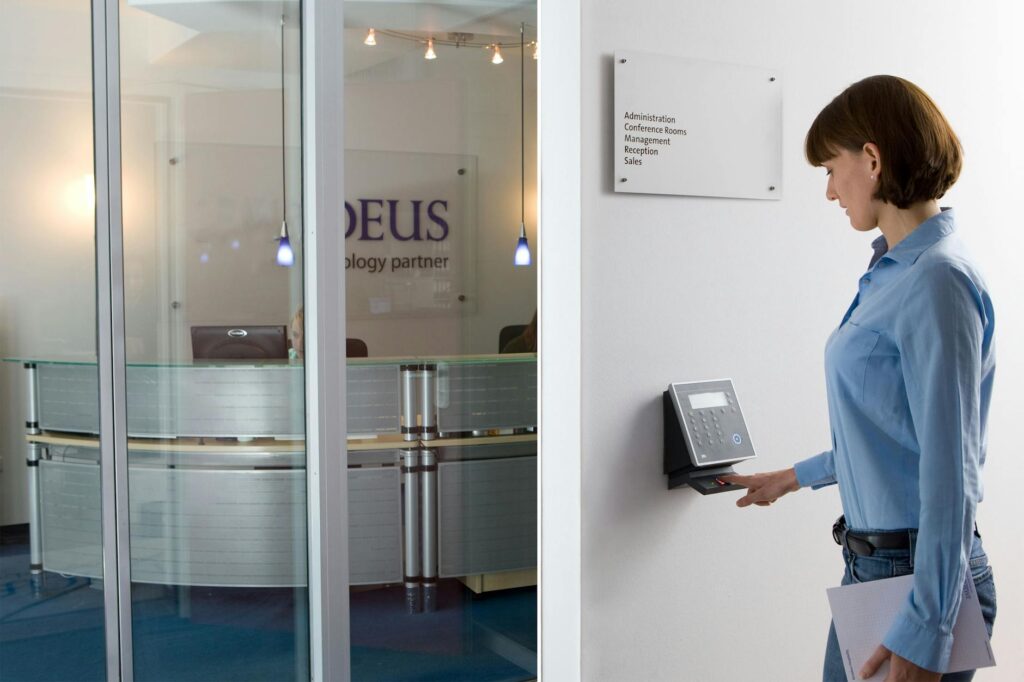
Biometric authentication is revolutionizing employee onboarding by providing enhanced security measures that go beyond traditional password protection. With the rise of cyber threats and data breaches, companies are turning to biometric technology to ensure the security of their sensitive information. By using unique biological traits such as fingerprints, facial recognition, and voice patterns, organizations can verify the identity of employees with a high level of accuracy.
One example of this is the implementation of fingerprint scanners at employee entrances. Instead of relying on keycards or passwords, employees can simply scan their fingerprints to gain access to secure areas. This not only streamlines the onboarding process but also eliminates the risk of unauthorized individuals gaining entry.
Biometric authentication can also be used in conjunction with other security measures such as two-factor authentication to create multiple layers of protection. This makes it significantly harder for hackers to breach the system and ensures that only authorized personnel have access to sensitive data.
Overall, the adoption of biometric authentication in employee onboarding is a crucial step towards bolstering security measures and safeguarding valuable company information.
Improved Efficiency and User Experience
One of the key benefits of biometric authentication in employee onboarding is the improved efficiency and user experience it provides. Traditional methods of onboarding, such as filling out paperwork and setting up login credentials, can be time-consuming and cumbersome for both employees and HR departments.
With biometric authentication, employees can quickly and easily verify their identity using their unique biological traits, eliminating the need for passwords or security questions. This not only saves time but also reduces the likelihood of errors or forgotten credentials.
For example, companies like Amazon have implemented biometric authentication in their warehouses to streamline the employee check-in process. By using facial recognition technology, employees can clock in and out with a simple scan of their face, improving overall efficiency and reducing wait times.
By enhancing the onboarding experience with biometric authentication, companies can create a seamless and user-friendly process for new employees while also improving overall productivity.
Compliance with Regulations
Biometric authentication is also revolutionizing employee onboarding by helping companies comply with strict data privacy regulations. In today’s digital age, protecting sensitive employee information is more important than ever, especially with regulations like GDPR and CCPA in place.
By using biometric technology, companies can ensure that employee data is securely stored and accessed in compliance with these regulations. For example, biometric data is often encrypted and stored in a secure database, reducing the risk of unauthorized access or data breaches.
Additionally, biometric authentication provides a higher level of security compared to traditional methods, making it easier for companies to demonstrate compliance with regulatory requirements. By implementing biometric authentication in employee onboarding, companies can protect employee data while also meeting legal obligations.
Overall, biometric authentication is a powerful tool for companies looking to enhance security, improve efficiency, and ensure compliance with data privacy regulations in the employee onboarding process.
The Impact of Biometric Authentication on Data Security in HR
Enhanced Data Security
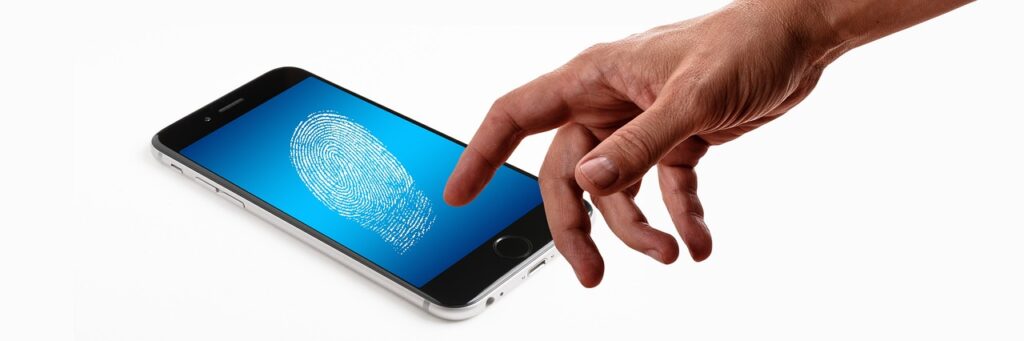
Biometric authentication offers a higher level of security compared to traditional password-based methods. By using unique biological characteristics such as fingerprints, facial recognition, or iris scans, HR departments can ensure that only authorized individuals have access to sensitive employee data. This significantly reduces the risk of data breaches and identity theft, as biometric information is much harder to replicate or steal than passwords.
For example, companies like Apple have integrated biometric authentication into their products, such as the Touch ID fingerprint scanner on iPhones. This not only enhances user experience but also provides a more secure way to access personal information stored on the device. In the HR context, biometric authentication can be used to secure employee records, payroll information, and other sensitive data.
Additionally, biometric authentication can help prevent “buddy punching” in time and attendance systems. By requiring employees to verify their identity using biometric data, organizations can ensure that time tracking records are accurate and reliable. This not only improves payroll accuracy but also promotes a culture of accountability among employees.
In summary, biometric authentication enhances data security in HR by providing a more reliable and secure way to authenticate individuals. With the increasing threat of cyberattacks and data breaches, implementing biometric solutions can help organizations safeguard their sensitive information and protect employee privacy.
Improved User Experience
One of the key benefits of biometric authentication is its ease of use and convenience for users. Unlike traditional password-based systems, which can be cumbersome and prone to human error, biometric authentication offers a seamless and frictionless way to access systems and applications. Employees no longer have to remember complex passwords or worry about forgetting them, as their unique biometric data serves as their digital identity.
For instance, companies like Microsoft have introduced Windows Hello, a biometric authentication feature that allows users to log in to their devices using facial recognition or fingerprints. This not only enhances security but also improves the overall user experience by making the login process faster and more convenient.
From an HR perspective, biometric authentication can streamline employee onboarding processes by eliminating the need for passwords and security tokens. New hires can quickly and securely verify their identity using biometric data, allowing them to access company systems and resources without any hassle. This not only saves time for HR professionals but also enhances the overall employee experience.
In conclusion, biometric authentication not only enhances data security but also improves the user experience for employees. By implementing biometric solutions, HR departments can create a more efficient and secure environment for managing employee data and ensuring compliance with data protection regulations.
Compliance with Data Protection Regulations
With the increasing focus on data privacy and protection, organizations are under pressure to ensure that sensitive information is handled securely and in compliance with regulations such as GDPR and HIPAA. Biometric authentication can help companies meet these regulatory requirements by providing a more secure way to authenticate individuals and protect their personal data.
For example, GDPR requires organizations to implement appropriate security measures to protect personal data from unauthorized access or disclosure. By using biometric authentication, HR departments can ensure that employee data is encrypted and securely stored, reducing the risk of data breaches and non-compliance with GDPR requirements.
Similarly, healthcare organizations subject to HIPAA regulations can benefit from biometric authentication to secure patient records and ensure that only authorized healthcare professionals have access to sensitive medical information. By using biometric data such as fingerprints or facial recognition, hospitals and clinics can prevent unauthorized access to patient data and maintain compliance with HIPAA guidelines.
In summary, biometric authentication plays a crucial role in helping organizations comply with data protection regulations and safeguard sensitive information. By implementing biometric solutions, HR departments can ensure that employee data is protected from unauthorized access and maintain compliance with regulatory requirements.
Implementing Biometric Authentication for Access Control in HR Departments
The Benefits of Biometric Authentication in HR Departments
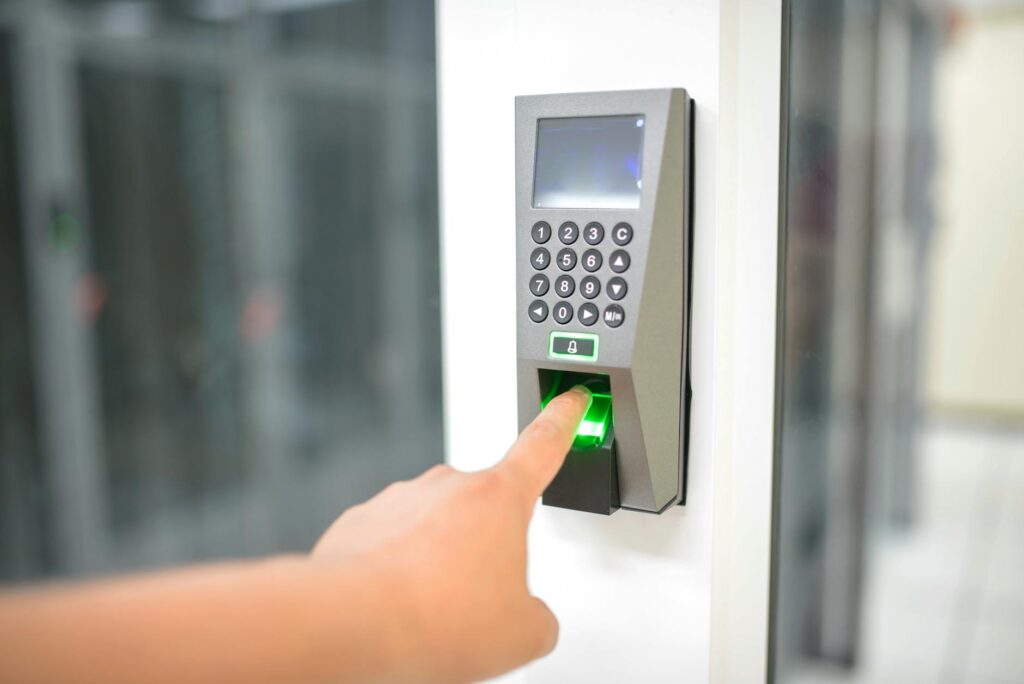
Biometric authentication offers a secure and convenient way for HR departments to control access to sensitive information and areas within the organization. By using unique physical characteristics such as fingerprints, facial recognition, or iris scans, companies can ensure that only authorized personnel can access confidential HR data.
One of the key advantages of biometric authentication is its accuracy and reliability. Unlike traditional password-based systems that can be easily hacked or shared, biometric data is unique to each individual, making it nearly impossible to fake or replicate. This significantly reduces the risk of data breaches and unauthorized access.
Additionally, biometric authentication eliminates the need for employees to remember and frequently update complex passwords, saving time and reducing the likelihood of forgotten passwords causing delays in accessing critical HR systems. This can lead to increased productivity and efficiency within the HR department.
Furthermore, biometric authentication can provide a detailed audit trail of who accessed what information and when, enhancing security measures and compliance with data protection regulations such as GDPR.
Challenges of Implementing Biometric Authentication in HR Departments
While biometric authentication offers numerous benefits, there are also challenges to consider when implementing this technology in HR departments. One common concern is the cost associated with installing biometric scanners and systems, as well as the maintenance and training required to ensure their proper use.
Another challenge is the potential for technical glitches or errors in biometric recognition, which can lead to delays or denial of access for employees. It is crucial for organizations to have backup authentication methods in place to address these issues and prevent disruptions in HR operations.
Privacy concerns are also a significant challenge when implementing biometric authentication in HR departments. Employees may worry about the security of their biometric data and how it will be stored and used. Organizations must be transparent about their data protection policies and ensure compliance with privacy regulations to build trust with employees.
Lastly, cultural acceptance and resistance to biometric authentication can pose challenges in some organizations. It is essential to educate employees about the benefits of biometric technology and address any misconceptions or fears they may have about its implementation.
Best Practices for Implementing Biometric Authentication in HR Departments
When implementing biometric authentication in HR departments, it is essential to follow best practices to ensure a smooth and successful deployment. First and foremost, organizations should conduct a thorough risk assessment to identify potential vulnerabilities and develop a comprehensive security strategy to mitigate risks.
Employee training and awareness are crucial when introducing biometric authentication technology. Providing clear instructions on how to enroll in the system, use biometric scanners, and troubleshoot common issues can help employees feel more comfortable and confident in using the new technology.
Regularly updating biometric systems and conducting security audits are essential to maintaining the integrity and effectiveness of the authentication process. Organizations should also have protocols in place for handling lost or stolen biometric data to prevent unauthorized access and protect employee privacy.
Lastly, organizations should communicate openly with employees about the reasons for implementing biometric authentication, the security measures in place to protect their data, and how the technology will improve access control in the HR department. Building trust and transparency is key to successful adoption of biometric authentication.
Enhancing HR Compliance with Biometric Authentication Technology
Increased Security Measures
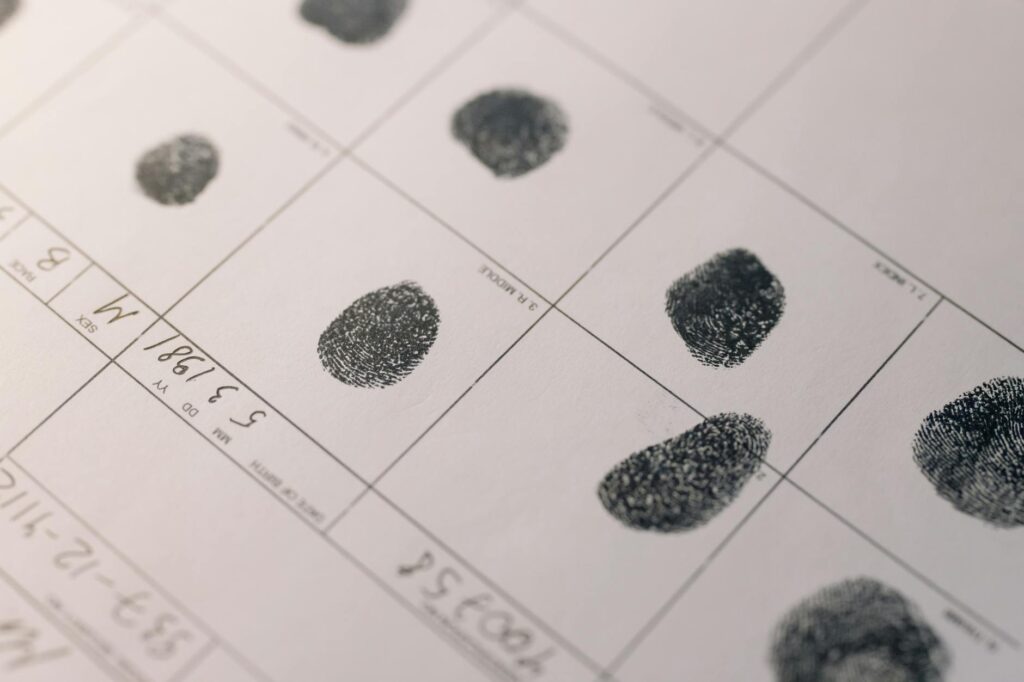
Biometric authentication technology offers enhanced security measures for HR compliance by providing a unique and virtually unforgeable way to verify employee identities. With traditional password-based systems, there is always a risk of unauthorized access through stolen or shared passwords. By implementing biometric authentication, such as fingerprint or facial recognition, organizations can ensure that only authorized individuals are given access to sensitive HR information.
For example, companies like Microsoft have incorporated biometric authentication into their Windows Hello feature, allowing users to log in to their devices using facial recognition or fingerprint scanning. This not only enhances security for HR compliance but also simplifies the user experience by eliminating the need for passwords.
In addition to preventing unauthorized access, biometric authentication technology can also help organizations track and monitor employee attendance more accurately. By using biometric time clocks, companies can eliminate time theft and ensure that employees are physically present when clocking in and out.
Overall, the increased security measures provided by biometric authentication technology can help organizations maintain compliance with HR regulations and protect sensitive employee data from potential breaches.
Streamlined Compliance Processes
Biometric authentication technology can streamline compliance processes for HR departments by automating identity verification and access control. Traditional methods of verifying employee identities, such as checking IDs or using keycards, can be time-consuming and prone to human error. By implementing biometric authentication, organizations can automate the verification process and ensure that only authorized individuals are granted access to HR systems and sensitive information.
For example, companies like IBM have integrated biometric authentication into their access control systems, allowing employees to securely access company resources using fingerprint or facial recognition. This not only simplifies the authentication process but also reduces the risk of unauthorized access and data breaches.
By streamlining compliance processes with biometric authentication technology, HR departments can ensure that employees are complying with company policies and regulations, such as data protection laws and privacy requirements. This can help organizations avoid costly compliance violations and protect sensitive employee information from unauthorized access.
Overall, the streamlined compliance processes provided by biometric authentication technology can help HR departments operate more efficiently and effectively while maintaining compliance with regulations.
Improved Employee Experience
Biometric authentication technology can improve the employee experience by providing a convenient and secure way to access HR systems and information. Traditional authentication methods, such as passwords or keycards, can be cumbersome and frustrating for employees, leading to decreased productivity and user satisfaction. By implementing biometric authentication, organizations can provide employees with a seamless and secure way to access HR resources.
For example, companies like Amazon have implemented biometric authentication in their warehouses to streamline the employee check-in process. Employees can clock in and out using fingerprint or facial recognition, reducing the time spent on manual attendance tracking and improving overall efficiency.
In addition to improving the employee experience, biometric authentication technology can also help organizations comply with regulations related to data protection and privacy. By using biometric data for authentication, organizations can ensure that sensitive employee information is secure and only accessible to authorized individuals.
Overall, the improved employee experience provided by biometric authentication technology can help organizations attract and retain top talent while maintaining compliance with HR regulations.
The Future of Employee Time Tracking: Biometric Authentication Solutions

Enhanced Security Measures
In the realm of employee time tracking, biometric authentication solutions are paving the way for enhanced security measures. By utilizing unique biological traits such as fingerprints, facial recognition, or voice patterns, companies can ensure that only authorized personnel have access to sensitive information or restricted areas.
One prime example of this technology in action is the use of fingerprint scanners to clock in and out of shifts. This not only eliminates the possibility of buddy punching but also provides a fool-proof method of verifying an employee’s identity.
Furthermore, biometric authentication solutions offer an added layer of protection against identity theft and fraud. Unlike traditional password-based systems, biometric data cannot be easily replicated or stolen, making it a more secure option for employee time tracking.
As technology continues to advance, we can expect to see even more sophisticated biometric authentication solutions that further enhance security measures in the workplace.
Improved Efficiency and Accuracy
Aside from bolstering security, biometric authentication solutions also bring about improved efficiency and accuracy in employee time tracking. Gone are the days of manual time cards or cumbersome login procedures – with biometric systems, employees can clock in and out with a simple scan of their fingerprint or facial features.
This streamlined process not only saves time for both employees and administrators but also reduces the margin for error. Human error in data entry is a common issue in traditional time tracking methods, but biometric authentication solutions eliminate this risk by automatically recording accurate time stamps.
Moreover, the real-time nature of biometric authentication allows for immediate tracking and monitoring of employee attendance, making it easier to identify patterns or discrepancies in work hours.
By leveraging the power of biometric technology, companies can optimize their time tracking processes and ensure that payroll is accurate and efficient.
Adoption Challenges and Considerations
While the benefits of biometric authentication solutions for employee time tracking are undeniable, there are some challenges and considerations that come with their adoption. One key concern is data privacy – as biometric data is highly sensitive and unique to each individual, companies must ensure that it is securely stored and protected from unauthorized access.
Another consideration is the cost associated with implementing biometric authentication systems. While the initial investment may be high, the long-term benefits in terms of security and efficiency often outweigh the upfront expenses.
Additionally, companies must take into account the need for employee training and education when introducing biometric authentication solutions. Ensuring that staff are properly informed on how to use the technology and understand its purpose is crucial for a successful implementation.
Despite these challenges, the future of employee time tracking is undoubtedly moving towards biometric authentication solutions, as companies seek to enhance security, improve efficiency, and stay ahead of the curve in workforce management.
Addressing Employee Privacy Concerns with Biometric Authentication in HR

Understanding Employee Privacy Concerns
Biometric authentication in HR has become increasingly popular due to its convenience and security benefits. However, many employees have raised valid concerns about privacy when it comes to using biometric data for authentication purposes. One of the main worries is the potential misuse of biometric data, such as fingerprint or facial recognition, by employers or third parties.
Employees are concerned about the possibility of their biometric data being hacked or stolen, leading to identity theft or unauthorized access to sensitive information. Additionally, there are worries about the lack of regulations and transparency surrounding the collection and storage of biometric data by companies.
To address these concerns, HR departments need to be transparent about how biometric data is being used, stored, and protected. Employers should also consider implementing strict security measures to safeguard biometric information from unauthorized access.
By addressing employee privacy concerns head-on and taking proactive steps to protect biometric data, HR departments can build trust with their employees and ensure the successful implementation of biometric authentication systems.
Implementing Privacy Safeguards
One way to address employee privacy concerns with biometric authentication in HR is to implement strong privacy safeguards and data protection measures. This includes encryption of biometric data, regular security audits, and strict access controls to prevent unauthorized use of biometric information.
Employers should also provide clear guidelines on how biometric data will be used and stored, as well as obtain explicit consent from employees before collecting any biometric information. By being transparent and upfront about the use of biometric authentication, HR departments can help alleviate employee concerns and ensure compliance with privacy regulations.
It is also important for HR departments to stay up-to-date on the latest developments in biometric technology and privacy regulations to ensure they are following best practices and mitigating any potential risks associated with biometric authentication.
By taking these proactive steps to protect employee privacy, HR departments can successfully harness the power of biometric authentication while maintaining the trust and confidence of their workforce.
Building Trust and Communication
Building trust and open communication with employees is essential when implementing biometric authentication in HR. Employers should engage in regular communication with their workforce to address any concerns or questions related to the use of biometric data for authentication purposes.
Employers should also provide training and education to employees on how biometric authentication works, the security measures in place to protect their data, and the benefits of using biometric technology. This can help alleviate any fears or misconceptions employees may have about the use of biometric authentication in the workplace.
By fostering a culture of transparency and openness surrounding biometric authentication, HR departments can build trust with their employees and demonstrate their commitment to protecting privacy and security. This, in turn, can lead to a successful implementation of biometric authentication systems and increased employee acceptance and adoption of this technology.
Ultimately, by prioritizing employee privacy and communication, HR departments can navigate the challenges of implementing biometric authentication in a way that respects and protects the rights and concerns of their workforce.
Conclusion
In conclusion, the future of security lies in harnessing the power of biometric authentication. This cutting-edge technology offers a more secure and convenient way to protect sensitive information and prevent unauthorized access. As advancements in biometrics continue to evolve, businesses and individuals alike can benefit from the enhanced security measures it provides.
- Cyber Threats
- Biometric authentication offers a higher level of security compared to traditional password-based systems.
- It provides a more convenient and user-friendly authentication process for users.
- Biometrics can be used in a variety of industries, including finance, healthcare, and government, to enhance security measures.
Overall, embracing biometric authentication is essential for staying ahead in the ever-evolving landscape of cybersecurity. By leveraging the power of biometrics, organizations can enhance their security protocols and protect sensitive data from potential threats. It is clear that biometric authentication is the future of security, and those who adopt this technology will be better equipped to safeguard their assets and information in the digital age.
Frequently Asked Questions

What is biometric authentication?
Biometric authentication is a security process that uses unique physical characteristics, such as fingerprints, retina scans, or facial recognition, to verify a person’s identity.
How secure is biometric authentication compared to traditional methods like passwords?
Biometric authentication is generally considered more secure than traditional methods like passwords, as it is much harder for someone to replicate or steal a person’s biometric data.
What are some common applications of biometric authentication?
Biometric authentication is commonly used in smartphones for unlocking devices, in airports for passport control, and in businesses for secure access to sensitive data.
Are there any privacy concerns with biometric authentication?
There are some privacy concerns with biometric authentication, as storing and protecting biometric data raises questions about how that data is being used and who has access to it.
What is the future of biometric authentication technology?
The future of biometric authentication technology is likely to see advancements in accuracy and speed, as well as increased integration into everyday devices and systems for enhanced security.
Related Topics
Images sourced via Pexels.
Leave a Reply