


In a world where cyber threats are becoming more sophisticated and prevalent, traditional methods of identity verification are no longer enough to protect sensitive information. This is where biometric authentication comes into play, revolutionizing the way we verify identities and ensuring a higher level of security. passwords is a foundational topic here. Physical characteristics is equally relevant.
Biometric authentication uses unique physical characteristics, such as fingerprints, facial features, and iris patterns, to confirm a person’s identity. Unlike passwords or PINs, which can be forgotten, stolen, or easily hacked, biometric data is inherently personal and cannot be easily replicated. This makes it a highly secure method of verifying identities and protecting data.
As technology continues to advance, biometric authentication is becoming more accessible and widespread. From unlocking smartphones with facial recognition to using fingerprints to access bank accounts, biometric authentication is changing the way we interact with technology and ensuring that only authorized individuals have access to sensitive information.
In this article, we will explore the various types of biometric authentication, the benefits it offers in terms of security and convenience, and how it is shaping the future of identity verification. Join us on this journey as we delve into the exciting world of biometric authentication and discover how it is revolutionizing security in the digital age.
The Importance of Biometric Authentication in HR Security – identity verification
Enhanced Security Measures
Biometric authentication offers a higher level of security compared to traditional methods such as passwords or PINs. By using unique physical characteristics like fingerprints, facial recognition, or iris scans, companies can ensure that only authorized individuals have access to sensitive HR data.
For example, in a recent study conducted by IBM, it was found that 81% of data breaches are due to weak or stolen passwords. By implementing biometric authentication in HR systems, organizations can significantly reduce the risk of unauthorized access and protect employee information.
Moreover, biometric authentication is nearly impossible to replicate or fake, making it a more reliable form of identity verification. This is especially important in HR security, where personal data such as social security numbers, bank account details, and performance reviews need to be safeguarded.
Overall, the enhanced security measures provided by biometric authentication make it an essential tool for HR departments looking to protect sensitive information and prevent data breaches.
Improved User Experience
Biometric authentication not only enhances security but also improves the user experience for employees. Instead of having to remember complex passwords or carry around access cards, individuals can simply use their unique biometric data to verify their identity.
This streamlined authentication process saves time and eliminates the frustration of forgotten passwords, leading to increased productivity and efficiency in the workplace. Additionally, biometric authentication can be seamlessly integrated into existing HR systems, making it easy for employees to adopt this new technology.
For example, companies like Microsoft have successfully implemented facial recognition technology in their HR processes, allowing employees to clock in and out of work with a simple scan of their face. This not only improves the user experience but also provides accurate attendance tracking for HR managers.
In summary, biometric authentication offers a convenient and user-friendly solution for identity verification in HR security, enhancing both security measures and the overall employee experience.
Compliance with Regulations
With the increasing focus on data privacy and security regulations, such as GDPR and CCPA, companies are under pressure to ensure that sensitive employee information is properly protected. Biometric authentication can help organizations comply with these regulations by providing a secure method of identity verification.
For example, under GDPR, companies are required to implement appropriate technical and organizational measures to protect personal data. Biometric authentication aligns with this requirement by offering a robust security solution that minimizes the risk of data breaches.
Furthermore, biometric data is considered more secure than traditional authentication methods, making it a preferred option for companies looking to meet regulatory standards. By incorporating biometric authentication into their HR security protocols, organizations can demonstrate their commitment to data protection and compliance with legal requirements.
In conclusion, the use of biometric authentication in HR security not only enhances data protection and user experience but also ensures compliance with regulations, positioning companies as trustworthy custodians of employee information.
Top Benefits of Implementing Biometric Authentication in the Workplace
Enhanced Security
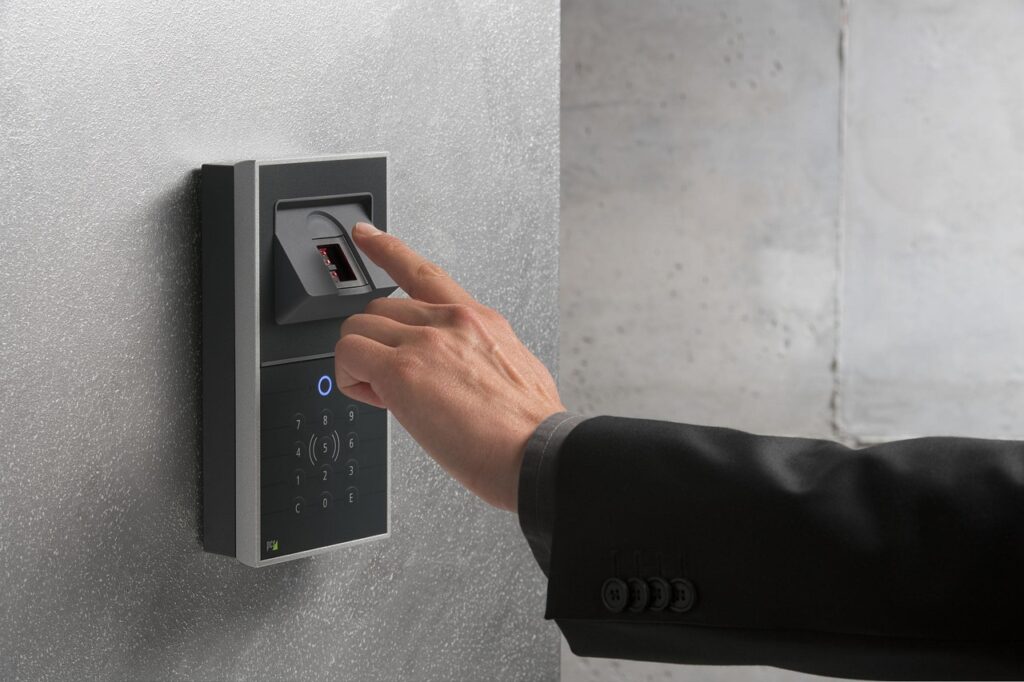
One of the primary advantages of implementing biometric authentication in the workplace is the enhanced security it provides. Unlike traditional passwords or keycards, biometric data such as fingerprints, facial recognition, or iris scans are unique to each individual and virtually impossible to replicate. This significantly reduces the risk of unauthorized access and ensures that only authorized personnel can gain entry to sensitive areas or information.
For example, companies like Apple have integrated biometric authentication, such as Face ID and Touch ID, into their devices to enhance security and protect user data. This technology has proven to be highly effective in preventing unauthorized access to personal information and financial transactions.
In addition, biometric authentication eliminates the need for employees to remember complex passwords or carry around keycards, reducing the likelihood of security breaches due to weak passwords or lost/stolen credentials. This not only enhances security but also improves overall user experience and convenience.
Overall, the enhanced security provided by biometric authentication in the workplace helps organizations protect sensitive data, prevent security breaches, and maintain compliance with industry regulations.
Improved Efficiency
Another key benefit of implementing biometric authentication in the workplace is the improved efficiency it brings to daily operations. Biometric systems can streamline processes such as clocking in and out, accessing secure areas, and logging into computers or applications, saving time and reducing the administrative burden on employees and IT staff.
For instance, organizations like Amazon have implemented biometric authentication in their warehouses to improve efficiency and accuracy in tracking employee attendance and productivity. By using fingerprint scanners or facial recognition technology, employees can quickly clock in and out without the need for manual timekeeping or badge swiping.
Moreover, biometric authentication can help reduce instances of buddy punching or time theft, where employees clock in for absent colleagues. This ensures accurate attendance records and payroll processing, leading to cost savings and increased productivity for the organization.
In conclusion, the improved efficiency provided by biometric authentication in the workplace can help organizations streamline operations, reduce administrative overhead, and enhance overall productivity.
Enhanced User Experience
Biometric authentication offers a seamless and intuitive user experience for employees, making it easier to access systems and information securely. Unlike passwords that can be forgotten or stolen, biometric data is unique to each individual and cannot be easily replicated, providing a more secure and user-friendly authentication method.
For example, companies like Microsoft have incorporated biometric authentication features, such as Windows Hello, into their operating systems to provide a more convenient and secure login experience for users. With facial recognition or fingerprint scanning, employees can quickly and securely access their devices without the hassle of remembering complex passwords.
Additionally, biometric authentication can be used to personalize user experiences by customizing settings and preferences based on individual biometric data. This not only enhances security but also improves user satisfaction and engagement with the technology.
In summary, the enhanced user experience provided by biometric authentication in the workplace can help organizations improve employee satisfaction, increase productivity, and drive adoption of secure authentication methods.
Cost Savings
Implementing biometric authentication in the workplace can lead to significant cost savings for organizations in the long run. By reducing the risk of security breaches and data theft, companies can avoid costly fines, lawsuits, and reputational damage associated with cyber attacks or unauthorized access to sensitive information.
For instance, industries like banking and finance have adopted biometric authentication to enhance security and protect customer data from fraud and identity theft. By using biometric identifiers like fingerprints or voice recognition, financial institutions can verify customer identities more securely and prevent unauthorized access to accounts.
Moreover, biometric authentication can help reduce the administrative costs associated with managing passwords, issuing keycards, and resetting access credentials. By automating authentication processes with biometric technology, organizations can streamline operations, save time, and improve overall efficiency.
In conclusion, the cost savings provided by biometric authentication in the workplace can help organizations mitigate security risks, reduce operational expenses, and protect their bottom line.
How Biometric Authentication is Transforming Identity Verification Processes

Enhanced Security Measures
Biometric authentication is revolutionizing identity verification processes by providing enhanced security measures that are virtually impossible to breach. Unlike traditional methods such as passwords or PINs, biometric data, such as fingerprints or facial recognition, is unique to each individual, making it extremely difficult for imposters to gain access. This added layer of security helps protect sensitive information and prevents unauthorized access to personal accounts or data.
One notable example of biometric authentication enhancing security measures is the adoption of fingerprint scanning technology in smartphones. By using a fingerprint to unlock a device, users can ensure that only they have access to their personal information stored on the phone. This has significantly reduced instances of unauthorized access and identity theft, making smartphones more secure than ever before.
Moreover, biometric authentication can also be used in conjunction with other security measures, such as two-factor authentication, to create a multi-layered defense against cyber threats. By combining biometric data with a secondary form of verification, such as a code sent to a registered email address, organizations can further strengthen their security protocols and protect sensitive information from potential breaches.
In addition to securing digital assets, biometric authentication is also being used to enhance physical security measures in various industries, such as healthcare and finance. For instance, hospitals are implementing biometric access control systems to restrict entry to authorized personnel only, reducing the risk of unauthorized individuals gaining access to sensitive patient information or restricted areas within the facility.
Improved User Experience
One of the key benefits of biometric authentication is the improved user experience it offers compared to traditional identity verification methods. With biometric data, users no longer have to remember complex passwords or worry about forgetting their credentials, as their unique biological traits serve as their digital identity. This not only simplifies the authentication process but also saves time for users and reduces the frustration associated with password management.
For example, facial recognition technology has become increasingly popular in the travel industry, allowing passengers to board flights and pass through security checkpoints without needing to present physical documents or boarding passes. By simply scanning their faces, travelers can quickly and securely verify their identities, streamlining the boarding process and enhancing overall travel experiences.
Furthermore, the convenience of biometric authentication extends beyond travel and into everyday activities, such as online shopping or banking. By using fingerprint or voice recognition to authenticate transactions, users can seamlessly complete purchases or financial transactions without the need to enter lengthy passwords or security codes. This not only improves the user experience but also reduces the likelihood of fraudulent activities, as biometric data is much harder to replicate or steal compared to traditional authentication methods.
Overall, the improved user experience provided by biometric authentication is driving widespread adoption across various industries, as organizations recognize the value of enhancing security without compromising convenience for their customers or employees.
Challenges and Ethical Considerations
While biometric authentication offers numerous benefits in terms of security and user experience, there are also challenges and ethical considerations that must be addressed to ensure its responsible implementation. One of the main challenges is the potential risk of data breaches or misuse of biometric data, as once compromised, this information cannot be changed like a password or PIN.
To mitigate this risk, organizations must prioritize data protection and implement robust security measures to safeguard biometric data from unauthorized access or theft. This includes encrypting biometric templates, storing data in secure servers, and regularly updating security protocols to prevent potential breaches.
Another ethical consideration is the potential impact on privacy rights and individual freedoms, as biometric authentication relies on capturing and storing sensitive personal information. Organizations must be transparent about how biometric data is collected, stored, and used, and obtain explicit consent from individuals before implementing biometric authentication systems.
Furthermore, there are concerns about the accuracy and bias of biometric technologies, particularly in facial recognition systems that have been shown to exhibit racial and gender biases. To address these issues, organizations must ensure that biometric algorithms are constantly tested and improved to minimize errors and biases, and take proactive measures to prevent discriminatory outcomes in identity verification processes.
Addressing Concerns: Debunking Myths About Biometric Authentication

Myth: Biometric data can be easily hacked
One common concern about biometric authentication is the fear that hackers can easily steal and replicate biometric data. However, biometric systems employ advanced encryption techniques to protect the stored data. For example, Apple’s Touch ID and Face ID use a secure enclave on the device to store biometric information, making it extremely difficult for hackers to access this data.
In addition, biometric systems often use multi-factor authentication, requiring a combination of factors such as a fingerprint scan, facial recognition, and a passcode. This adds an extra layer of security, making it even more challenging for hackers to bypass the system.
It’s important to note that no security system is foolproof, but biometric authentication is continuously evolving to stay ahead of potential threats. As technology advances, biometric systems are becoming even more secure, making them a reliable option for identity verification.
Overall, while no system is completely immune to hacking, biometric authentication remains one of the most secure methods of verifying identity, providing users with peace of mind when it comes to protecting their personal information.
Myth: Biometric authentication is invasive and violates privacy
Some critics argue that biometric authentication is invasive and infringes on individuals’ privacy rights. However, biometric data is typically stored locally on the device or in a secure server, rather than being shared with third parties. For example, when you use your fingerprint to unlock your smartphone, the biometric data is stored on the device itself and not sent to Apple or Google.
In addition, biometric systems do not store actual images of fingerprints or faces. Instead, they create templates based on unique features, such as the distance between facial features or the pattern of ridges on a fingerprint. This ensures that even if a biometric database is compromised, the original biometric data cannot be reconstructed.
Furthermore, many biometric systems offer opt-in features, allowing users to choose whether or not to use biometric authentication. This gives individuals control over their personal information and ensures that their privacy is respected.
Overall, biometric authentication can actually enhance privacy by providing a secure and convenient way to verify identity without the need to share sensitive personal information with third parties.
Myth: Biometric systems are not reliable and can be easily fooled
Another common misconception about biometric authentication is that it is not reliable and can be easily fooled by impostors. While it is true that some biometric systems have been tricked by sophisticated spoofing techniques in the past, advancements in technology have made biometric authentication much more secure.
For example, newer biometric systems use liveness detection to ensure that the person being authenticated is physically present and not a static image or a video recording. This technology can detect subtle movements or changes in facial features to verify that the person is real.
In addition, biometric systems are constantly improving their algorithms to better distinguish between legitimate users and impostors. For instance, some facial recognition systems now use 3D mapping technology to create a more accurate representation of a person’s face, making it harder for impostors to bypass the system.
While no system is perfect, biometric authentication has made significant strides in improving reliability and accuracy, making it a viable option for identity verification in various industries.
Myth: Biometric authentication is expensive and difficult to implement
One of the myths surrounding biometric authentication is that it is costly and complicated to implement, especially for small businesses or organizations with limited resources. However, the cost of biometric technology has decreased significantly in recent years, making it more accessible to a wider range of businesses and individuals.
Many biometric solutions now offer cloud-based services, allowing businesses to easily integrate biometric authentication into their existing systems without the need for costly hardware or infrastructure. This makes it easier for organizations to adopt biometric technology and enhance their security measures.
Furthermore, biometric systems are becoming increasingly user-friendly, with intuitive interfaces and simple setup processes. For example, fingerprint scanners and facial recognition software are now commonly integrated into smartphones and laptops, making it easy for users to enable biometric authentication on their devices.
Overall, while there may be initial costs associated with implementing biometric authentication, the long-term benefits in terms of security, convenience, and accuracy far outweigh the investment, making it a worthwhile solution for businesses of all sizes.
Future Trends in Biometric Authentication for HR Professionals

Increased Adoption of Facial Recognition Technology
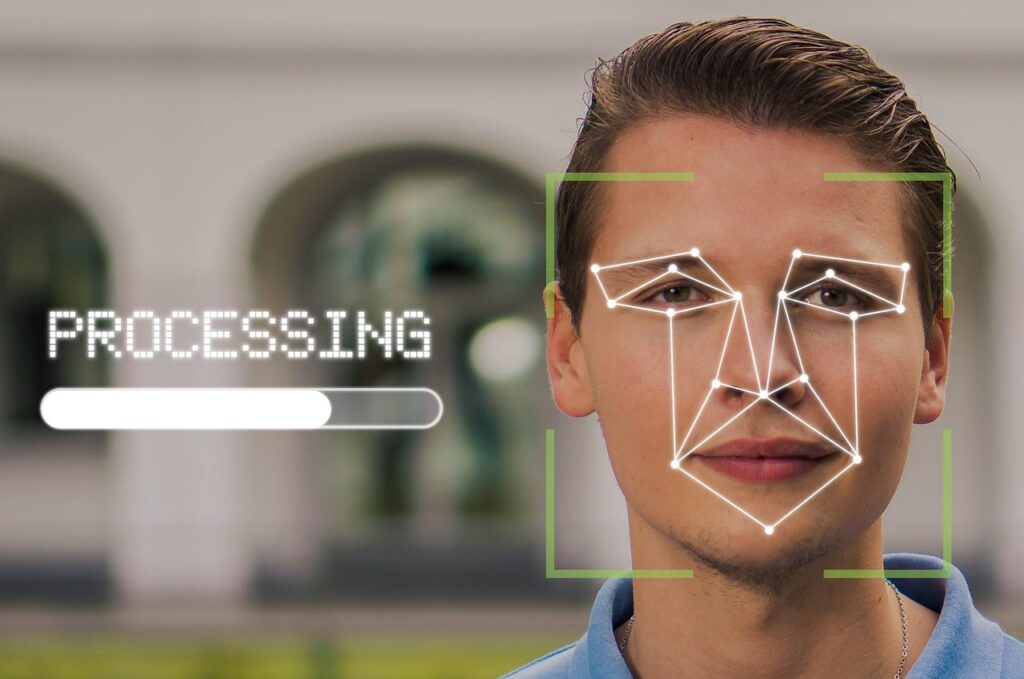
Facial recognition technology is becoming increasingly popular as a biometric authentication method for HR professionals. This technology uses facial features such as the eyes, nose, and mouth to verify an individual’s identity. With the rise of remote work and the need for secure access to company systems, facial recognition offers a convenient and secure way for employees to authenticate their identities.
One of the key advantages of facial recognition technology is its ease of use. Employees can simply look into a camera to verify their identity, eliminating the need for passwords or key cards. This not only streamlines the authentication process but also reduces the risk of unauthorized access to sensitive information.
Moreover, facial recognition technology is constantly evolving, with advancements in artificial intelligence enabling more accurate and reliable authentication. HR professionals can expect to see even greater improvements in the accuracy and speed of facial recognition systems in the near future.
Overall, the increased adoption of facial recognition technology presents a promising future trend in biometric authentication for HR professionals, offering a convenient and secure way to verify employee identities.
Integration of Behavioral Biometrics
Behavioral biometrics involve analyzing patterns in an individual’s behavior, such as typing speed, mouse movements, and even voice pitch, to authenticate their identity. This innovative approach to biometric authentication offers a unique way for HR professionals to verify employees’ identities based on their natural behaviors.
One of the key benefits of behavioral biometrics is its ability to provide continuous authentication, allowing HR professionals to monitor employees’ identities throughout their interactions with company systems. This proactive approach to security helps detect any unusual behavior that may indicate a security threat.
Furthermore, behavioral biometrics can complement other biometric authentication methods, such as fingerprint or facial recognition, to create a multi-factor authentication system that enhances security measures. By combining different biometric modalities, HR professionals can create a robust authentication system that is difficult for malicious actors to bypass.
As the technology behind behavioral biometrics continues to advance, HR professionals can expect to see greater integration of this innovative approach into their authentication systems, providing a more comprehensive and secure method of verifying employee identities.
Emphasis on Privacy and Data Protection
With the increasing use of biometric authentication in the workplace, there is a growing emphasis on privacy and data protection. HR professionals must ensure that the biometric data collected from employees is securely stored and protected from unauthorized access.
One way to address privacy concerns is through the use of encryption techniques to secure biometric data stored in company databases. By encrypting the data, HR professionals can prevent unauthorized access and ensure that employees’ biometric information remains confidential.
Additionally, HR professionals should implement strict access control policies to regulate who has permission to access and use biometric data. By limiting access to only authorized personnel, HR professionals can mitigate the risk of data breaches and protect employees’ privacy.
Overall, as biometric authentication becomes more prevalent in the workplace, HR professionals must prioritize privacy and data protection to maintain trust and compliance with regulations such as GDPR and CCPA.
Case Studies: Successful Implementation of Biometric Authentication in HR
Company A: Streamlining Employee Attendance Tracking
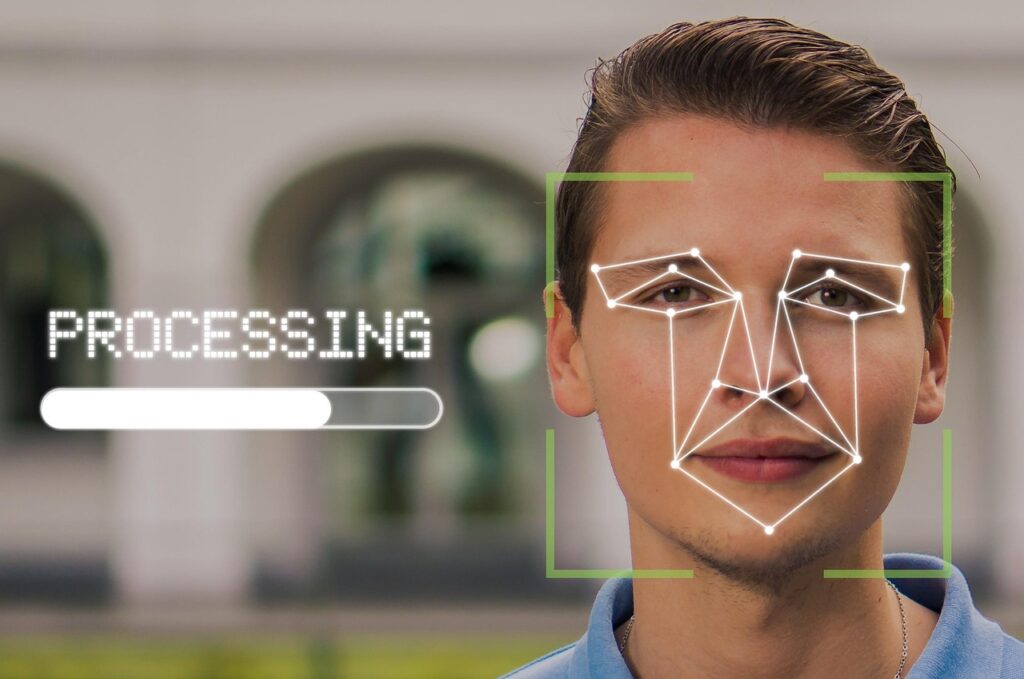
Company A, a large multinational corporation, implemented biometric authentication for employee attendance tracking to eliminate time fraud and improve overall accuracy. By using fingerprint scanners at entry points, employees are able to easily clock in and out of work without the need for traditional punch cards or passwords.
This implementation has resulted in a significant reduction in payroll errors and has saved the company both time and money. Employees appreciate the convenience and security of the biometric system, leading to higher satisfaction and productivity levels within the organization.
Additionally, the HR department at Company A has seen a decrease in administrative tasks related to attendance tracking, allowing them to focus on more strategic initiatives. Overall, the successful implementation of biometric authentication has transformed the way Company A manages employee attendance and has set a new standard for efficiency in HR processes.
? Benefits of biometric authentication for attendance tracking at Company A:
- facial recognition
- Elimination of time fraud
- Improved accuracy in payroll processing
- Increased employee satisfaction and productivity
- Streamlined HR processes
Company B: Enhancing Security for Sensitive Data Access
Company B, a financial institution, implemented biometric authentication for access to sensitive data and systems to enhance security measures and protect against unauthorized access. By requiring employees to use facial recognition technology to log in to their workstations and access critical information, Company B has significantly reduced the risk of data breaches.
The biometric authentication system at Company B has not only strengthened security protocols but has also improved the overall user experience for employees. With quick and secure access to their workstations, employees can focus on their tasks without worrying about potential security threats.
Furthermore, Company B has seen a decrease in security incidents and has gained a reputation for being a leader in data protection within the financial industry. The successful implementation of biometric authentication has positioned Company B as a trusted institution that prioritizes the security and confidentiality of sensitive information.
? Benefits of biometric authentication for data access at Company B:
- Enhanced security measures
- Reduced risk of data breaches
- Improved user experience for employees
- Established reputation for data protection
Best Practices for Ensuring Data Security with Biometric Authentication in HR

Implement Multi-Factor Authentication
One of the best practices for ensuring data security with biometric authentication in HR is to implement multi-factor authentication. This involves requiring users to provide two or more forms of verification before granting access to sensitive information. By combining biometric data with a password or security token, organizations can significantly reduce the risk of unauthorized access.
For example, a company could require employees to scan their fingerprint and enter a unique PIN in order to log into their HR system. This additional layer of security makes it much harder for malicious actors to gain access to sensitive data, even if they manage to steal someone’s biometric information.
Multi-factor authentication is becoming increasingly popular in the business world, with many organizations recognizing the importance of securing their data against cyber threats. By implementing this practice, HR departments can protect sensitive employee information and ensure that only authorized individuals have access to it.
Overall, multi-factor authentication is a crucial component of a comprehensive data security strategy that incorporates biometric authentication in HR.
Regularly Update Biometric Templates
Another important best practice for ensuring data security with biometric authentication in HR is to regularly update biometric templates. Biometric data, such as fingerprints or facial scans, can be compromised if not properly maintained. By regularly updating these templates, organizations can ensure that their biometric authentication systems remain effective and secure.
For example, if an employee’s fingerprint changes due to injury or aging, their biometric template may no longer be accurate. By regularly updating these templates, HR departments can prevent false rejections or unauthorized access to sensitive information.
It is important for organizations to establish a schedule for updating biometric templates, taking into account factors such as the frequency of use and the sensitivity of the data being protected. By staying proactive in this regard, HR departments can maintain the integrity of their biometric authentication systems and minimize the risk of security breaches.
In conclusion, regularly updating biometric templates is a critical best practice for ensuring data security with biometric authentication in HR.
Encrypt Biometric Data
Encrypting biometric data is another essential best practice for ensuring data security with biometric authentication in HR. Encryption involves converting biometric information into a secure code that can only be deciphered by authorized parties. By encrypting biometric data, organizations can protect it from unauthorized access and ensure that it remains confidential.
For example, a company could use encryption algorithms to secure fingerprint scans stored in their HR database. This would prevent hackers from intercepting the data and using it to gain unauthorized access to sensitive information.
By encrypting biometric data, HR departments can comply with data protection regulations and safeguard the privacy of their employees. This practice is crucial for maintaining trust and credibility with both internal stakeholders and external regulators.
In summary, encrypting biometric data is a fundamental best practice for ensuring data security with biometric authentication in HR.
Regularly Audit Access Logs
Regularly auditing access logs is a key best practice for ensuring data security with biometric authentication in HR. By reviewing these logs on a regular basis, organizations can identify any suspicious activity or unauthorized access attempts and take appropriate action to mitigate the risk of a security breach.
For example, HR departments can monitor access logs to track who is accessing sensitive data, when they are accessing it, and from which device. This information can help them identify any anomalies or patterns that may indicate a security threat.
By conducting regular audits of access logs, organizations can proactively detect and respond to security incidents before they escalate. This practice is essential for maintaining the integrity of biometric authentication systems and protecting sensitive HR data.
In conclusion, regularly auditing access logs is a critical best practice for ensuring data security with biometric authentication in HR.
Conclusion
Biometric authentication is rapidly transforming the landscape of identity verification and security measures. As technology continues to advance, organizations are increasingly turning to biometric solutions to enhance security and streamline authentication processes.
- Biometric authentication offers a higher level of security compared to traditional methods such as passwords and PINs.
- Biometric data is unique to each individual, making it nearly impossible for unauthorized users to gain access.
- With the rise of mobile devices and wearable technology, biometric authentication is becoming more accessible and convenient for users.
Final Takeaways
As we look to the future, biometric authentication will continue to play a crucial role in safeguarding sensitive information and protecting identities. By leveraging biometric technology, organizations can stay ahead of cyber threats and provide their users with a secure and seamless authentication experience.
Frequently Asked Questions

Q: What is biometric authentication?
A: Biometric authentication is a security process that uses unique biological characteristics, such as fingerprints, facial recognition, or iris scans, to verify a person’s identity.
Q: How is biometric authentication revolutionizing identity verification?
A: Biometric authentication is revolutionizing identity verification by providing a more secure and reliable method of confirming a person’s identity, reducing the risk of fraud and unauthorized access.
Q: Is biometric authentication safe to use?
A: Yes, biometric authentication is considered to be a safe and secure method of verifying identity, as it is extremely difficult to fake or duplicate biometric data.
Q: What are the potential drawbacks of biometric authentication?
A: Some potential drawbacks of biometric authentication include privacy concerns, the possibility of data breaches, and the need for specialized hardware or software to support biometric authentication systems.
Q: How widespread is the adoption of biometric authentication technology?
A: Biometric authentication technology is becoming increasingly popular and is being used in a wide range of industries, including banking, healthcare, and government sectors, as a means of enhancing security and improving user experience.
Related Topics
Images sourced via Pexels.
Leave a Reply