


This article on Biometrics in Security Transformation also touches on related topics like security, biometric technology, Biometrics, voice authentication.
In today’s digital age, the need for secure and reliable methods of authentication has never been more pressing. With data breaches and identity theft on the rise, traditional methods of security like passwords and PINs are no longer sufficient to protect sensitive information. This is where biometrics come in. Security is a foundational topic here. Biometrics is equally relevant.
Biometrics, the measurement and analysis of unique physical and behavioral characteristics, are revolutionizing the way we think about security. From fingerprint and facial recognition to iris scanning and voice authentication, biometric technology offers a level of security that is unmatched by traditional methods.
But biometrics are not just changing the game when it comes to security – they are also making our lives easier. With biometric authentication, there is no need to remember complex passwords or worry about stolen credentials. Instead, your unique biological traits serve as the key to unlocking your devices and accessing your accounts.
As biometric technology continues to advance, the possibilities for its applications are endless. From securing our smartphones and laptops to revolutionizing the way we access healthcare and financial services, biometrics are set to play a crucial role in the future of security.
The Evolution of Biometric Technology in HR Security – biometric technology
Introduction to Biometric Technology
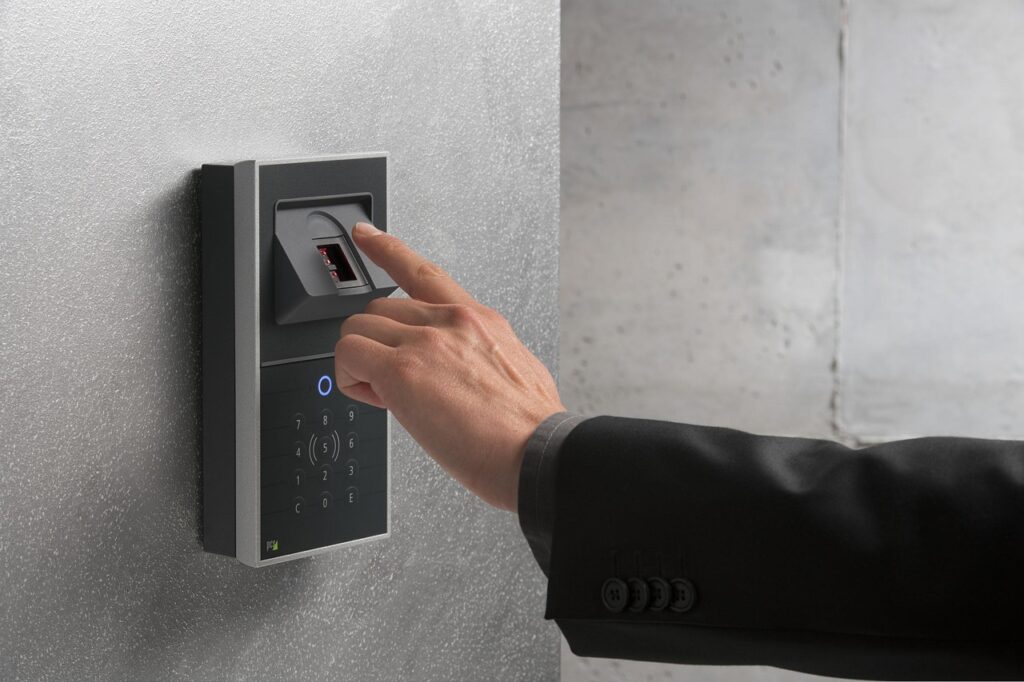
Biometric technology is revolutionizing the way companies approach security in the HR department. Gone are the days of relying solely on passwords and keycards to protect sensitive information. Biometric technology uses unique physical characteristics, such as fingerprints, facial features, and iris patterns, to verify the identity of individuals. This provides a much more secure and reliable method of access control.
One of the main benefits of biometric technology is its convenience. Employees no longer have to remember complex passwords or carry around keycards that can easily be lost or stolen. Instead, they simply need to scan their fingerprint or look into a camera to gain access to secure areas. This not only streamlines the authentication process but also reduces the risk of security breaches.
Furthermore, biometric technology is highly accurate and difficult to spoof. Unlike passwords that can be easily guessed or shared, biometric identifiers are unique to each individual. This makes them an ideal solution for sensitive HR information, such as payroll data, performance evaluations, and personal employee records.
As biometric technology continues to evolve, we can expect to see even more advanced forms of identification, such as vein pattern recognition and voice authentication. These innovations will further enhance the security of HR departments and ensure that only authorized personnel have access to confidential information.
Implementation of Biometric Technology in HR
Many companies are already embracing biometric technology as a key component of their HR security strategy. For example, multinational corporations like Amazon and Google use fingerprint scanners to control access to their data centers and offices. This helps them protect valuable intellectual property and ensure the privacy of their employees.
Small and medium-sized businesses are also taking advantage of biometric technology to improve their HR security. By investing in biometric time clocks, companies can prevent buddy punching and accurately track employees’ hours worked. This not only saves time and money but also reduces the risk of payroll fraud.
When implementing biometric technology in HR, it is important for companies to consider employee privacy and data protection laws. For example, the General Data Protection Regulation (GDPR) in Europe sets strict guidelines for the collection and use of biometric data. Companies must ensure that they have the proper consent from employees and have robust security measures in place to safeguard this sensitive information.
Despite these challenges, the benefits of biometric technology in HR security far outweigh the potential risks. By incorporating biometric authentication into their access control systems, companies can enhance security, improve efficiency, and protect their most valuable assets – their employees.
Future Trends in Biometric Technology
The future of biometric technology in HR security looks promising, with new innovations on the horizon. One of the most exciting developments is the use of behavioral biometrics, which analyzes how individuals interact with devices to verify their identity. This could include typing patterns, mouse movements, and even the way someone holds their smartphone.
Another trend to watch is the integration of biometric technology with artificial intelligence (AI) and machine learning. By combining biometric data with AI algorithms, companies can create more sophisticated authentication systems that adapt to individual users over time. This not only improves security but also enhances the user experience by reducing false positives and negatives.
In addition, we can expect to see biometric technology being used in new applications, such as employee wellness programs and remote work monitoring. For example, companies could use biometric sensors to track employees’ health metrics, such as heart rate and sleep patterns, to promote a healthy work-life balance. This data could also be used to ensure that remote workers are actively engaged and productive.
Overall, biometric technology is set to play a crucial role in the future of HR security. By embracing these innovations and staying ahead of the curve, companies can protect their employees, safeguard their data, and create a more secure and efficient workplace.
Benefits of Implementing Biometrics in Employee Access Control

Enhanced Security
One of the primary benefits of implementing biometrics in employee access control is the enhanced security it provides. Biometric identifiers, such as fingerprints or facial recognition, are unique to each individual, making it extremely difficult for unauthorized persons to gain access. This reduces the risk of identity theft and fraud within the organization.
For example, in a study conducted by IBM Security, it was found that biometric authentication can reduce the risk of unauthorized access by up to 50% compared to traditional password-based systems. This demonstrates the significant impact biometrics can have on enhancing security measures.
Additionally, biometric systems are difficult to spoof or replicate, further adding a layer of security to the access control process. This ensures that only authorized employees are able to access sensitive areas or information within the organization.
In the event of a security breach, biometric data is much harder to compromise compared to traditional access methods, such as passwords or keycards. This provides peace of mind to both employees and employers, knowing that their sensitive information is well-protected.
Improved Convenience
Another key benefit of implementing biometrics in employee access control is the improved convenience it offers to employees. Instead of having to remember complex passwords or carry around access cards, employees can simply use their unique biometric identifiers to gain entry.
This saves time and eliminates the need for employees to constantly reset passwords or replace lost keycards, reducing administrative overhead for the organization. Employees can quickly and easily access the areas they need to without any hassle.
For example, companies like Amazon have implemented biometric systems in their warehouses to streamline access control processes for employees. By using fingerprint scanners, Amazon employees can quickly clock in and out of work without the need for traditional time cards.
Overall, the convenience of biometric access control systems not only improves employee satisfaction but also increases productivity within the organization by reducing unnecessary barriers to entry.
Cost-Effective Solution
Implementing biometrics in employee access control can also be a cost-effective solution for organizations in the long run. While there may be an initial investment required to set up biometric systems, the savings in the long term can outweigh the upfront costs.
For example, organizations can save money on replacing lost or damaged access cards, as biometric identifiers are tied to the individual and cannot be easily misplaced. This reduces the need for constant reissuing of access credentials, saving both time and money.
Additionally, biometric systems can also help prevent costly security breaches that may result from unauthorized access. By implementing biometrics, organizations can avoid potential financial losses and damage to their reputation that may occur as a result of a security breach.
Overall, the cost-effectiveness of biometric access control systems makes them a sustainable and reliable option for organizations looking to enhance their security measures without breaking the bank.
Addressing Privacy Concerns in Biometric HR Security Systems

Encryption and Data Security
In order to address privacy concerns in biometric HR security systems, it is crucial to implement strong encryption protocols to protect the sensitive biometric data collected from employees. This includes encrypting data both in transit and at rest to ensure that it cannot be accessed by unauthorized parties. Companies should also invest in secure storage methods, such as secure servers or cloud storage with advanced security measures.
One example of a company that prioritizes data security in biometric systems is Apple. The company’s Touch ID and Face ID features use a secure enclave on the device to store biometric data, keeping it safe from potential breaches. By following similar practices, organizations can build trust with employees and mitigate concerns about data privacy.
Additionally, regular security audits and updates should be conducted to identify and address any vulnerabilities in the system. By staying proactive in monitoring and improving security measures, companies can demonstrate their commitment to protecting employee data.
Overall, encryption and data security are essential components of addressing privacy concerns in biometric HR security systems. By implementing robust security measures, companies can ensure that biometric data is protected from unauthorized access and misuse.
Transparency and Consent
Another important aspect of addressing privacy concerns in biometric HR security systems is transparency and obtaining consent from employees. Companies should clearly communicate how biometric data will be collected, stored, and used, as well as the specific purposes for which it will be utilized.
For example, when implementing biometric time and attendance systems, companies should inform employees about how their fingerprint or facial recognition data will be used solely for clocking in and out purposes. Providing this information upfront allows employees to make informed decisions about whether they are comfortable with the collection and use of their biometric data.
Obtaining explicit consent from employees before collecting biometric data is also crucial. This ensures that employees are aware of the implications of using biometrics for security purposes and have the opportunity to opt out if they have reservations. Companies should make it easy for employees to revoke consent at any time and provide alternative methods for authentication if needed.
By prioritizing transparency and consent in biometric HR security systems, companies can build trust with employees and demonstrate their commitment to upholding privacy rights.
Compliance with Regulations
Compliance with relevant privacy regulations is essential for addressing privacy concerns in biometric HR security systems. Companies should stay informed about laws and regulations governing the collection, storage, and use of biometric data, such as the General Data Protection Regulation (GDPR) in Europe or the Biometric Information Privacy Act (BIPA) in the United States.
For example, under the GDPR, companies must obtain explicit consent from individuals before collecting their biometric data and adhere to strict data protection requirements. Failure to comply with these regulations can result in significant fines and reputational damage for companies.
By ensuring compliance with privacy regulations, companies can demonstrate their commitment to protecting employee privacy and avoid legal repercussions. This includes implementing privacy by design principles and conducting data protection impact assessments to evaluate the risks associated with biometric data processing.
Overall, compliance with regulations is a critical component of addressing privacy concerns in biometric HR security systems. By following legal requirements and best practices, companies can safeguard employee data and maintain trust with stakeholders.
Enhancing Workplace Security with Biometric Time and Attendance Tracking

Increased Accuracy and Accountability
Biometric time and attendance tracking systems offer a higher level of accuracy compared to traditional methods such as punch cards or manual timesheets. By using unique physical characteristics like fingerprints or facial recognition, these systems ensure that employees cannot clock in or out for each other. This not only eliminates instances of buddy punching but also provides a more accurate record of employee attendance.
In addition to increased accuracy, biometric time and attendance tracking systems also enhance accountability in the workplace. With a digital trail of each employee’s clock-in and clock-out times, employers can easily identify patterns of tardiness or absenteeism. This data can be used to address performance issues and ensure that employees are meeting their obligations.
Furthermore, biometric systems can help prevent time theft, a common issue in many workplaces. By requiring employees to physically verify their identity before accessing the time clock, these systems make it much more difficult for individuals to manipulate their work hours. This can lead to significant cost savings for businesses by ensuring that employees are paid accurately for the time they actually worked.
Overall, the increased accuracy and accountability provided by biometric time and attendance tracking systems make them a valuable tool for enhancing workplace security and efficiency.
Improved Security and Access Control
Biometric time and attendance tracking systems also offer improved security and access control measures for businesses. By using unique physiological features like fingerprints or iris scans, these systems provide a highly secure method of verifying employee identities. This reduces the risk of unauthorized individuals gaining access to sensitive areas within the workplace.
Moreover, biometric systems can be integrated with other security measures such as surveillance cameras or keycard access systems to create a comprehensive security network. For example, a facial recognition system can be used to grant access to restricted areas only to authorized personnel, ensuring that confidential information remains secure.
Additionally, biometric time and attendance tracking systems can help businesses comply with industry regulations and standards related to data security. By storing biometric data in encrypted formats and implementing strict access controls, businesses can protect sensitive employee information from unauthorized access or misuse.
In summary, the improved security and access control provided by biometric time and attendance tracking systems make them an essential component of a comprehensive workplace security strategy.
Enhanced Employee Experience and Productivity
While biometric time and attendance tracking systems offer numerous benefits for employers, they also have positive effects on employees’ experience and productivity. By streamlining the clock-in and clock-out process, these systems reduce the time and effort required for employees to record their work hours accurately.
Moreover, biometric systems eliminate the need for employees to remember or carry physical tokens like keycards or badges, making the clocking process more convenient and efficient. This can lead to increased employee satisfaction and morale, as employees no longer have to deal with the hassle of lost or forgotten access cards.
Furthermore, the use of biometric systems can help employees feel more secure in the workplace, knowing that only authorized personnel have access to sensitive areas. This can have a positive impact on employee productivity and engagement, as employees can focus on their work without worrying about unauthorized individuals entering the premises.
Overall, the enhanced employee experience and productivity provided by biometric time and attendance tracking systems make them a valuable investment for businesses looking to improve workplace efficiency and security.
Biometrics and the Future of Employee ID Verification
The Rise of Biometric Authentication
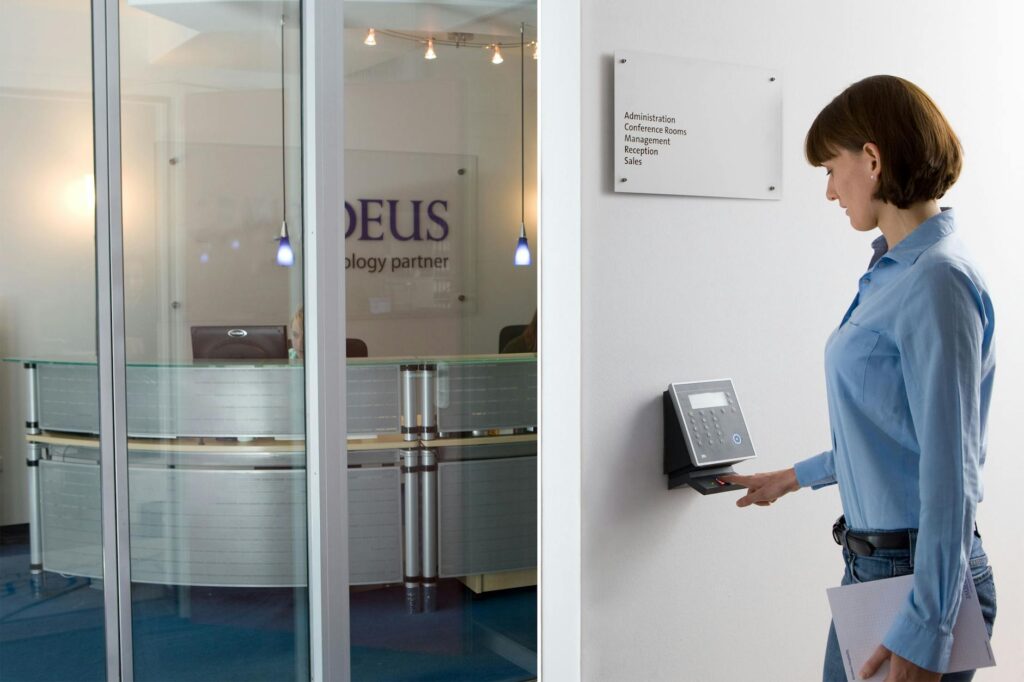
In recent years, biometric authentication methods have gained popularity as a secure and convenient way to verify an individual’s identity. From fingerprint scanners to facial recognition technology, biometrics are revolutionizing the way we approach employee ID verification.
One of the key advantages of biometric authentication is its ability to provide a highly accurate and reliable form of identification. Unlike traditional methods such as passwords or ID cards, biometric data is unique to each individual, making it much harder for unauthorized individuals to gain access.
Companies like Apple have already integrated biometric authentication into their products, with Face ID and Touch ID being used to unlock devices and make secure payments. This shows the growing acceptance and adoption of biometrics in everyday life.
As biometric technology continues to evolve, we can expect to see even more innovative applications in the realm of employee ID verification, making the process more secure and efficient than ever before.
The Role of Artificial Intelligence
Artificial intelligence (AI) plays a crucial role in the development of biometric authentication systems, allowing for more advanced and accurate identification processes. By leveraging AI algorithms, biometric systems can learn and adapt to individual characteristics over time, improving their accuracy and reliability.
For example, companies like Amazon are using AI-powered facial recognition technology to enhance security in their warehouses, allowing for seamless employee ID verification without the need for physical badges or passwords.
AI also enables biometric systems to detect and prevent fraudulent attempts at identity verification, such as spoofing or tampering with biometric data. This ensures that only authorized individuals are granted access to sensitive areas or information.
With the continued advancements in AI technology, we can expect biometric authentication to become even more sophisticated and secure, setting new standards for employee ID verification in the future.
Challenges and Considerations
While biometric authentication offers many benefits, there are also challenges and considerations that need to be addressed when implementing these systems for employee ID verification.
One of the main concerns is privacy and data security, as biometric data is highly sensitive and can be vulnerable to breaches if not properly protected. Companies must ensure that robust security measures are in place to safeguard biometric data and prevent unauthorized access.
Another challenge is the potential for bias in biometric systems, which can lead to inaccuracies and discrimination against certain individuals. It is crucial for companies to address these issues and ensure that their biometric systems are fair and inclusive for all employees.
Additionally, the cost of implementing biometric authentication systems can be a barrier for some organizations, especially smaller businesses. Companies need to weigh the benefits of biometric technology against the costs and consider whether it is a viable solution for their specific needs.
By addressing these challenges and considerations, companies can successfully harness the power of biometric authentication for employee ID verification, enhancing security and efficiency in the workplace.
Leveraging Biometric Data for Improved HR Decision-Making
The Benefits of Utilizing Biometric Data in HR
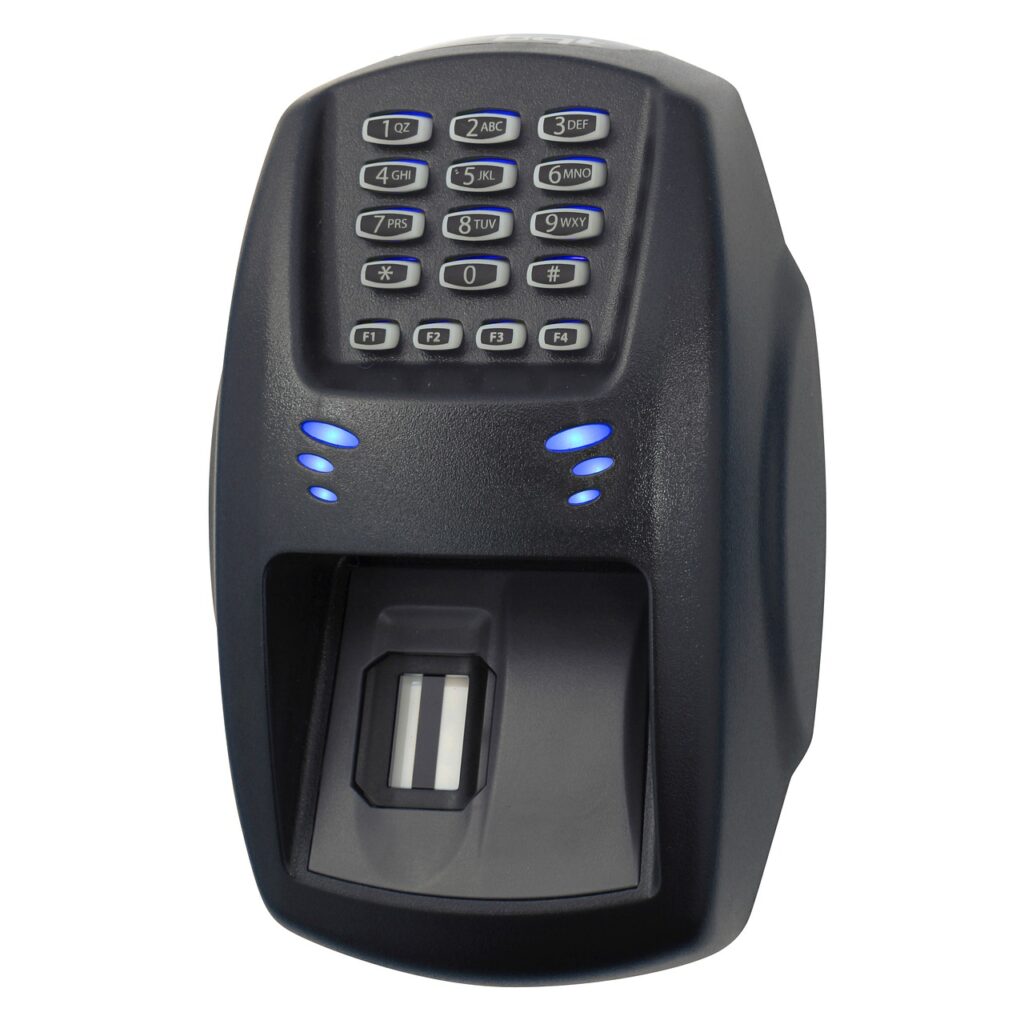
Biometric data offers a unique way to verify the identity of employees, leading to enhanced security measures within organizations. By using biometric identifiers such as fingerprints or facial recognition, HR departments can ensure that only authorized personnel have access to sensitive information and areas of the workplace. This not only helps in preventing unauthorized access but also minimizes the risk of identity theft and fraud.
Another benefit of leveraging biometric data in HR decision-making is the ability to accurately track employee attendance and work hours. With biometric time clocks, organizations can eliminate time theft and buddy punching, ensuring that employees are paid for the hours they actually work. This data can also be used to analyze employee productivity and identify areas where improvements can be made.
Furthermore, biometric data can assist HR departments in conducting thorough background checks during the hiring process. By comparing biometric identifiers to databases of known criminals or individuals with a history of misconduct, organizations can make more informed decisions when selecting new employees. This can help in reducing the risk of hiring individuals with a questionable past, ultimately leading to a safer work environment.
Overall, the use of biometric data in HR can streamline processes, improve security, and enhance decision-making within organizations. By incorporating biometric technologies into everyday operations, companies can stay ahead of the curve and ensure the safety and efficiency of their workforce.
Challenges and Ethical Considerations in Biometric Data Usage
While biometric data offers numerous benefits for HR decision-making, there are also challenges and ethical considerations that organizations must address when implementing these technologies. One of the main concerns is the potential for data breaches and unauthorized access to sensitive information. Biometric data, if not properly secured, can be vulnerable to hackers and cyber threats, putting both employees and the organization at risk.
Another challenge is the issue of consent and privacy rights. Employees may feel uncomfortable with the idea of their biometric data being collected and stored by their employer, raising questions about data ownership and usage. Organizations must establish clear policies and guidelines regarding the collection and storage of biometric data to ensure transparency and compliance with privacy regulations.
In addition, there is a risk of bias and discrimination when using biometric data for decision-making. Certain demographic groups may be disproportionately affected by biometric technologies, leading to potential discrimination in hiring or promotion practices. It is crucial for organizations to address these concerns and ensure that biometric data is used ethically and fairly in HR processes.
Despite these challenges, with proper safeguards and ethical considerations in place, biometric data can be a valuable tool for HR departments looking to enhance security and efficiency in their operations.
Case Study: How XYZ Company Improved HR Decision-Making with Biometrics
XYZ Company, a leading technology firm, implemented biometric authentication systems to enhance security and streamline HR processes within their organization. By using fingerprint scanners for access control and time tracking, the company was able to eliminate the need for traditional keycards and reduce instances of unauthorized access.
Through the use of biometric data, XYZ Company was also able to improve employee attendance tracking and performance evaluation. By accurately recording work hours and analyzing productivity metrics, the HR department was able to identify areas for improvement and implement targeted training programs for underperforming employees.
Furthermore, the use of biometric background checks during the hiring process helped XYZ Company in selecting qualified candidates with a clean record. By cross-referencing biometric identifiers with criminal databases, the company was able to minimize the risk of hiring individuals with a history of misconduct, ensuring a safer work environment for all employees.
Overall, the implementation of biometric technologies at XYZ Company led to increased security, efficiency, and transparency in HR decision-making processes. By leveraging biometric data, the company was able to stay ahead of the curve and maintain a competitive edge in the ever-evolving business landscape.
Best Practices for Integrating Biometrics into HR Security Protocols

Implement Multi-Factor Authentication
One of the key best practices for integrating biometrics into HR security protocols is to implement multi-factor authentication. This involves using multiple methods of verification to ensure the identity of users. By combining biometric data with other factors such as passwords or security tokens, organizations can significantly enhance the security of their systems.
For example, a company could require employees to scan their fingerprint and enter a unique PIN to access sensitive HR information. This dual-layered approach makes it much more difficult for unauthorized individuals to gain access, even if they somehow manage to bypass the biometric scan.
By implementing multi-factor authentication, organizations can greatly reduce the risk of data breaches and unauthorized access to sensitive information. This additional layer of security adds an extra level of protection that can help safeguard against potential threats.
Overall, multi-factor authentication is a highly effective way to enhance security when integrating biometrics into HR protocols. By combining biometric data with other verification methods, organizations can create a robust system that is much more difficult for attackers to compromise.
Regularly Update Biometric Templates
Another important best practice for integrating biometrics into HR security protocols is to regularly update biometric templates. Biometric data can change over time due to factors such as aging or injury, so it’s crucial to ensure that the templates used for verification are kept up to date.
For example, if an employee undergoes a significant change in their fingerprint pattern, the biometric template stored in the system may no longer accurately match their current biometric data. In such cases, it’s essential to update the template to reflect the changes and prevent any issues with authentication.
By regularly updating biometric templates, organizations can maintain the accuracy and effectiveness of their biometric security measures. This proactive approach helps to ensure that employees can continue to access HR systems securely and efficiently.
Overall, regularly updating biometric templates is a critical best practice that can help organizations maximize the benefits of biometric technology while minimizing potential risks and complications.
Establish Clear Policies and Procedures
When integrating biometrics into HR security protocols, it’s essential to establish clear policies and procedures to govern the use of biometric data. This includes outlining how biometric data will be collected, stored, and used, as well as defining who has access to this information and under what circumstances.
For example, organizations should clearly communicate to employees how their biometric data will be used and the security measures in place to protect this sensitive information. Employees should also be informed about their rights regarding the use of biometric data and how they can request changes or updates to their biometric templates.
By establishing clear policies and procedures, organizations can ensure that the use of biometrics in HR security protocols is transparent, ethical, and compliant with relevant regulations. This helps to build trust with employees and stakeholders and demonstrates a commitment to protecting the privacy and security of biometric data.
Overall, clear policies and procedures are essential for successfully integrating biometrics into HR security protocols and ensuring that the technology is used in a responsible and effective manner.
Conclusion
In conclusion, biometrics are revolutionizing the field of security and changing the game in ways we never thought possible. As technology continues to advance, we can expect biometric authentication to become more prevalent and sophisticated in securing our personal information and assets.
- voice authentication
- Biometric authentication provides a higher level of security compared to traditional methods such as passwords and PINs.
- Biometric data is unique to each individual, making it nearly impossible for unauthorized users to gain access.
- Biometric technology is becoming more affordable and accessible, making it easier for businesses and individuals to implement.
Overall, biometrics offer a promising future for security measures, providing a seamless and secure way to protect our valuable information. It’s clear that biometrics are here to stay and will continue to shape the way we safeguard our data in the years to come.
Frequently Asked Questions

What are biometrics and how are they used in security?
Biometrics are unique physical or behavioral characteristics that can be used to identify individuals. They are used in security to provide more secure access control and authentication, such as fingerprint scans, facial recognition, and iris scans.
Are biometrics more secure than traditional passwords?
Biometrics are generally considered to be more secure than traditional passwords because they are unique to each individual and cannot be easily duplicated or stolen. However, biometric data can still be compromised, so it is important to use additional security measures in conjunction with biometrics.
What are the potential privacy concerns associated with biometrics?
Some potential privacy concerns with biometrics include the risk of biometric data being stolen or misused, as well as the possibility of individuals being tracked or monitored without their consent. It is important for organizations to implement strong security measures to protect biometric data and ensure user consent.
How are biometrics being used in everyday life?
Biometrics are increasingly being used in everyday life for tasks such as unlocking smartphones, accessing bank accounts, and even boarding flights. They offer a convenient and secure way to verify identity without the need for passwords or physical keys.
What are some of the challenges facing the widespread adoption of biometrics?
Some challenges facing the widespread adoption of biometrics include concerns about data security and privacy, interoperability issues between different biometric systems, and the need for standardized regulations and guidelines to ensure consistent and ethical use of biometric technology.
Images sourced via Pexels.
iris scanning facial recognition authentication data breaches fingerprint recognition
Leave a Reply