


This article on Biometric technology for identification also touches on related topics like voice scanning, security, identification, iris scanning.
In a world where technology is advancing at a rapid pace, traditional methods of identification are becoming outdated. Biometrics, the measurement and analysis of unique physical or behavioral characteristics, is revolutionizing the way we authenticate our identity. From fingerprint and facial recognition to iris and voice scanning, biometric technology is reshaping the future of identification. Voice scanning is a foundational topic here. Identification is equally relevant.
As concerns about privacy and security continue to grow, biometrics offers a more secure and convenient solution for verifying identities. With the ability to accurately identify individuals based on their unique traits, biometric systems are being used in a wide range of applications, from unlocking smartphones to securing sensitive government facilities.
This article will delve into the world of biometrics, exploring the various technologies and applications that are shaping the future of identification. We will discuss the benefits and challenges of biometric authentication, as well as the ethical and legal implications of using biometric data for identification purposes. Join us as we uncover the potential of biometrics in revolutionizing the way we verify our identities in a digital world.
The Evolution of Biometric Technology in HR – security
Introduction
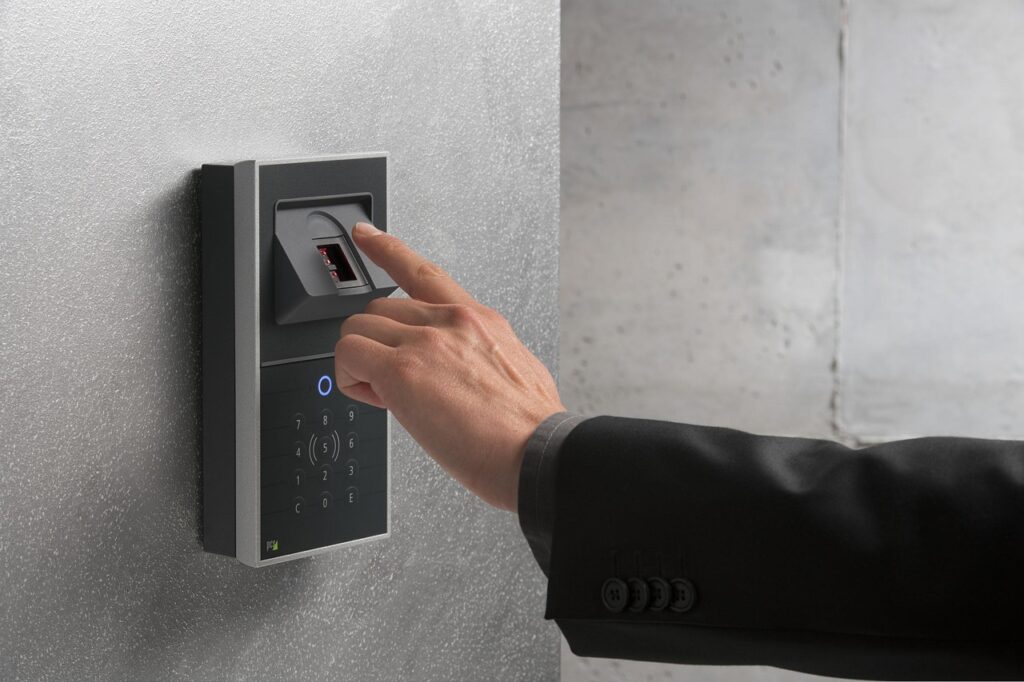
Biometric technology has revolutionized the way organizations approach identification and authentication in the HR sector. This section delves into the evolution of biometrics in HR, from its early beginnings to the cutting-edge solutions available today. By exploring the advancements in biometric technology, HR professionals can better understand how to leverage these tools to enhance security, efficiency, and user experience in their organizations.
Early Adoption of Biometrics in HR
In the early days of biometric technology in HR, fingerprint scanning was the primary method used for employee identification. Companies started implementing fingerprint scanners to track employee attendance, monitor access to secure areas, and prevent time theft. While fingerprint scanning was a significant step forward in enhancing security, it had its limitations. Issues such as false positives, hygiene concerns, and the need for physical contact hindered the widespread adoption of fingerprint scanners in HR settings.
Advancements in Biometric Technology
With technological advancements, biometric solutions have evolved to include a wide range of modalities beyond fingerprint scanning. Facial recognition technology has gained popularity in HR applications for its non-intrusive nature and high accuracy. Companies like Microsoft have developed facial recognition tools that can detect emotions, age, and gender, enabling HR departments to analyze employee engagement and sentiment. Voice recognition technology has also made its way into HR systems, allowing for secure authentication through unique vocal patterns.
Integration of Biometrics with HR Systems
One of the key trends in the evolution of biometric technology in HR is its seamless integration with existing HR systems. Biometric solutions are now being designed to work in tandem with time and attendance software, access control systems, and employee management platforms. This integration streamlines the authentication process for employees, eliminates the need for manual data entry, and enhances overall operational efficiency. Companies like ADP and Kronos have integrated biometric capabilities into their HR software suites, providing a comprehensive solution for workforce management.
Conclusion
As biometric technology continues to advance, the future of identification in HR looks promising. The evolution of biometric solutions has paved the way for enhanced security, improved accuracy, and a better user experience in HR processes. By staying abreast of the latest developments in biometrics, HR professionals can leverage these tools to optimize their workforce management strategies and drive organizational success in the digital age. Embracing biometric technology in HR is not just about enhancing security—it’s about transforming the way we approach employee identification and authentication.?
How Biometrics are Revolutionizing Employee Time and Attendance Tracking

The Rise of Biometric Time Clocks
In recent years, biometric time clocks have become increasingly popular in the workplace for tracking employee time and attendance. By using unique physical characteristics such as fingerprints, facial recognition, or iris scans, these devices offer a more secure and accurate way to monitor employee hours.
One example of a company utilizing biometric time clocks is Amazon. The tech giant has implemented fingerprint scanners in some of its warehouses to ensure employees are accurately clocking in and out of their shifts. This not only prevents buddy punching but also streamlines the payroll process.
Biometric time clocks have also been praised for their convenience. Employees no longer need to remember to bring their ID cards or key fobs to clock in, as their biological data is all they need to access the system.
Overall, the rise of biometric time clocks signals a shift towards more efficient and reliable employee time and attendance tracking systems in the future.
The Impact on Payroll Accuracy
One of the key benefits of biometric time and attendance tracking is its impact on payroll accuracy. Traditional time-tracking methods, such as manual entry or punch cards, are prone to errors and can result in overpayments or underpayments to employees.
With biometric systems in place, companies can ensure that employees are accurately compensated for their work hours. This not only boosts employee morale but also saves the company money in the long run by eliminating costly payroll errors.
For example, Walmart implemented biometric time clocks in its stores to reduce payroll errors and improve overall efficiency. By using fingerprint scans, the company was able to significantly decrease instances of buddy punching and ensure accurate payroll processing.
As more companies adopt biometric time and attendance tracking systems, we can expect to see a significant improvement in payroll accuracy across industries.
Enhancing Security Measures
Biometric time and attendance tracking systems also play a crucial role in enhancing security measures in the workplace. By using unique biological data for identification, these systems offer a higher level of security compared to traditional methods.
For example, banks and financial institutions have started implementing biometric time clocks to prevent unauthorized access to sensitive information. Facial recognition software and iris scans are being used to ensure that only authorized personnel can access secure areas.
In addition to preventing security breaches, biometric systems also help companies comply with regulations such as GDPR and HIPAA. By collecting and storing biometric data securely, companies can ensure that employee privacy is protected and regulatory requirements are met.
Overall, the use of biometric time and attendance tracking systems not only improves security measures in the workplace but also ensures compliance with data protection laws.
Enhancing Workplace Security with Biometric Identification Systems

Improved Access Control
Biometric identification systems have revolutionized access control in workplaces by replacing traditional methods such as keycards or passwords. By using unique physical characteristics like fingerprints or facial recognition, these systems ensure that only authorized personnel can enter restricted areas. This not only enhances security but also eliminates the need for employees to remember complex passwords or carry access cards.
For example, companies like Amazon have implemented biometric systems in their warehouses to secure sensitive areas and prevent unauthorized access to valuable inventory. Employees are required to scan their fingerprints or use facial recognition technology to gain entry, minimizing the risk of theft or security breaches.
In addition, biometric access control systems can also track employees’ entry and exit times, providing valuable data for attendance monitoring and payroll management. This automation not only saves time but also reduces human error in tracking employees’ work hours.
Overall, the use of biometric identification systems for access control in workplaces offers a more secure and efficient solution compared to traditional methods, making it an indispensable tool for enhancing workplace security.
Enhanced Data Protection
In today’s digital age, data protection is a top priority for organizations to safeguard sensitive information from cyber threats. Biometric identification systems play a crucial role in enhancing data protection by adding an extra layer of security to access sensitive data or systems. By using biometric authentication, organizations can ensure that only authorized individuals can access confidential information, reducing the risk of data breaches.
For instance, financial institutions like banks use biometric systems to authenticate customers’ identities when accessing online banking services or making transactions. By using fingerprint or iris recognition, banks can verify the identity of customers more accurately, preventing unauthorized access to their accounts.
Moreover, biometric data is unique to each individual and cannot be easily replicated, making it a secure method for verifying identities. This ensures that sensitive data remains protected from unauthorized access or identity theft, giving organizations peace of mind when it comes to data security.
Overall, the implementation of biometric identification systems for data protection is essential for organizations to safeguard their sensitive information and prevent data breaches in today’s digital landscape.
Efficient Time and Attendance Tracking
Biometric identification systems have revolutionized time and attendance tracking in workplaces by providing a more efficient and accurate method for monitoring employees’ work hours. By using biometric authentication, organizations can automate the process of tracking employees’ entry and exit times, eliminating the need for manual timekeeping methods.
For example, companies like Google have implemented biometric systems to track employees’ attendance in their offices. Employees are required to scan their fingerprints or use facial recognition technology to log their entry and exit times, allowing HR departments to accurately calculate work hours and payroll.
Furthermore, biometric time and attendance tracking systems can also prevent time theft by ensuring that employees cannot clock in or out on behalf of their colleagues. This promotes accountability and transparency in the workplace, improving overall productivity and efficiency.
In conclusion, biometric identification systems offer a more efficient and accurate solution for time and attendance tracking in workplaces, streamlining the process and reducing the risk of human error in manual timekeeping methods.
The Impact of Biometrics on Recruitment and Onboarding Processes
Enhanced Security Measures
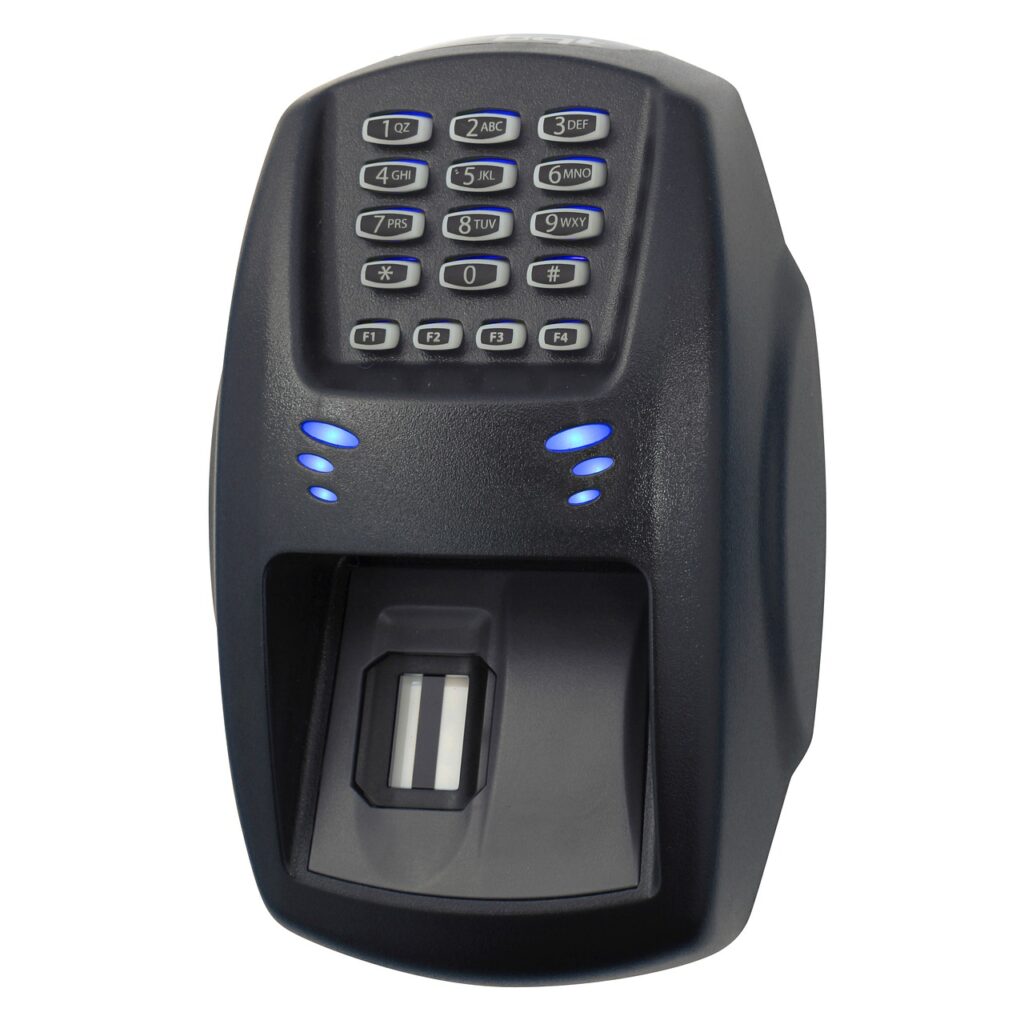
One of the key benefits of incorporating biometrics into recruitment and onboarding processes is the enhanced security it provides. By using unique physical characteristics such as fingerprints, facial recognition, or iris scans, companies can ensure that only authorized individuals have access to sensitive information and resources.
For example, companies like Apple have implemented biometric authentication in their devices, such as Face ID and Touch ID, to enhance security and provide a seamless user experience. This technology has significantly reduced the risk of unauthorized access and identity theft.
In the recruitment process, biometric authentication can be used to verify the identity of job candidates, preventing fraudulent activities such as impersonation or falsification of credentials. This helps organizations maintain the integrity of their hiring processes and ensure that they are selecting the right candidates for the job.
Overall, the use of biometrics in recruitment and onboarding processes helps companies mitigate security risks and protect sensitive information, ultimately improving the overall security posture of the organization.
Streamlined Onboarding Experience
Biometrics can also streamline the onboarding experience for new employees by simplifying the identification and verification process. Instead of relying on cumbersome paperwork and manual verification processes, companies can use biometric data to quickly and accurately verify the identity of new hires.
For instance, companies like Amazon have implemented biometric time clocks for their warehouse employees to streamline the clock-in and clock-out process. This not only saves time for employees but also ensures accurate tracking of work hours, reducing errors and improving efficiency.
By incorporating biometric technology into the onboarding process, companies can create a seamless and efficient experience for new hires, allowing them to focus on their roles and responsibilities rather than dealing with administrative tasks.
Overall, the use of biometrics in onboarding processes can help companies improve productivity, reduce administrative overhead, and enhance the overall employee experience.
Improved Candidate Experience
Biometrics can also have a positive impact on the candidate experience during the recruitment process. By using biometric authentication methods, companies can offer a more secure and convenient application process for job seekers, reducing the need for passwords and other traditional forms of identification.
For example, companies like HireVue use facial recognition technology to conduct video interviews, allowing candidates to showcase their skills and abilities in a more natural and engaging way. This not only enhances the candidate experience but also helps companies make more informed hiring decisions based on the candidate’s performance.
Additionally, biometric authentication can help reduce bias in the recruitment process by focusing on objective criteria such as skills and qualifications rather than subjective factors. This can lead to a more diverse and inclusive workforce, ultimately benefiting the organization as a whole.
Overall, the use of biometrics in recruitment processes can help companies attract top talent, improve the candidate experience, and make more data-driven hiring decisions.
Addressing Privacy Concerns in Biometric HR Systems

Implementing Strong Data Encryption
One of the key ways to address privacy concerns in biometric HR systems is by implementing strong data encryption. By encrypting biometric data both during transmission and storage, organizations can ensure that sensitive information remains secure and protected from unauthorized access. Advanced encryption algorithms such as AES (Advanced Encryption Standard) can be used to safeguard biometric data, making it much more difficult for hackers to intercept or tamper with the information.
For example, companies like Apple have implemented end-to-end encryption for biometric data stored on their devices, such as fingerprints and facial recognition data. This ensures that even if a device is compromised, the biometric information remains encrypted and inaccessible to unauthorized parties.
By adopting strong data encryption practices, organizations can build trust with employees and customers by demonstrating their commitment to protecting privacy and maintaining data security in biometric HR systems.
Furthermore, compliance with data protection regulations such as GDPR (General Data Protection Regulation) can also be achieved through the implementation of robust encryption measures in biometric HR systems.
Obtaining Informed Consent from Users
Another important aspect of addressing privacy concerns in biometric HR systems is obtaining informed consent from users before collecting and processing their biometric data. Informed consent involves providing individuals with clear and transparent information about how their biometric data will be used, stored, and protected, as well as obtaining their explicit permission to do so.
Organizations can achieve this by developing detailed privacy policies and consent forms that clearly outline the purpose of collecting biometric data, the security measures in place to protect it, and the rights of individuals regarding the use of their data. Users should have the opportunity to opt-in or opt-out of biometric data collection, and their consent should be obtained in a voluntary and unambiguous manner.
For instance, companies like Microsoft have implemented a privacy dashboard for users to manage their biometric data preferences, providing them with control over how their information is used in Windows Hello facial recognition technology.
By obtaining informed consent from users, organizations can ensure transparency and accountability in the use of biometric data, fostering trust and confidence in the security and privacy of biometric HR systems.
Regular Security Audits and Vulnerability Assessments
To address privacy concerns in biometric HR systems, organizations should conduct regular security audits and vulnerability assessments to identify and rectify any potential weaknesses or threats to data security. By proactively monitoring and evaluating the security of biometric systems, organizations can detect and mitigate vulnerabilities before they are exploited by malicious actors.
Security audits involve comprehensive reviews of the biometric system’s infrastructure, protocols, and practices to assess compliance with security standards and identify areas for improvement. Vulnerability assessments, on the other hand, involve testing the system for weaknesses and potential entry points that could be exploited by hackers or unauthorized users.
For example, government agencies like the FBI conduct regular security audits and vulnerability assessments of their biometric databases to ensure the integrity and confidentiality of sensitive biometric information. This helps to prevent data breaches and unauthorized access to biometric data.
By conducting regular security audits and vulnerability assessments, organizations can demonstrate their commitment to data security and privacy in biometric HR systems, reassuring users and stakeholders of the reliability and integrity of the system.
Leveraging Biometrics for Employee Wellness Programs

Improved Employee Engagement
Biometrics can play a significant role in employee wellness programs by providing personalized insights and feedback to employees. For example, wearable biometric devices like fitness trackers can monitor employees’ physical activity levels, heart rate, and sleep patterns. By using this data, employers can tailor wellness programs to individual needs and preferences, increasing engagement and motivation.
Moreover, biometric data can be used to gamify wellness programs, turning healthy behaviors into a fun and competitive experience. For instance, employees can earn points or rewards for hitting fitness goals or participating in wellness challenges. This gamification element not only encourages participation but also fosters a sense of community and camaraderie among employees.
In addition, biometrics can enable employers to track the effectiveness of wellness programs in real-time. By analyzing biometric data, employers can identify trends and patterns, allowing them to make data-driven decisions to improve the program’s outcomes. This continuous feedback loop helps to keep employees engaged and motivated to achieve their health and wellness goals.
Lastly, biometrics can help create a culture of accountability and transparency within the organization. Employees can see their progress and share achievements with colleagues, fostering a sense of pride and accomplishment. By leveraging biometrics in employee wellness programs, organizations can create a more holistic approach to employee well-being.
Enhanced Data Security and Privacy
One of the main concerns with biometric data is security and privacy. However, when used in employee wellness programs, biometrics can actually enhance data security and privacy. For example, biometric authentication can provide a more secure way for employees to access wellness program platforms and sensitive health information.
Furthermore, biometric data is unique to each individual, making it harder for unauthorized access or identity theft. Employers can also implement strict security measures, such as encryption and two-factor authentication, to protect biometric data from cyber threats.
Additionally, employees have more control over their biometric data in wellness programs. They can choose what data to share, who can access it, and for what purposes. This transparency and control empower employees to make informed decisions about their privacy and security.
Overall, leveraging biometrics for employee wellness programs can help organizations strike a balance between data security and employee well-being. By implementing robust security measures and giving employees control over their data, organizations can build trust and confidence in their wellness programs.
Personalized Health and Wellness Recommendations
Biometric data can provide valuable insights into employees’ health and wellness needs, allowing employers to offer personalized recommendations and interventions. For example, based on biometric data like heart rate variability and stress levels, employers can suggest stress management techniques or mindfulness exercises to improve employee well-being.
Moreover, biometric devices can track employees’ nutrition and hydration levels, helping employers to recommend personalized diet plans and hydration strategies. By analyzing biometric data, employers can identify areas for improvement and tailor wellness programs to meet individual health goals.
In addition, biometric data can be used to predict and prevent health issues before they become serious. For instance, by monitoring changes in biometric markers like blood pressure or cholesterol levels, employers can intervene early and provide preventive care to employees at risk of developing chronic conditions.
Overall, leveraging biometrics for employee wellness programs can lead to more targeted and effective interventions, ultimately improving employees’ health and well-being. By offering personalized recommendations and preventive care, organizations can support employees in achieving their health goals and living healthier lifestyles.
Implementing Biometric Authentication for Secure HR Data Access
Benefits of Biometric Authentication
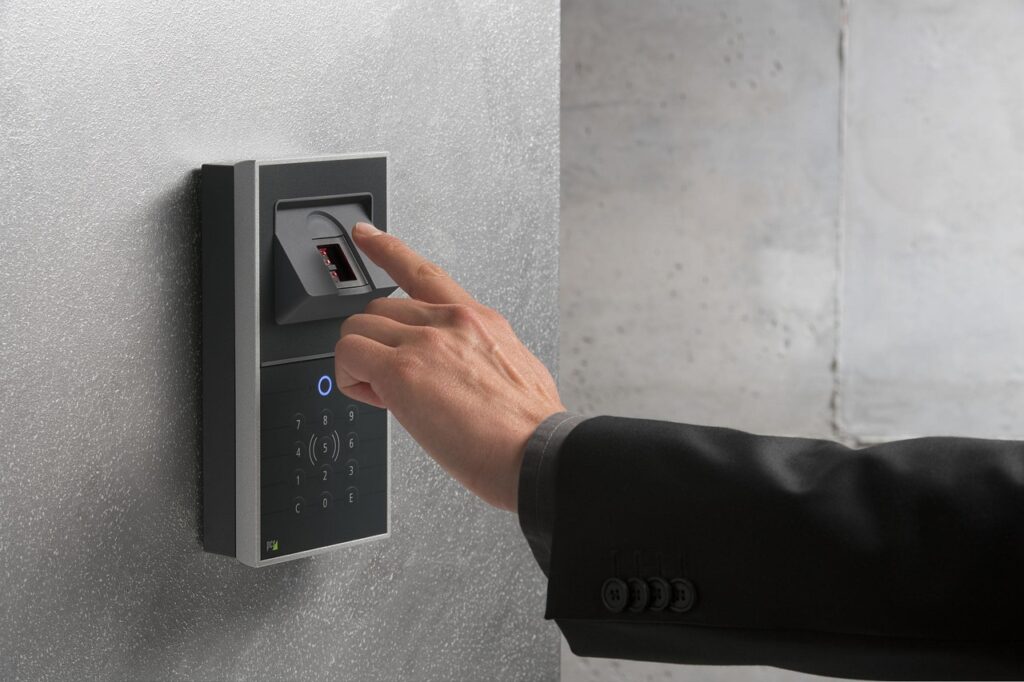
Biometric authentication offers a high level of security for HR data access by using unique physical characteristics of individuals, such as fingerprints, facial recognition, or iris scans. These biometric identifiers are nearly impossible to replicate, providing a more secure authentication method than traditional passwords or PINs.
Furthermore, biometric authentication eliminates the need for employees to remember complex passwords, reducing the risk of data breaches due to weak passwords or password sharing. This convenience not only enhances security but also improves user experience, leading to higher employee satisfaction and productivity.
With the increasing threat of cyberattacks and data breaches, organizations are turning to biometric authentication to protect sensitive HR data. By implementing biometric authentication, organizations can significantly reduce the risk of unauthorized access and data theft, safeguarding employee information and maintaining compliance with data protection regulations.
Overall, the benefits of biometric authentication for secure HR data access are clear: enhanced security, improved user experience, and compliance with data protection regulations. By leveraging biometric technology, organizations can ensure the confidentiality and integrity of their HR data.
Challenges of Implementing Biometric Authentication
While biometric authentication offers many benefits, there are also challenges associated with its implementation. One key challenge is the cost of deploying biometric systems, which can be substantial for organizations, especially for large-scale implementations.
Another challenge is the need for specialized hardware and software to support biometric authentication, which may require significant investment in infrastructure and training. Additionally, there are concerns about the accuracy and reliability of biometric systems, as false positives or false negatives can impact user experience and security.
Privacy and data protection concerns are also important considerations when implementing biometric authentication. Organizations must ensure that biometric data is securely stored and processed in compliance with data protection regulations, such as GDPR. Transparency about how biometric data is used and shared is crucial to building trust with employees.
Despite these challenges, the benefits of biometric authentication for secure HR data access outweigh the drawbacks. By addressing these challenges proactively and working with trusted vendors, organizations can successfully implement biometric authentication to enhance security and protect sensitive HR data.
Best Practices for Implementing Biometric Authentication
When implementing biometric authentication for secure HR data access, organizations should follow best practices to maximize security and usability. One key best practice is to use multiple biometric identifiers for authentication, such as combining fingerprint and facial recognition, to increase security and reduce the risk of false positives.
It is also essential to encrypt biometric data both in transit and at rest to prevent unauthorized access and protect user privacy. Organizations should implement strong access controls and authentication protocols to ensure that only authorized individuals can access HR data using biometric authentication.
Regularly updating biometric systems and conducting security audits are critical to identifying and addressing vulnerabilities before they can be exploited by malicious actors. Employee training and awareness programs can also help prevent common security risks, such as social engineering attacks targeting biometric authentication.
By following these best practices and staying informed about the latest developments in biometric technology, organizations can successfully implement biometric authentication for secure HR data access and protect sensitive employee information from unauthorized access and data breaches.
Conclusion
In conclusion, the world of biometrics is rapidly evolving and has the potential to revolutionize the way we identify individuals. As technology advances, biometric systems are becoming more accurate, secure, and accessible, making them an increasingly popular choice for a wide range of applications.
- iris scanning
- Biometric identification offers a high level of security, as it relies on unique physical characteristics that cannot easily be replicated or stolen.
- Biometric systems are user-friendly and convenient, eliminating the need for passwords or physical tokens.
- Biometrics can be used in a variety of industries, from law enforcement and border control to healthcare and finance, improving efficiency and security.
Overall, the future of identification lies in the world of biometrics. With ongoing research and development, biometric technology will continue to advance, offering new possibilities for enhanced security and convenience in our increasingly digital world.
Frequently Asked Questions

What is biometrics?
Biometrics refers to the measurement and analysis of unique physical or behavioral characteristics of individuals. These characteristics are used for identification and authentication purposes.
How is biometric data collected?
Biometric data is collected through various methods such as fingerprint scanning, iris recognition, facial recognition, voice recognition, and palm vein scanning. These methods capture unique characteristics that are then stored and used for identification.
Is biometric data secure?
Biometric data is considered to be very secure as it is unique to each individual and difficult to replicate. However, like any other form of data, biometric data can be vulnerable to hacking or theft if not properly protected.
How is biometric data used in everyday life?
Biometric data is increasingly being used in various industries such as security, banking, healthcare, and travel. For example, smartphones now use fingerprint or facial recognition for unlocking the device, and airports use iris scanning for security checks.
What are the potential benefits of biometrics?
Biometrics can offer increased security, convenience, and efficiency in various applications. It can help prevent identity theft, streamline authentication processes, and improve overall user experience in different sectors.
Images sourced via Pexels.
Leave a Reply